As the plant-based food market grows, products such as plant-based burgers, nuggets, patties, and other meat alternatives are attracting increasing attention from food manufacturers.
Developing plant-based meat products with a desirable mouthfeel and consistent quality is no simple task. Compared to traditional meat products, plant-based protein ingredients behave differently in terms of water absorption, structural formation, and textural characteristics upon heating. Such products may suffer from issues like a dry mouthfeel, a loose structure, poor cohesiveness, or undesirable textural changes during cooking.
Consequently, improving the texture, moisture retention, and processing stability of these products has become a key challenge in the formulation of plant-based meat alternatives.
Modified starch is a category of food ingredients with diverse functional properties; depending on the specific type and processing conditions, it can be used to modulate the texture, binding characteristics, and moisture retention of plant-based meat products.
Improving Product Texture and Internal Structure
Texture is a primary determinant of the eating experience for plant-based meat products; items such as plant-based patties and nuggets require specific levels of firmness, elasticity, and structural integrity.
Modified starches contribute to texture development through thickening and structural modulation. Upon heating, they absorb water and expand, refining the product's texture—ensuring well-formed, substantial patties, as well as the desired internal mouthfeel for nuggets and fillings.
The final outcome depends on factors such as the type of starch used, the dosage, the protein ingredients, and the processing methods; therefore, application testing is necessary for verification.
Helping to Retain Moisture and Enhance Juiciness
Moisture retention is a critical factor in the development of plant-based meat. Processes such as cooking and freeze-thaw cycles can easily lead to moisture loss, resulting in a dry, tough product.
Modified starches function by absorbing water and increasing viscosity, which locks moisture within the food matrix and imparts a juicy, moist texture. They are well-suited for plant-based meat alternatives like patties and meatballs; the specific type of starch should be selected based on target moisture levels, thermal processing methods, and storage conditions.
Different types of modified starches vary in their heat resistance, freeze-thaw stability, and moisture-retention efficacy—therefore, they should not be considered interchangeable.
Enhancing Processing Adaptability and Product Consistency
The industrial production of plant-based meat products involves multiple stages—mixing, forming, heating, cooling, and freezing—requiring formulations that balance sensory attributes with process compatibility.
Appropriate modified starches can be used to adjust the viscosity of the mixture, improving formability and ensuring structural stability across production batches. For frozen products, particular attention must be paid to changes in moisture content and texture during freeze-thaw cycles; plant-based protein patties serve as a primary model for such evaluations.
Selecting modified starches tailored to specific processing requirements allows for the precise optimization of formulations, helping to avoid the inaccuracies that can arise when relying solely on the parameters of individual raw materials.
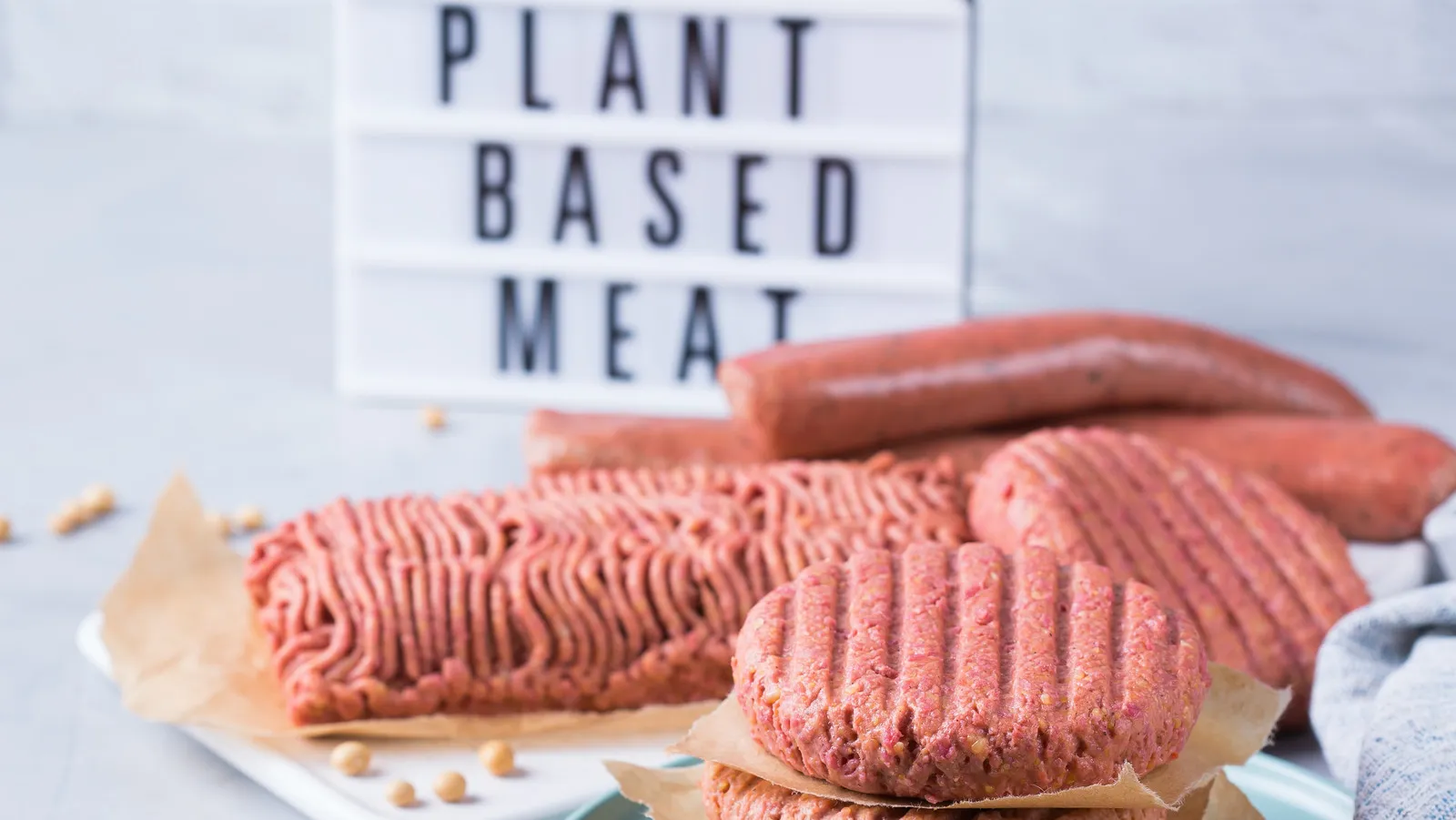
How to Select the Right Modified Starch for Plant-Based Meat Products?
Not all modified starches are suitable for every type of plant-based food. Given that different products vary in terms of protein sources, moisture content, fat ratios, and processing conditions, the following factors should be prioritized when selecting ingredients:
Target Texture: Does the product require improved formability, binding, a sense of fullness, or a specific degree of softness?
Processing Conditions: Will the product undergo high-temperature heating, freezing, or thawing? What are the functional requirements for the starch during these processing stages?
Moisture Management: Is the goal to improve moisture retention after heating, or to prevent textural changes during storage?
Formulation Compatibility: Can the modified starch integrate effectively with the plant proteins, fats, and other ingredients to create the desired system?
Cost and Production Efficiency: How can one balance the inclusion level, ease of processing, and overall formulation cost while still achieving the target product quality?
Through targeted formulation testing, manufacturers can more accurately evaluate the suitability of various modified starches and select solutions that align with their product development goals.
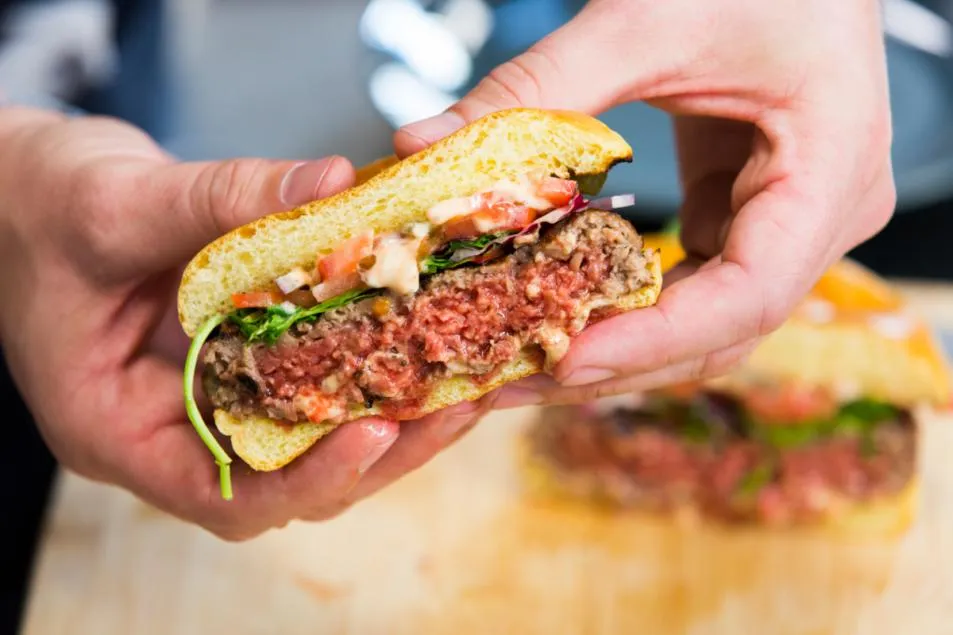
Nourisi Modified Starch Solutions for Plant-Based Foods
Optimizing the texture of plant-based meat products requires a careful balance of raw materials, processing techniques, and final product specifications—with modified starch serving as a key ingredient in the formulation.
Nourisi’s food-grade modified starches are designed to support the development of a wide range of plant-based meat products, including burger patties and nuggets. Selecting the right starch involves evaluating your target texture, water-retention requirements, and specific processing conditions.
Please contact Nourisi and share details regarding your product type, manufacturing process, and desired texture—we will help you identify the ideal modified starch for your needs.
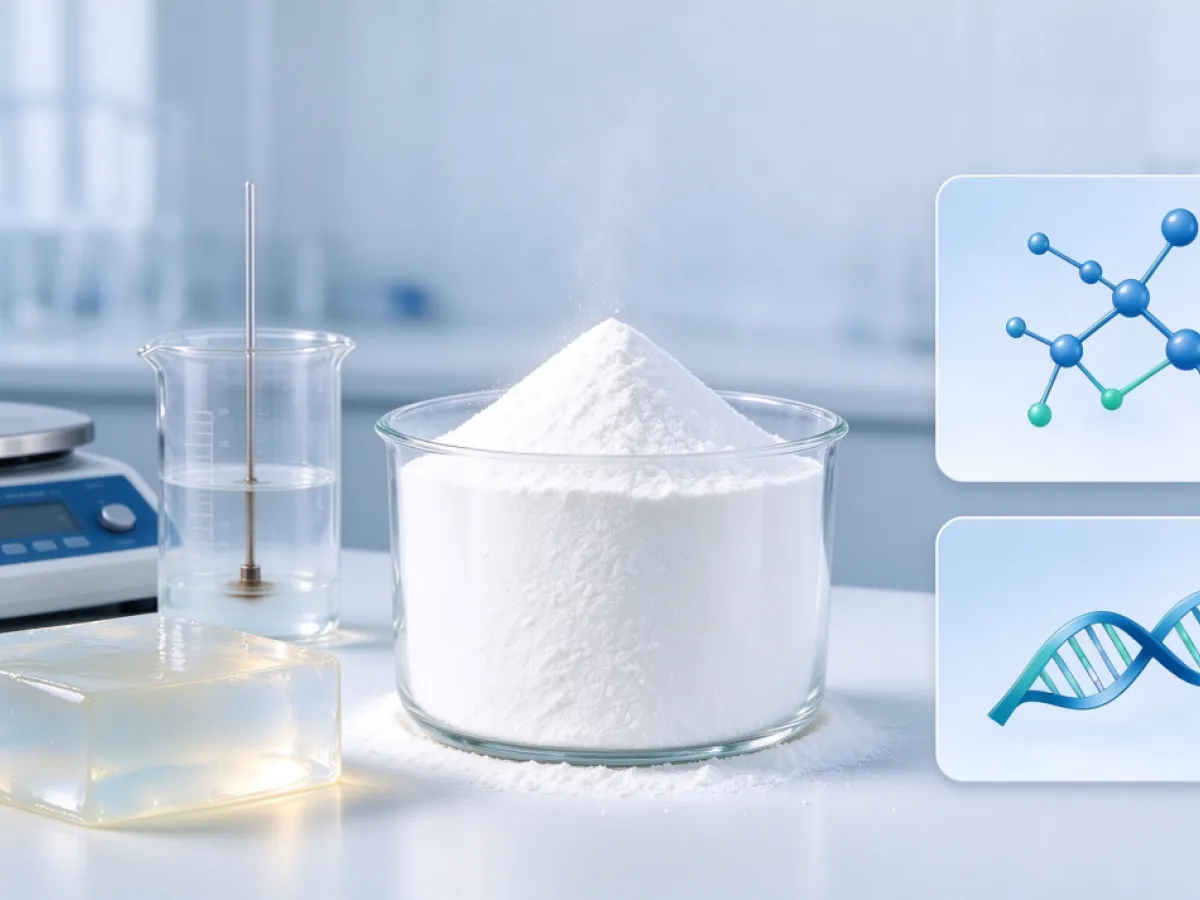
Curdlan gum is a β -1, 3-glucan with a triple helix structure that can specifically bind to the Dectin-1 receptor on immune cells, activate macrophages and dendritic cells, and pro
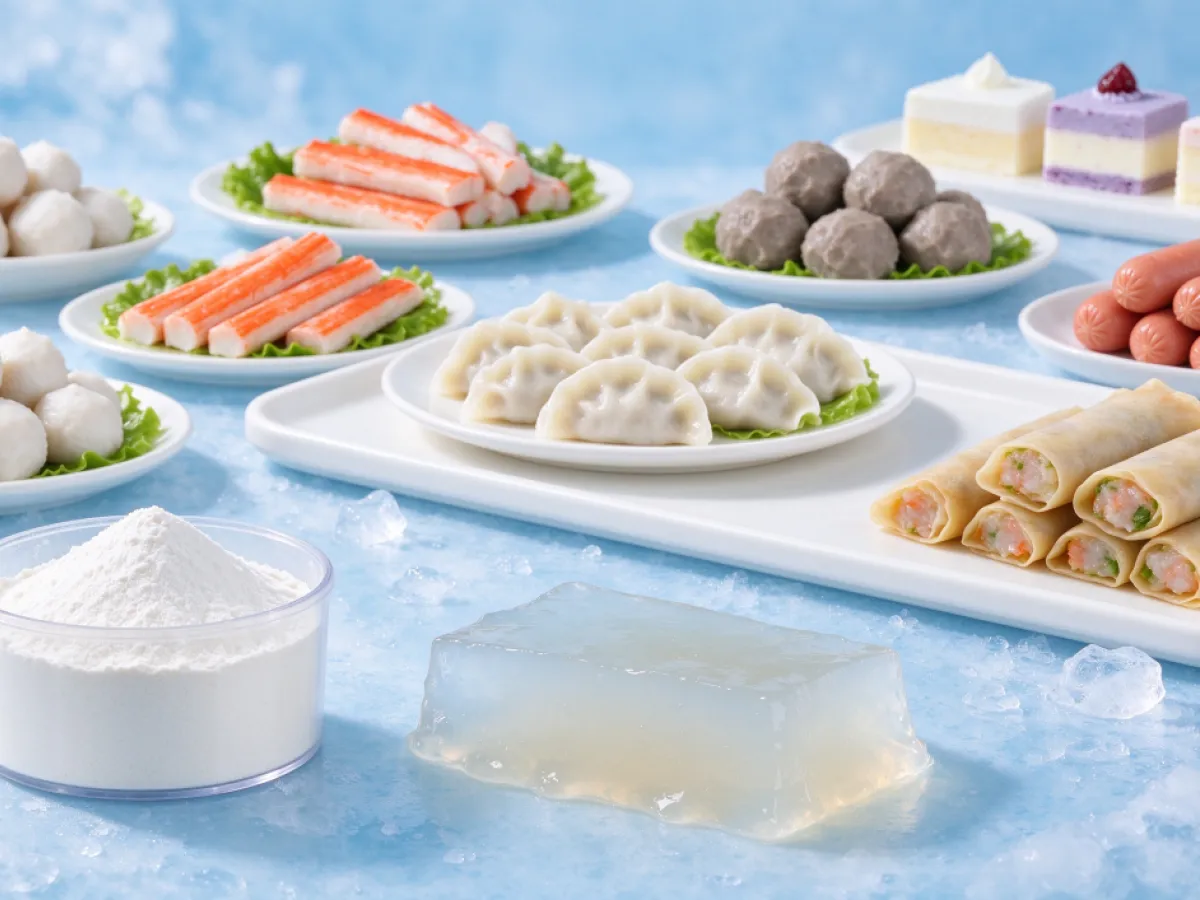
Excellent freeze-thaw stability Its formed gel structure resists damage during repeated freezing, storage and thawing. It effectively reduces water separation (syneresis), prevents
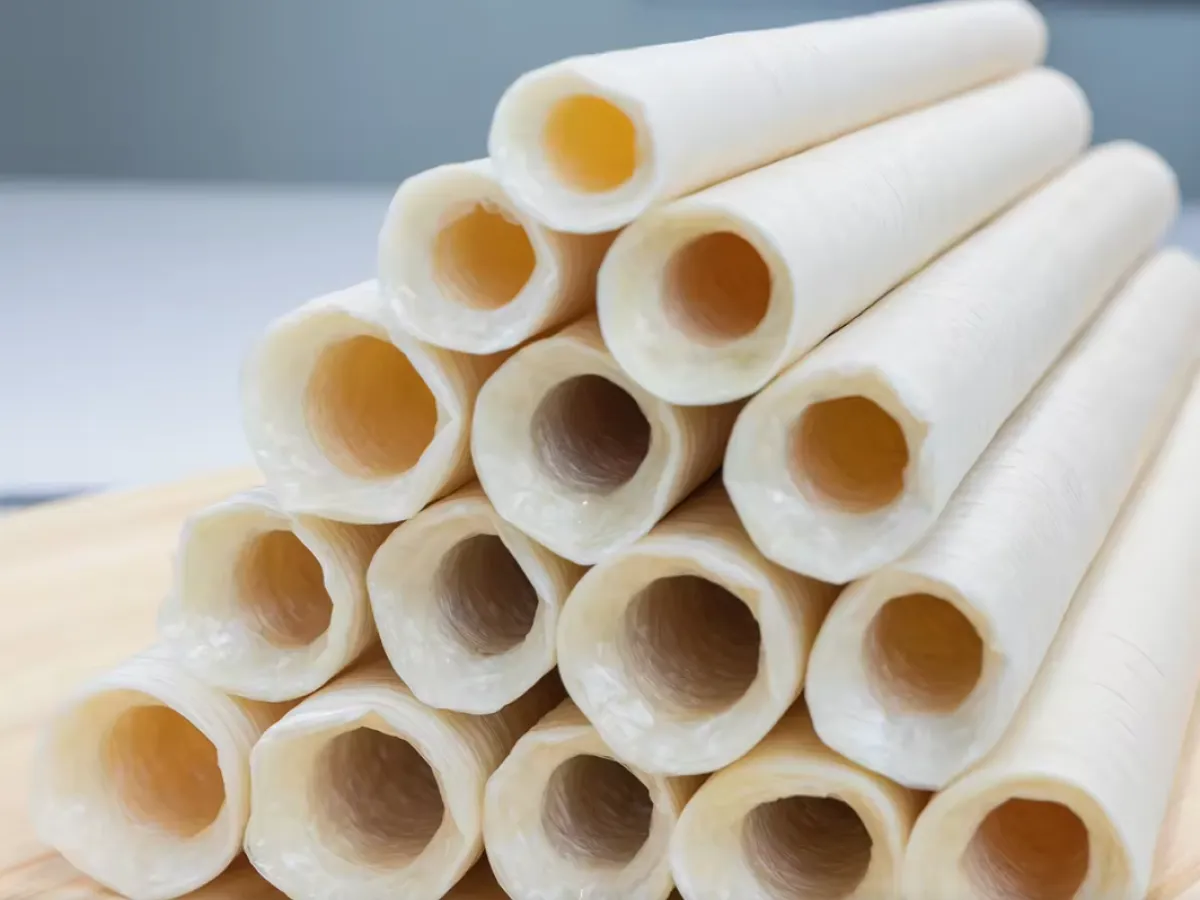
Collagen casings are the only manufactured casing that can be either edible or non-edible depending on formulation and intended end use. This dual nature is both an advantage and a

Porridges and soups are typical multi-phase systems: water, starches, proteins, and solid particles coexist. During heating, filling, sterilization, and storage, particles tend to
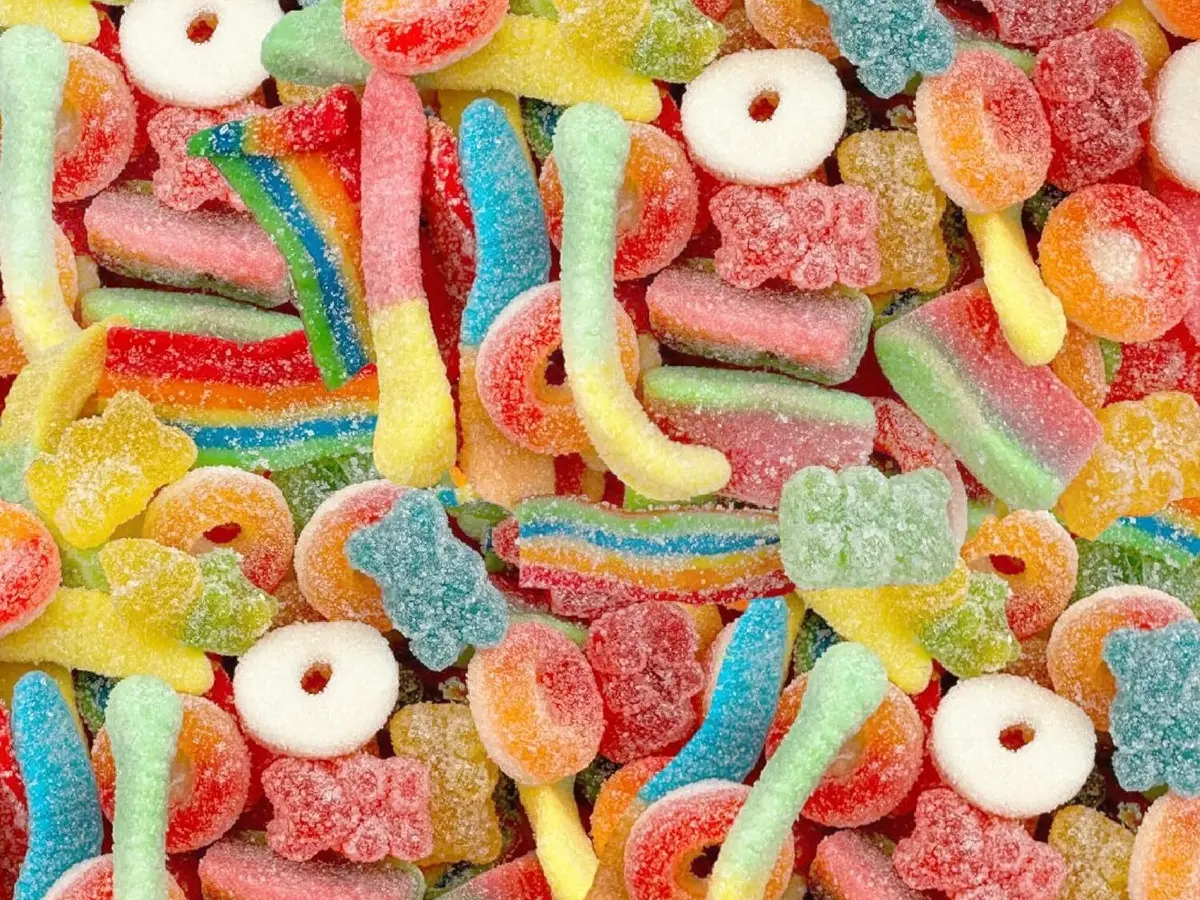
The most core role of gelatin in gummies is as a gelling agent, building the entire skeletal structure of the gummy. Gelatin is derived from the partial hydrolysis of animal collag
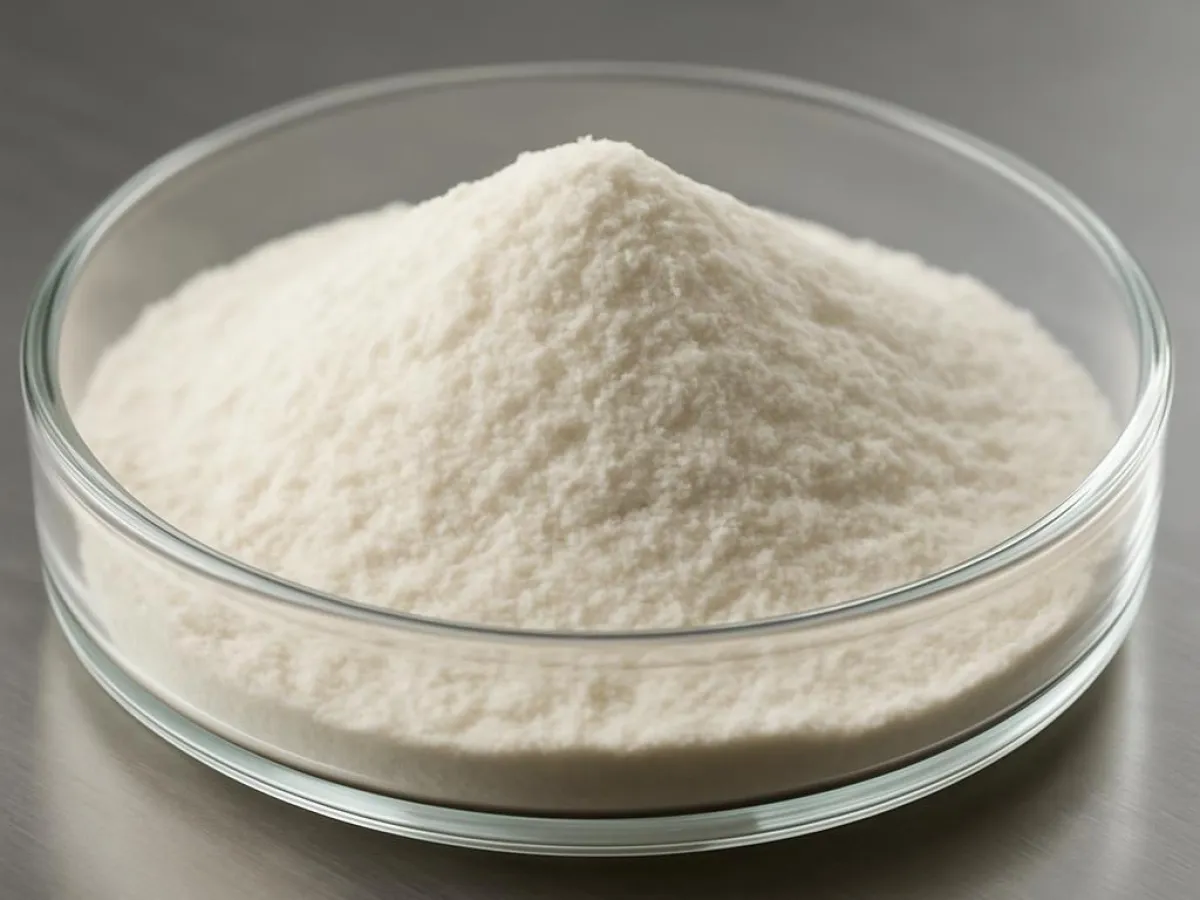
Plant-based meat alternatives have evolved significantly in terms of protein sources, flavor systems, and processing technologies. Yet replicating the juiciness, tenderness, and mo
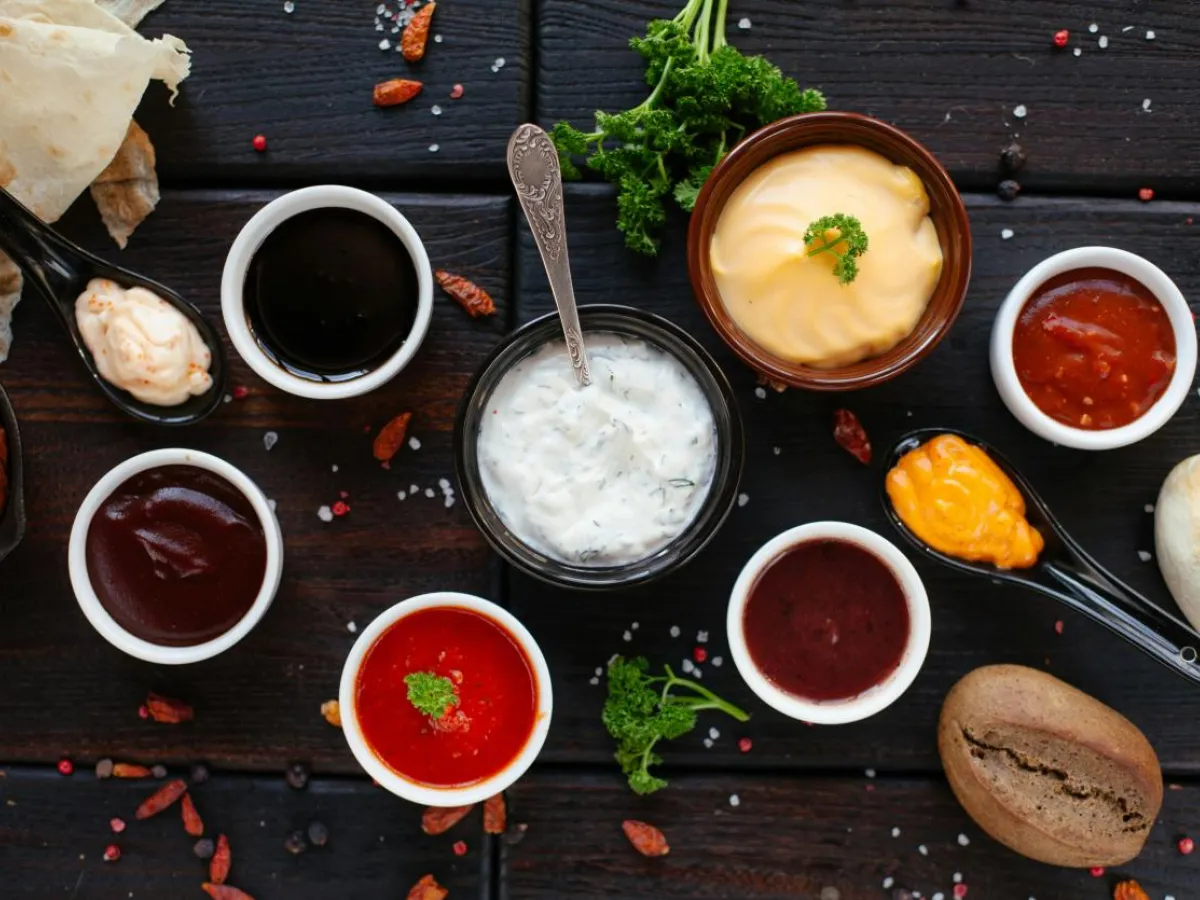
Pregelatinized starch solves this problem. This physically modified starch has already been cooked and dried during production, giving it the ability to absorb water and swell at a
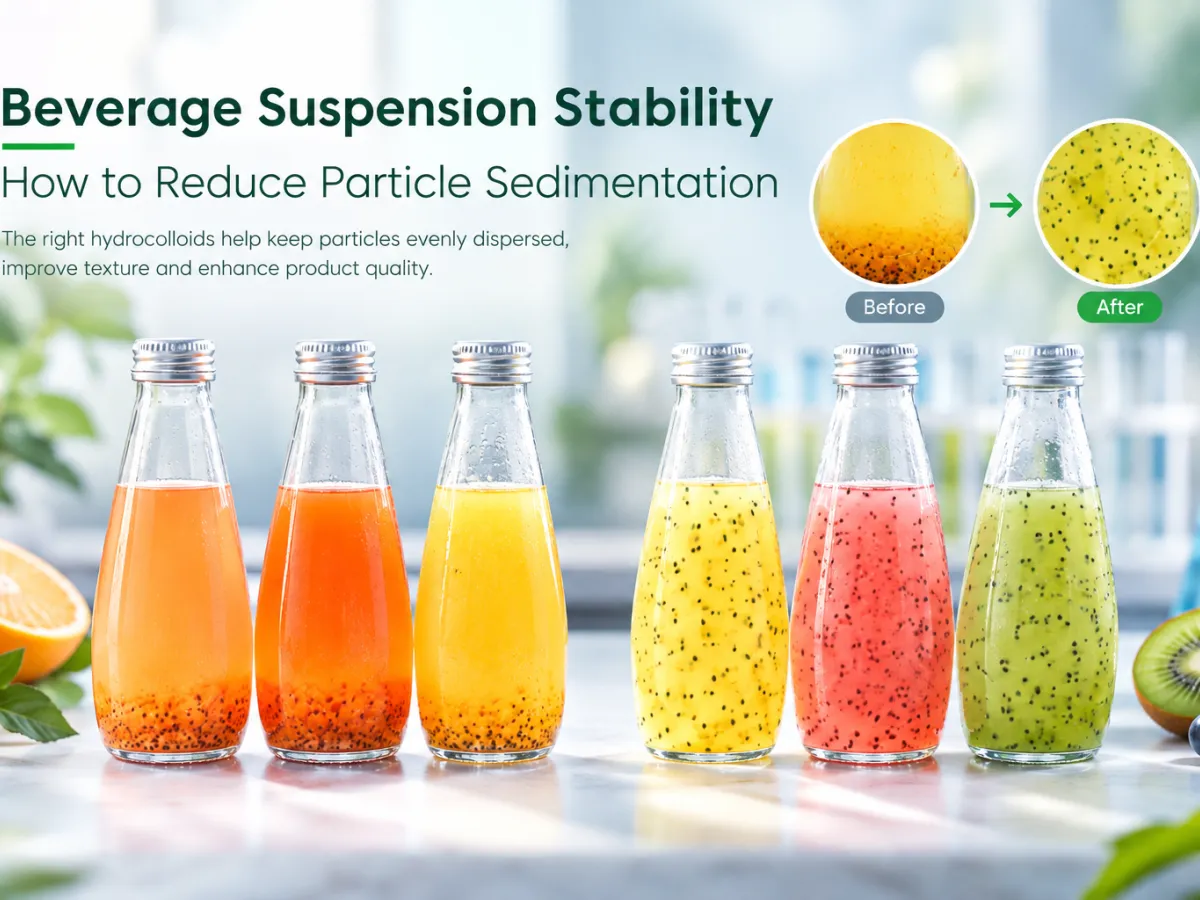
With the development of beverages containing fruit pieces, plant-based particles, fruit juice, and functional ingredients, food manufacturers are increasingly focusing on product a
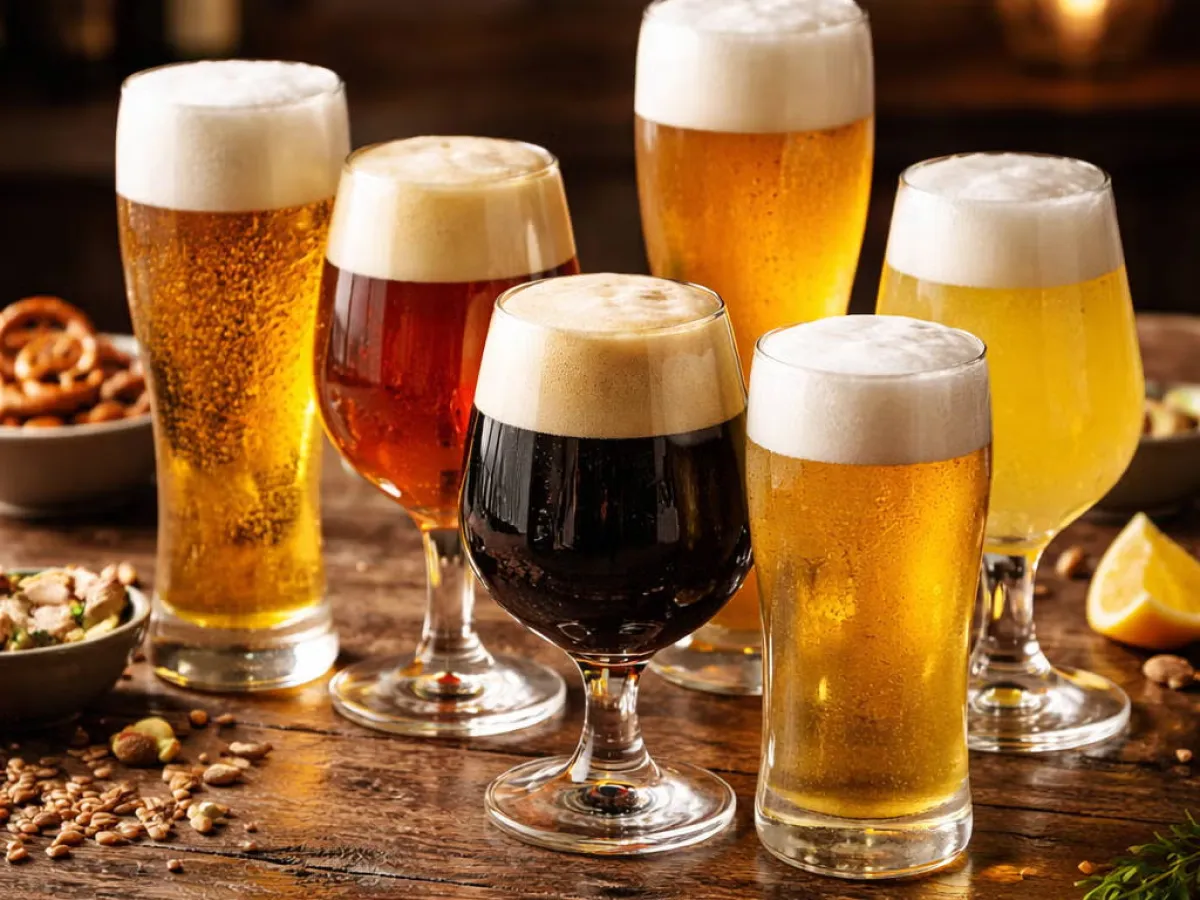
As a classic clarifying agent, the mechanism of gelatin in beverage clarification is quite ingenious. Gelatin is a protein carrying a positive charge, while many of the turbid subs
In simple terms, it is pectin that has gone through an additional "ammonia treatment" step during production, which attaches amide groups to the pectin molecule.