Low-Acyl Gellan Gum in 3D Printing
Extrusion-based 3D food printing has made significant strides in recent years, but two challenges continue to limit its broader adoption: the suboptimal rheological properties of existing food inks and the limited diversity of printable food-grade materials. Finding the right hydrocolloid to balance these competing demands is key. Low-acyl gellan gum (LAG) has emerged as a powerful solution to this problem.

Why Low-Acyl Gellan Gum?
As a microbial polysaccharide produced by Sphingomonas bacteria through fermentation, Low-acyl gellan gum forms firm, translucent gels with high thermal stability without requiring additional crosslinking agents. This makes it particularly attractive for 3D food printing applications, where the ink must flow smoothly through the nozzle yet maintain shape after deposition.
What sets Low-acyl gellan gum apart from other hydrocolloids is its concentration-dependent tunability. The ink's viscosity, gel strength, and self-supporting capacity can be precisely controlled by adjusting the amount of LAG added. This allows formulators to dial in the exact rheological properties required for specific applications.
Key Applications
Low-acyl gellan gum is being used across a range of 3D food printing applications:
Plant-based gel systems: In plant-based inks such as barley seedling powder-potato puree, Low-acyl gellan gum significantly enhances viscosity and structural integrity. A concentration of around 3% delivers the best printing results.
Starch-based curing systems: When combined with starch, Low-acyl gellan gum's temperature-sensitive properties (curing at 35°C–43°C) enable the ink to solidify at room temperature after extrusion, eliminating the need for additional cooling equipment.
Dysphagia-friendly foods: Low-acyl gellan gum formulations can meet IDDSI Level 5 ("Minced and Moist") standards, making them suitable for clinical care and elderly nutrition. Usage levels of 1%–2% balance printability with swallowing safety.
Protein-based emulsion systems: In protein systems such as ovalbumin and fish gelatin, Low-acyl gellan gum improves extrusion performance, enabling printing precision down to millimeter scale. It is also being used to develop plant-based seafood analogues.

Technical Advantages of LAG in 3D Printing
Compared to traditional stabilizers, gellan gum's core advantage lies in low dosage with high performance. Industry application data shows that gellan gum typically requires only one-third to one-half the usage level of agar or carrageenan — generally around 0.05% is sufficient to form a stable gel network. In practice, this translates to significantly lower ingredient costs for achieving the same effect.
1. Superior Rheological Control
Low-acyl gellan gum provides excellent shear-thinning behavior — high viscosity at rest (maintaining shape) but low viscosity under shear (smooth extrusion). The Low-acyl gellan gum system exhibits higher storage modulus (G′) values than carrageenan at the same concentration, meaning it provides stronger solid-like properties and better post-deposition stacking.
2. Rapid Curing at Room Temperature
Unlike many other hydrocolloids, Low-acyl gellan gum enables curing at room temperature. The Low-acyl gellan gum-starch mixed system solidifies as it cools from the extrusion temperature (around 40°C) to room temperature, making it practical for commercial production without specialized cooling equipment.
3. Better Layer Adhesion
Research shows that Low-acyl gellan gum formulations produce improved layer stacking and structural fidelity. At 4% Low-acyl gellan gum concentration, printed products maintain their height and shape more consistently, with cleaner cutting surfaces and less deformation compared to formulations without Low-acyl gellan gum.
4. Excellent Synergy with Starch
Low-acyl gellan gum works synergistically with starch molecules. It reinforces hydrogen bonding and the double helix structure of starch chains, creating a tighter three-dimensional gel network. The combination of starch and Low-acyl gellan gum provides superior mechanical strength while maintaining good extrusion performance.
Recommended Usage Levels
|
Application |
Recommended LAG Level |
Key Consideration |
|
High printability/shape fidelity |
3%–4% |
Best extrusion and stacking results |
|
Dysphagia-friendly foods (IDDSI Level 5) |
1%–2% |
Balances printability with swallowing safety |
|
Starch-based curing systems |
4% |
Optimal curing performance and gel strength |
|
Protein emulsion systems |
0.5%–1.5% |
Improves extrusion properties |
|
Salmon/fish analogues |
~9% (in gelatin blend) |
Mimics raw fish texture |
Why Choose Us
We supply low-acyl gellan gum with consistent quality for 3D food printing applications. Our technical team understands the nuances of ink formulation — from optimizing rheology for smooth extrusion to achieving IDDSI compliance for healthcare applications.
Contact us for a free sample and technical consultation — and see how low-acyl gellan gum can bring your 3D food printing applications to life.
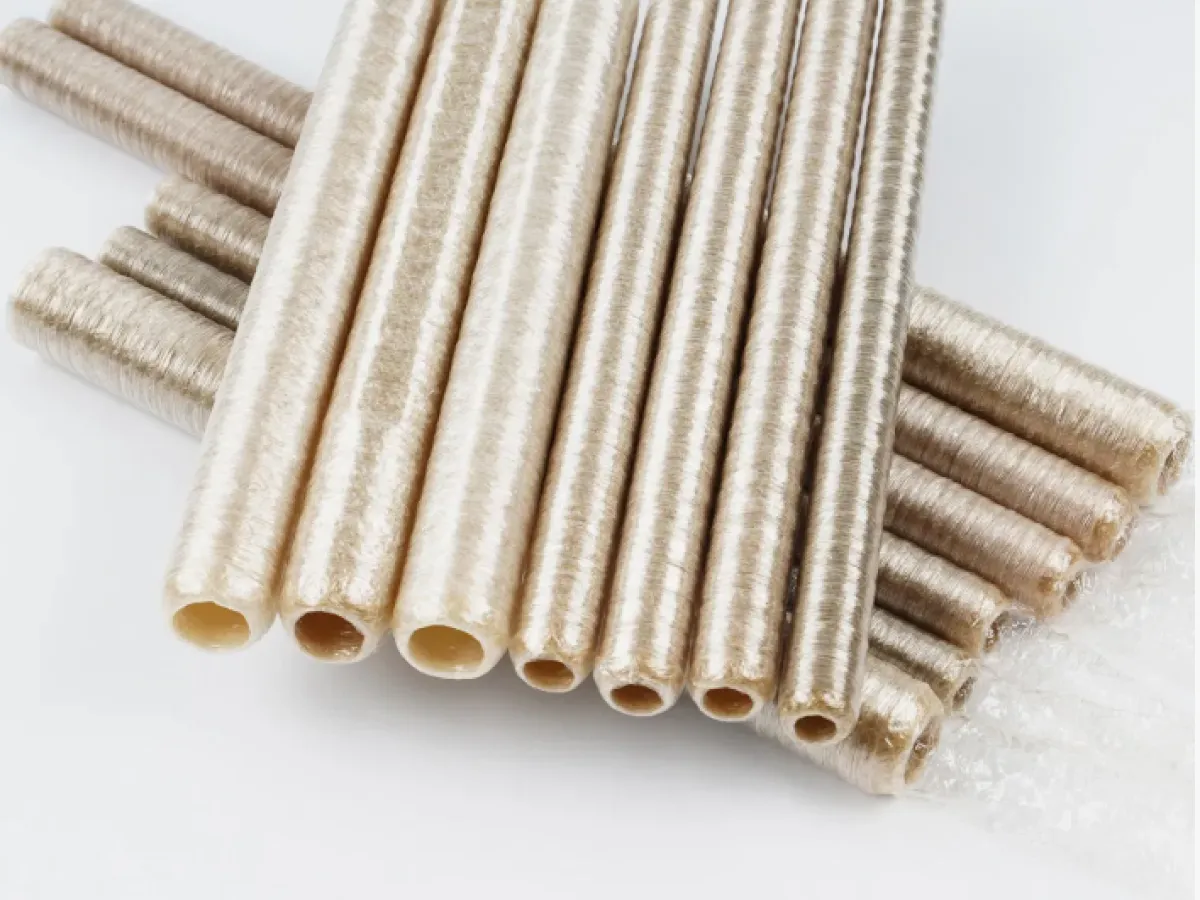
This guide provides a detailed comparison to help you determine which casing type best fits your production requirements.
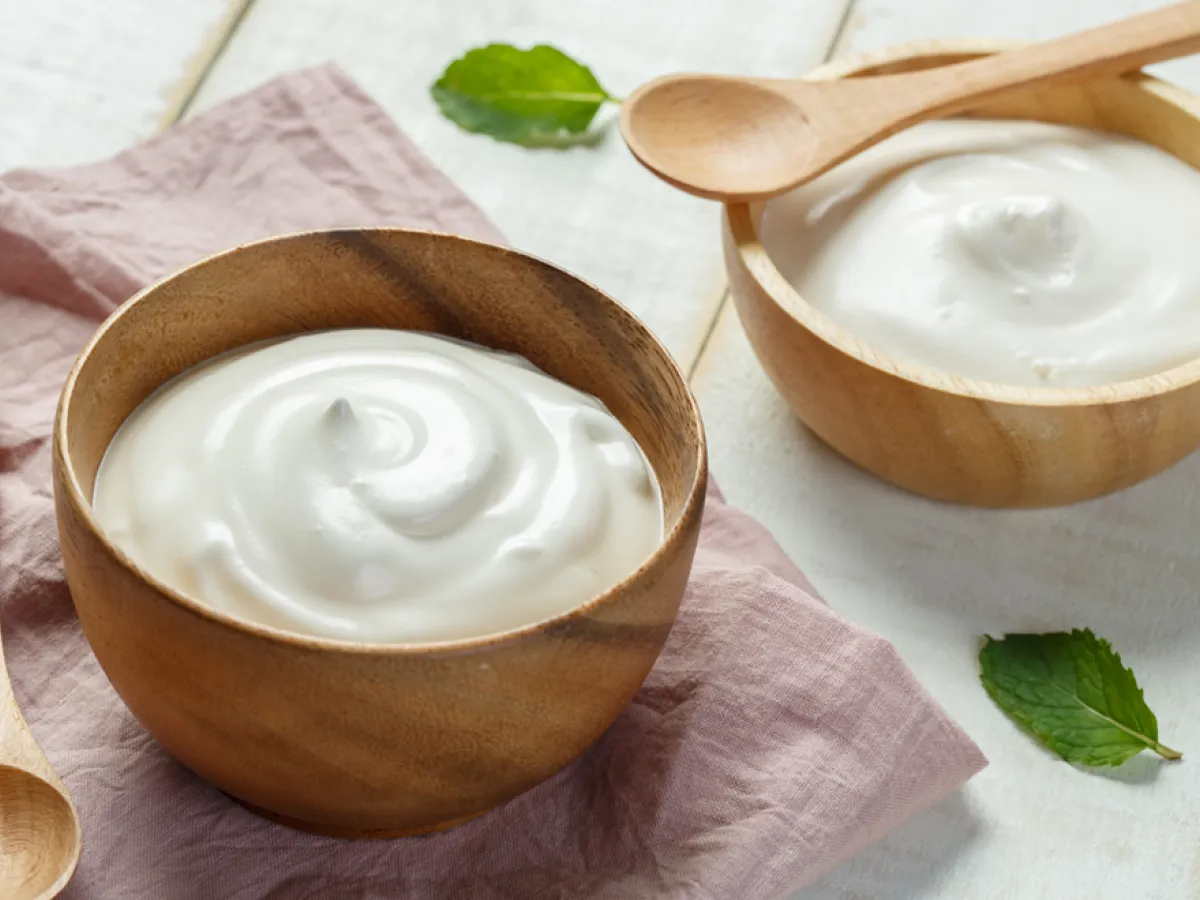
The casein gel network formed during yogurt fermentation is structurally fragile and prone to rupture during transportation or refrigeration, leading to whey separation. Upon cooli

Aqueous solutions of welan gum exhibit typical pseudoplastic fluid characteristics, namely high apparent viscosity at low shear rates and a pronounced decrease in viscosity as the
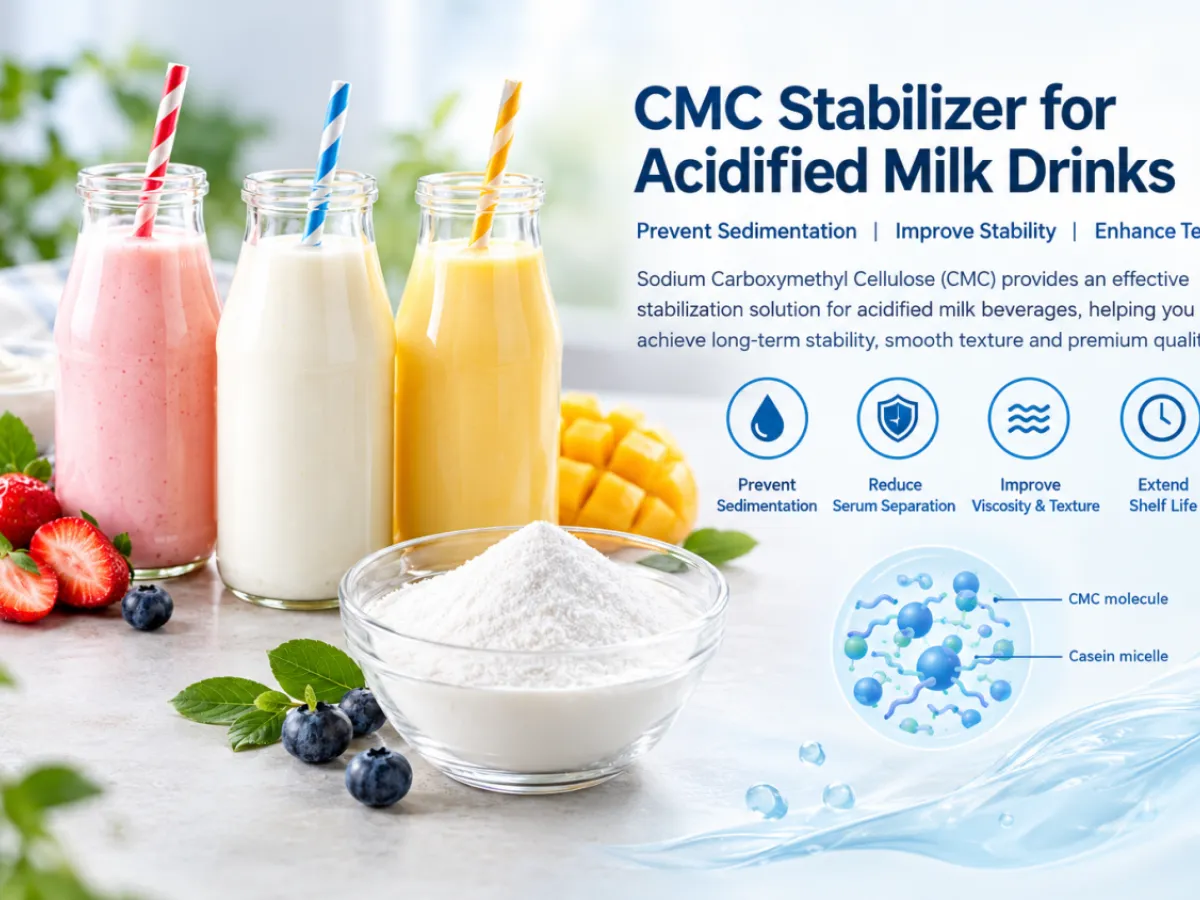
During storage, many acidified dairy beverages may experience problems such as protein aggregation, sedimentation, serum separation and viscosity loss, resulting in poor appearance
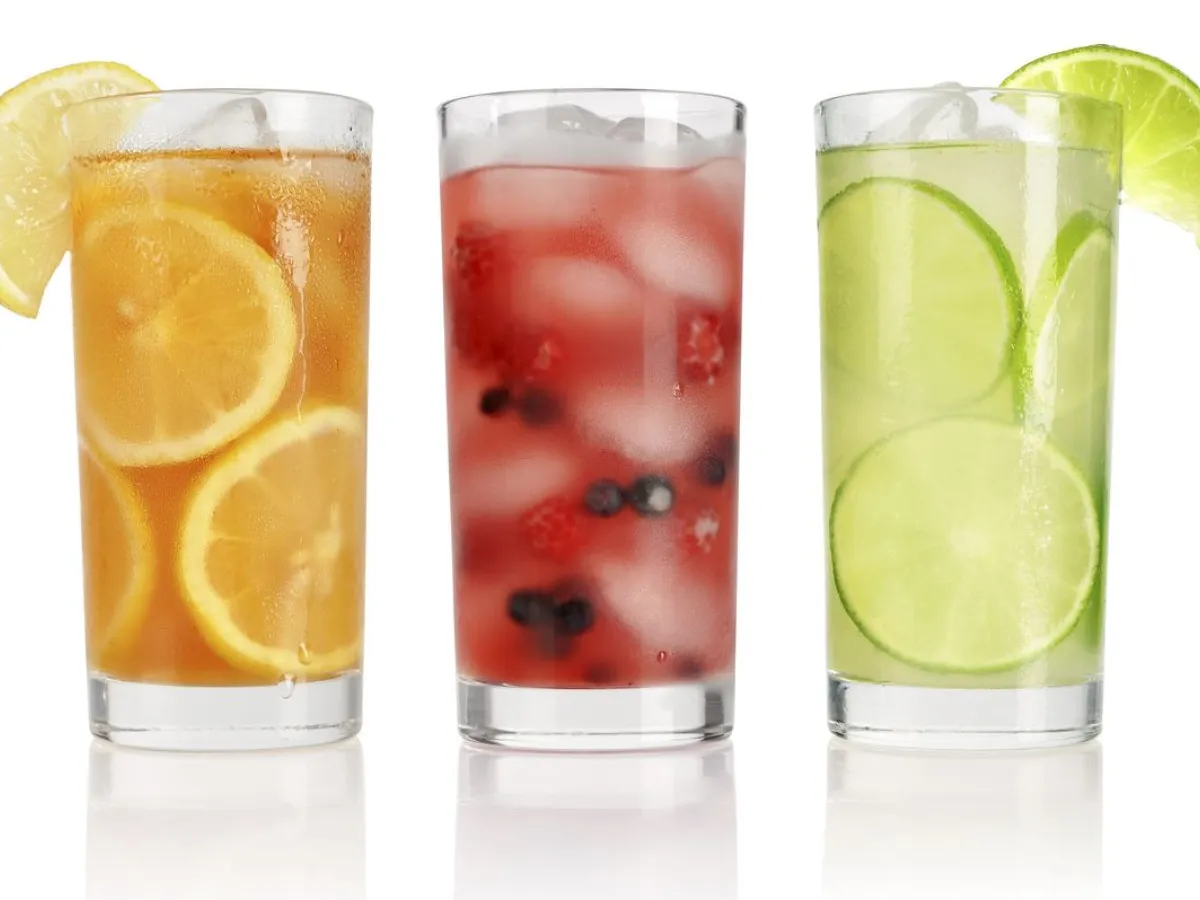
Sodium alginate is primarily derived from brown algae and exhibits excellent thickening, stabilizing, film-forming, and gelling properties.

From an application perspective, collagen powder has good compatibility. It can be compounded with vitamins, hyaluronic acid, elastin, probiotics, dietary fiber, and many other ing
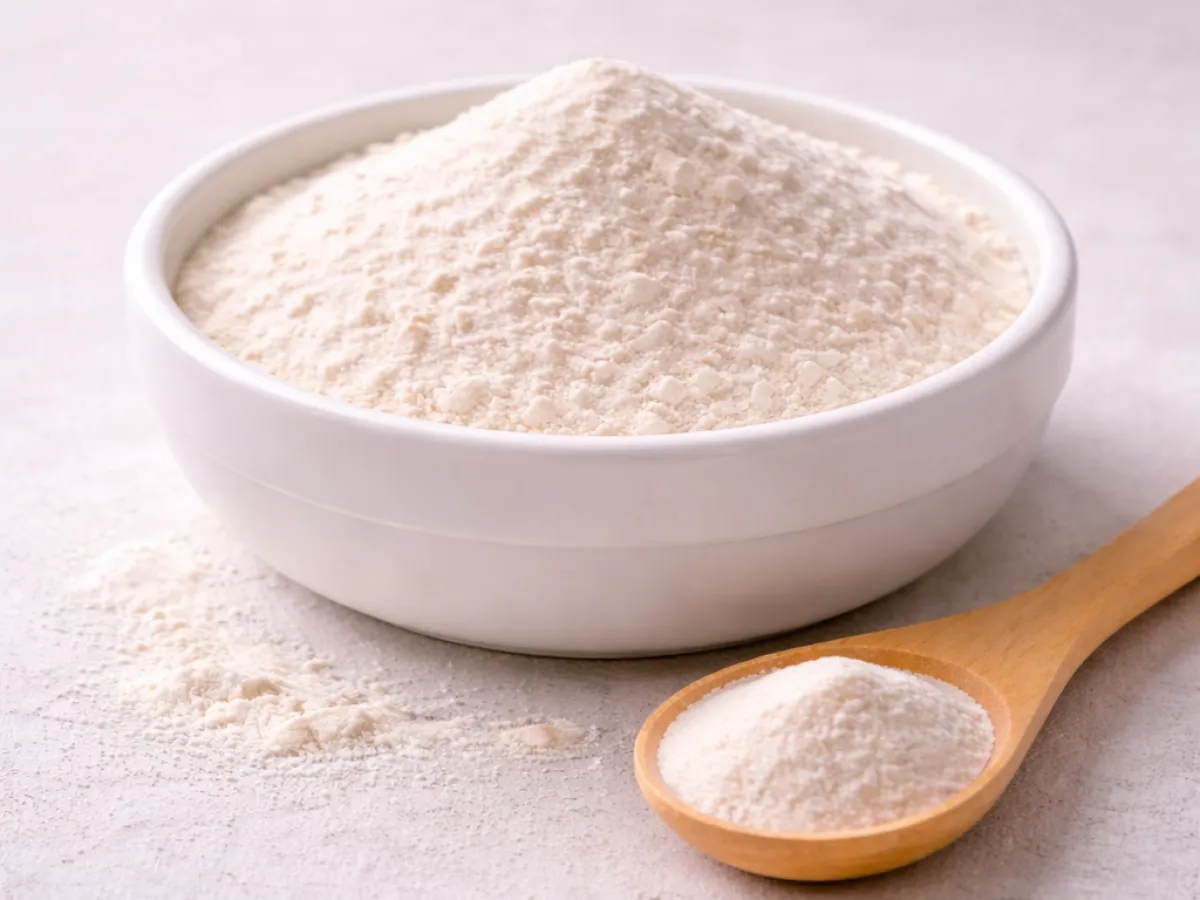
Modified starch relies on heat-induced gelatinization to form a viscous system; it establishes stable viscosity only after sufficient heating and provides no thickening effect in c

Single hydrocolloids always have limitations: xanthan gum alone provides insufficient oil dispersion and tends to release oil; agarose alone lacks suspension power and tends to sep
Dust pollution generated during coal mining, transportation, stockpiling, and handling poses severe health risks to workers, contaminates the environment, and creates safety hazard
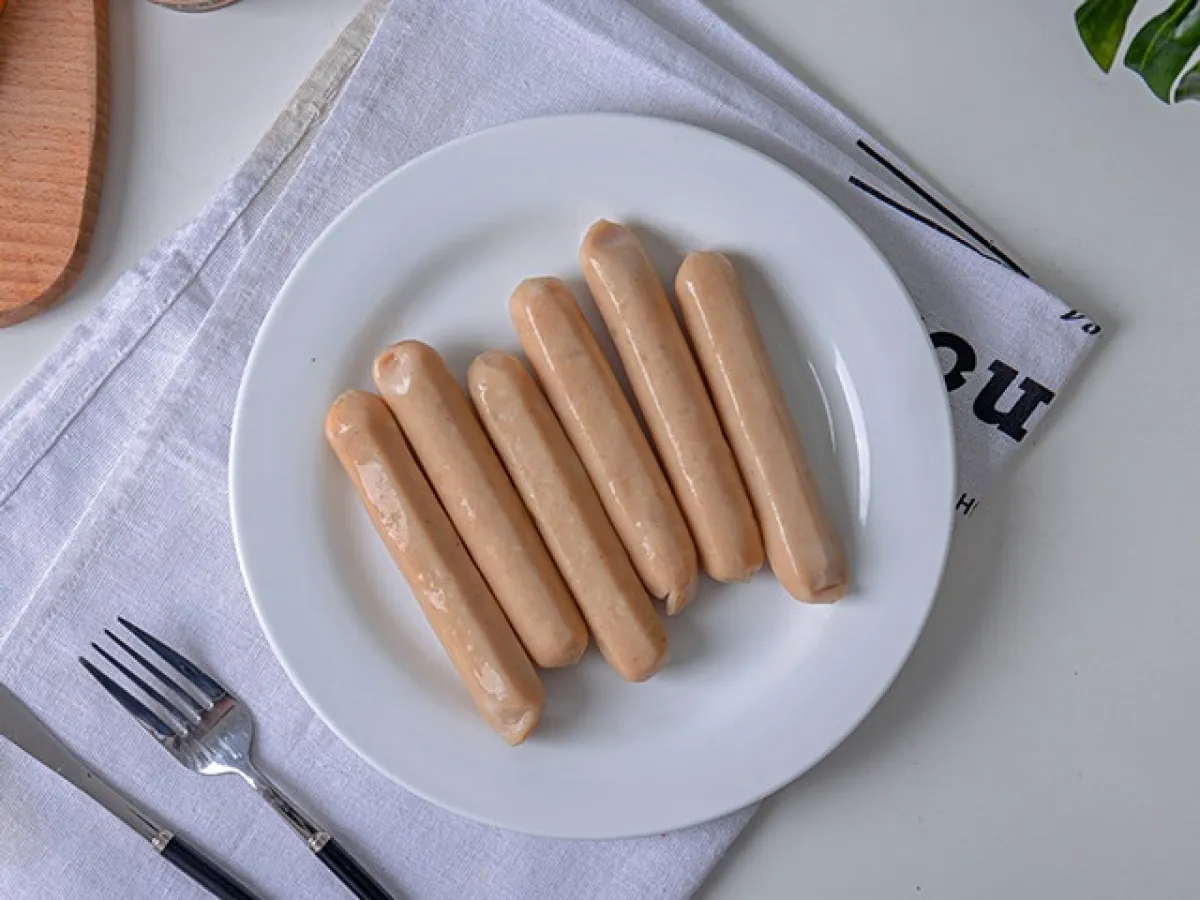
This knowledge article explains the fundamental differences between edible and non-edible collagen casings across material composition, manufacturing, applications, handling, and p