In the development of ready-to-eat high-protein puddings, formulators face a core challenge: how to maintain a delicate mouthfeel and stable structure while incorporating high concentrations of whey or casein protein. High-protein systems are prone to roughness, syneresis, and chalky or powdery textures. Gelatin intervenes here as a "molecular bridge," deftly resolving this contradiction.
I. Achieving Pure Smoothness Under High Protein Loading
High concentrations of protein ingredients inherently carry a heavy, powdery mouthfeel and astringent notes. The key application detail of gelatin lies in its thermally reversible gelling behavior. During production, gelatin is uniformly dispersed in the hot protein base; upon cooling after filling, it is the first to form an extremely fine, thermodynamically reversible weak gel network.
The elegance of this network lies in its balance of rigidity and flexibility. Its strength is just sufficient to "support" high-molecular-weight protein particles that tend to sediment, preventing them from settling and caking during shelf life. At the same time, the gel's fracture resistance is extremely low, allowing it to "melt" and collapse at mouth temperature with minimal chewing effort, releasing the encapsulated protein micelles. This instantaneous "melt-in-the-mouth" sensation cannot be replicated by thickeners alone, such as carrageenan, which often impart heavy or brittle textures. Gelatin, in contrast, delivers a pure, powder-free, velvety smoothness.
II. Precise Control of Flavor Release
High-protein products often rely on sugar substitutes or flavorings to enhance taste, but these volatile compounds tend to remain "free" in the system, creating sharp or off-notes. Gelatin excels here through its flavor-release modulation capability. As gelatin molecular chains cool, they form helical structures that physically entrap a portion of the flavor compounds.
Upon consumption, as the gel network undergoes controlled unwinding at body temperature, the entrapped flavors are released in a gradual, sequential manner. This mechanism allows the pudding to present a mild, fresh milky aroma at the first bite, reaching a flavor peak just before swallowing. It effectively masks the beany or metallic off-notes inherent to protein isolates, preventing flavor from bursting too early or fading prematurely, and ensuring that sweetness and dairy notes blend seamlessly.
III. The Invisible Guardian of Moisture State
Ready-to-eat puddings are prone to surface sweating or bottom weeping during storage, an inevitable consequence of protein hydration network contraction. Gelatin, with its abundant hydrophilic groups, effectively binds free water and reduces water activity in the system. Its long polymer chains interpenetrate between casein micelles, acting as a water-retaining scaffold. Even under temperature fluctuations throughout the cold chain, it substantially suppresses syneresis.
This means that when consumers peel back the lid, the pudding surface consistently appears moist, glossy, and mirror-smooth, rather than uneven or pooled with whey. This superior water-holding capacity translates directly into lasting freshness and a rich, juicy mouthfeel throughout the shelf life, serving as an invisible contributor to the product's premium sensory quality.
IV. Clean Label and Process Tolerance
Compared with plant-derived hydrocolloids, gelatin, as a natural animal protein, aligns inherently with the clean label positioning of high-protein concepts. On the processing side, gelatin demonstrates remarkable tolerance: it accommodates a wide filling temperature window and performs consistently in both acidic and neutral systems. This provides tangible benefits in simplifying pretreatment steps and improving production line efficiency.
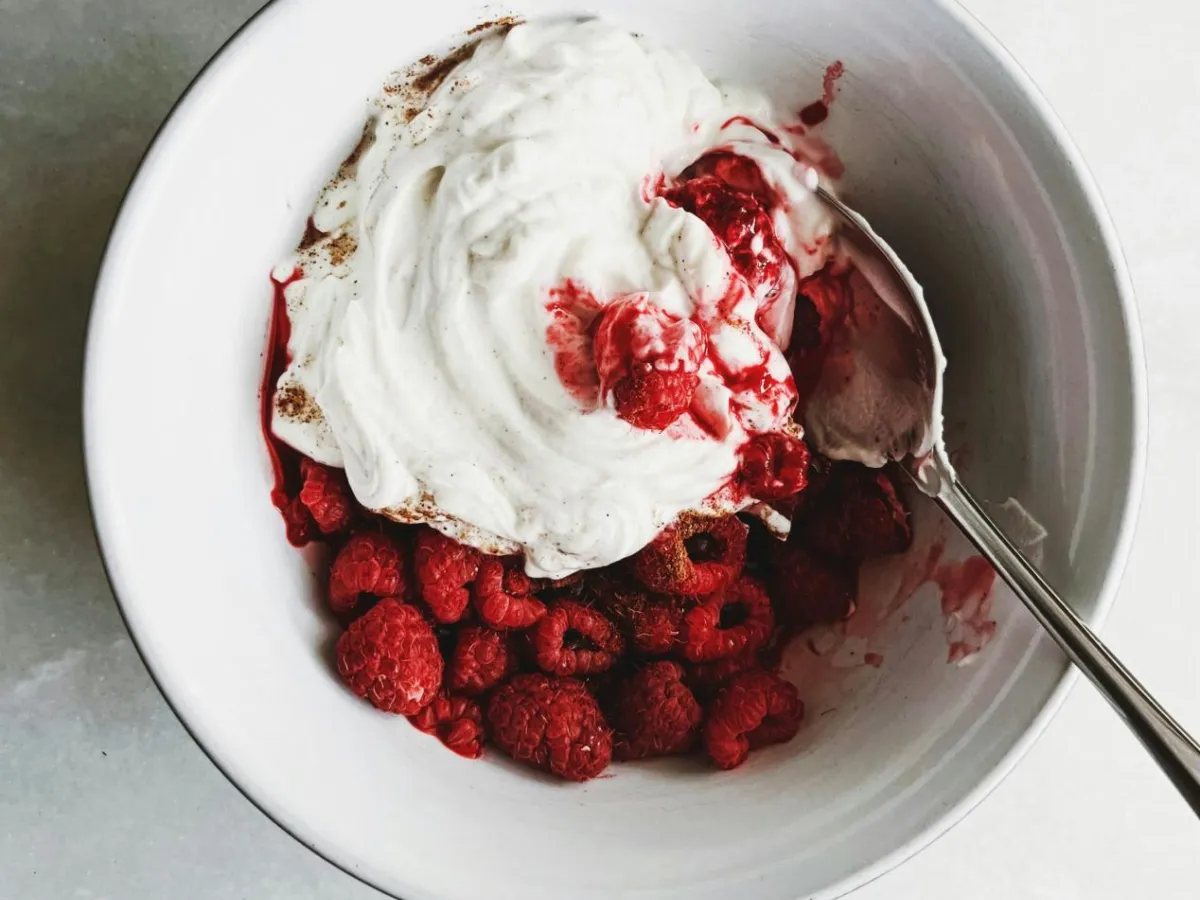
The adoption of pectin in yogurt is not just anecdotal. According to market data, more than half of all new spoonable yogurt launches now contain pectin. This widespread acceptance
High concentrations of protein ingredients inherently carry a heavy, powdery mouthfeel and astringent notes. The key application detail of gelatin lies in its thermally reversible
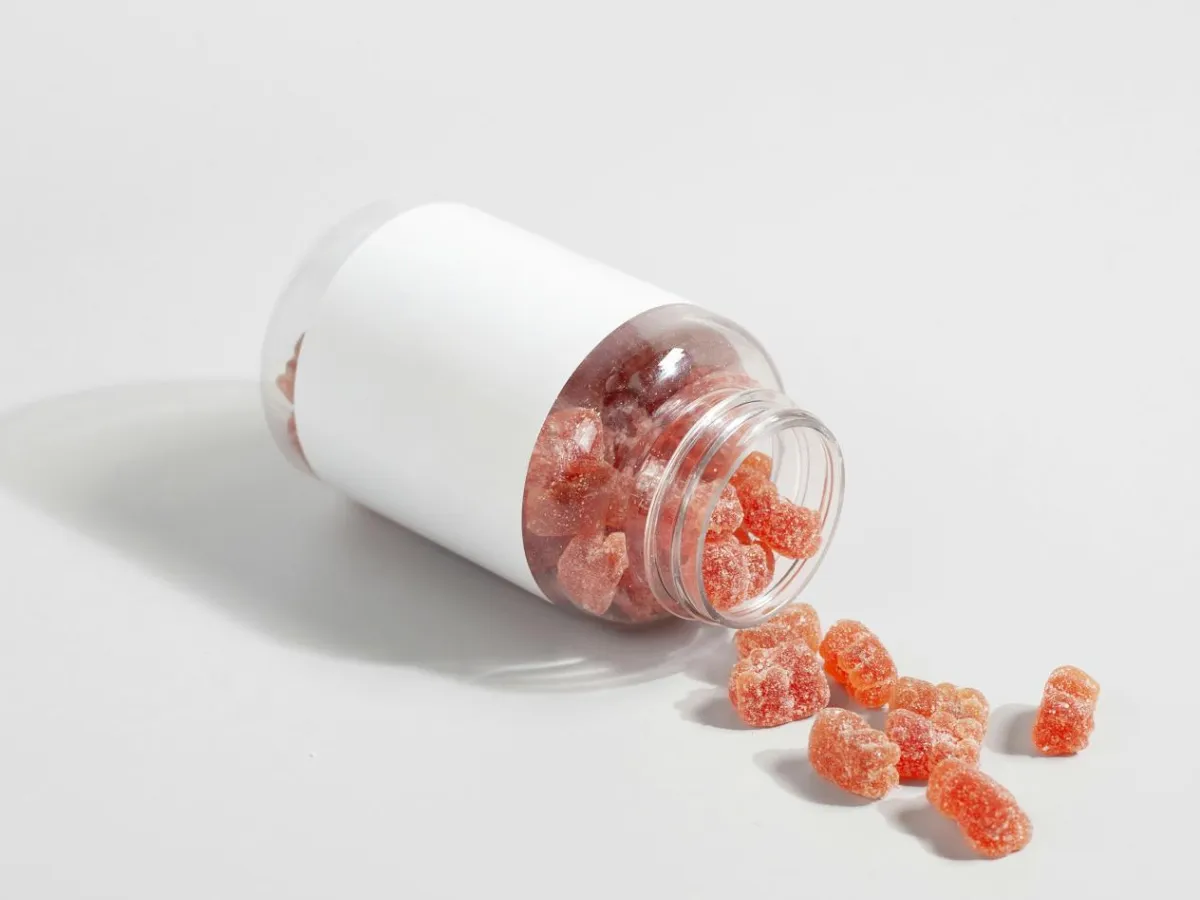
Today, vegan gummies are one of the fastest-growing segments in confectionery. And at the center of this shift stands pectin – a plant-derived hydrocolloid that is proving to be mo
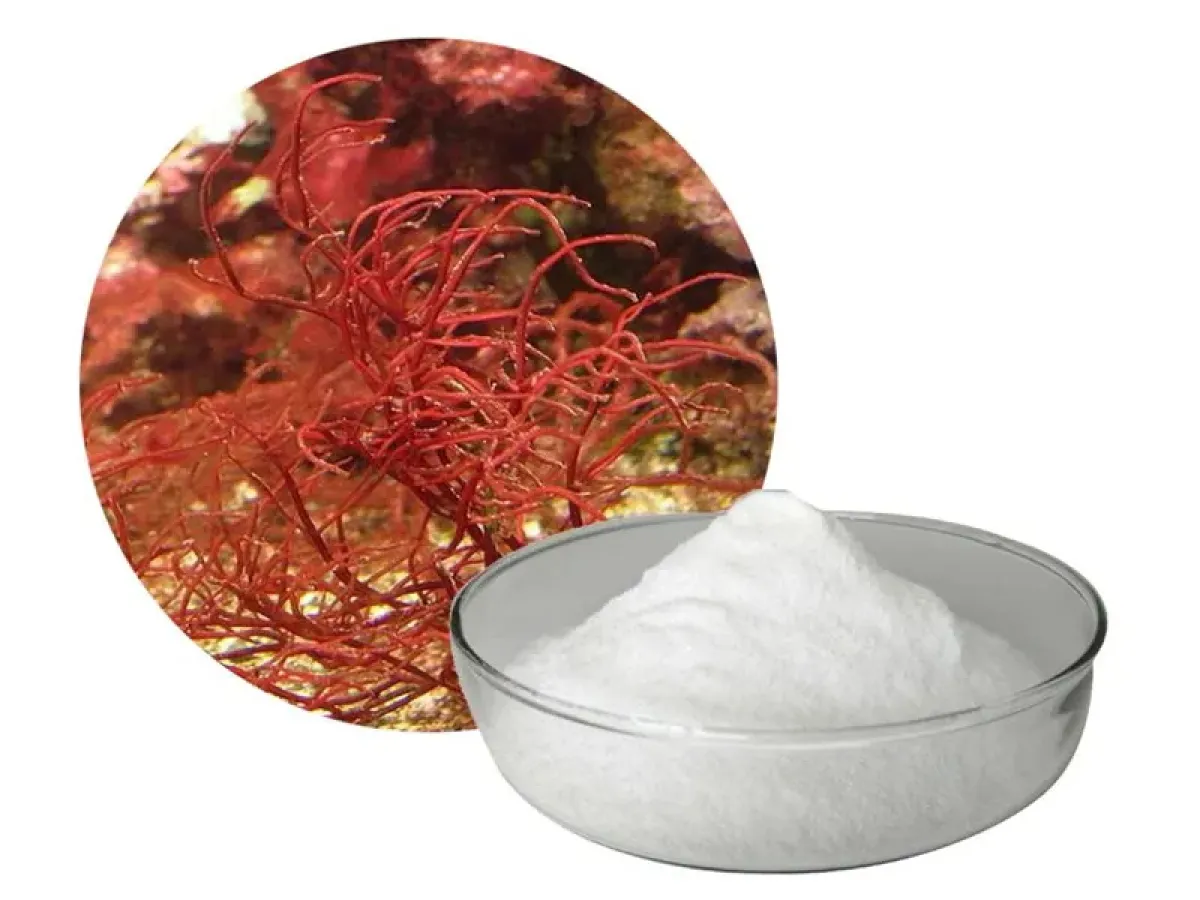
From a physicochemical perspective, carrageenan possesses unique solubility, dissolving in hot water at around 80°C to form a viscous, transparent solution, but insoluble in cold w
The primary role of CMC in toothpaste is to provide the desired texture, consistency, and stability. Specifically, it performs the following critical functions:
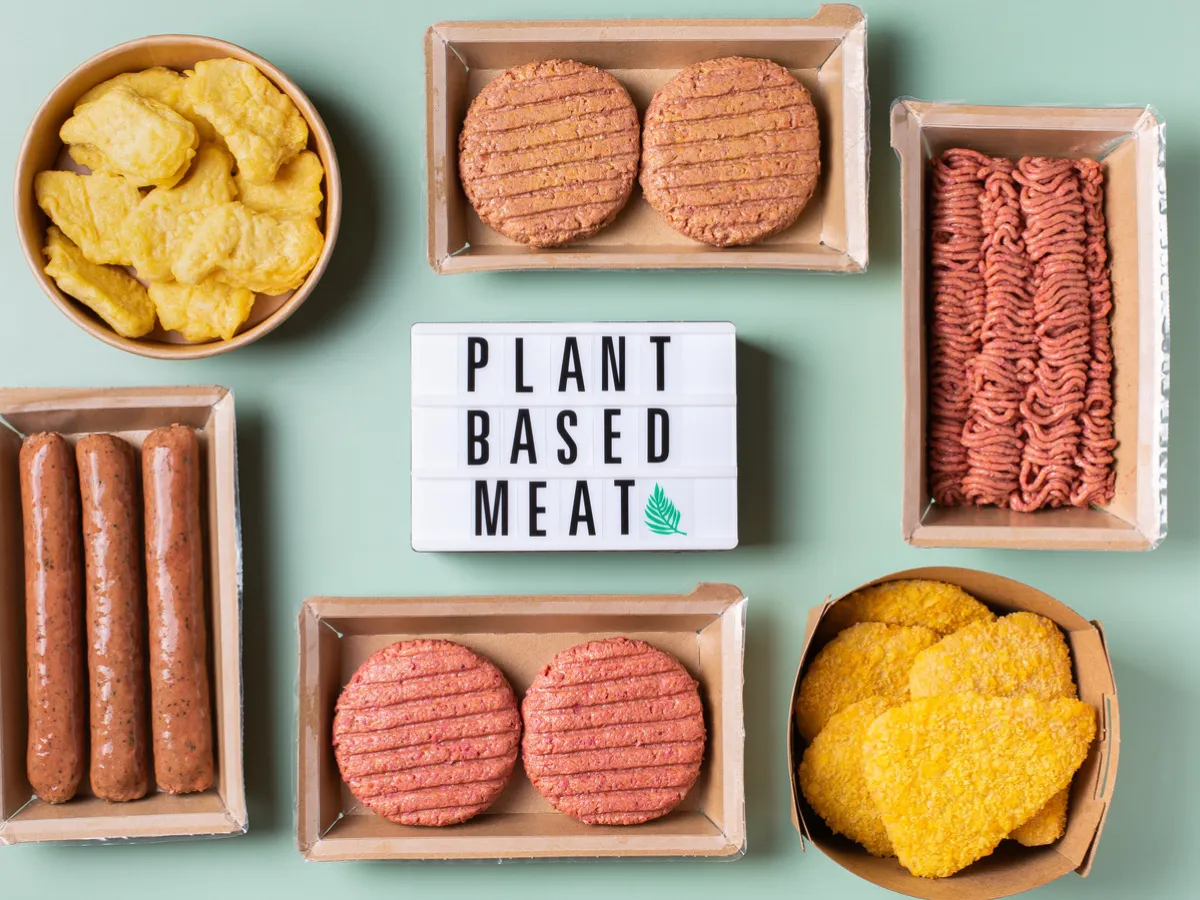
In food production, the most important functions of sodium alginate are thickening and stabilization. Taking fruit juice drinks, fruit pulp drinks, and plant protein drinks as exam
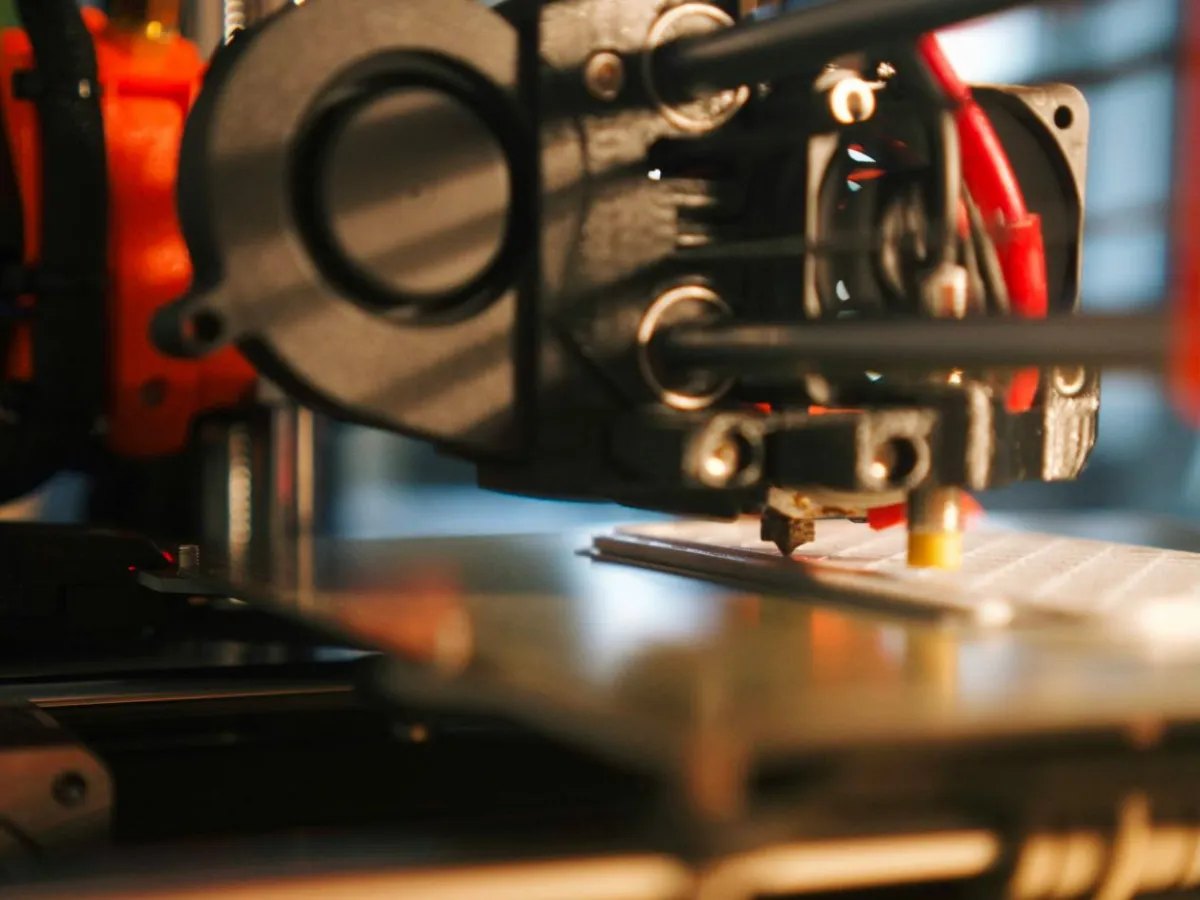
Extrusion-based 3D food printing has made significant strides in recent years, but two challenges continue to limit its broader adoption: the suboptimal rheological properties of e
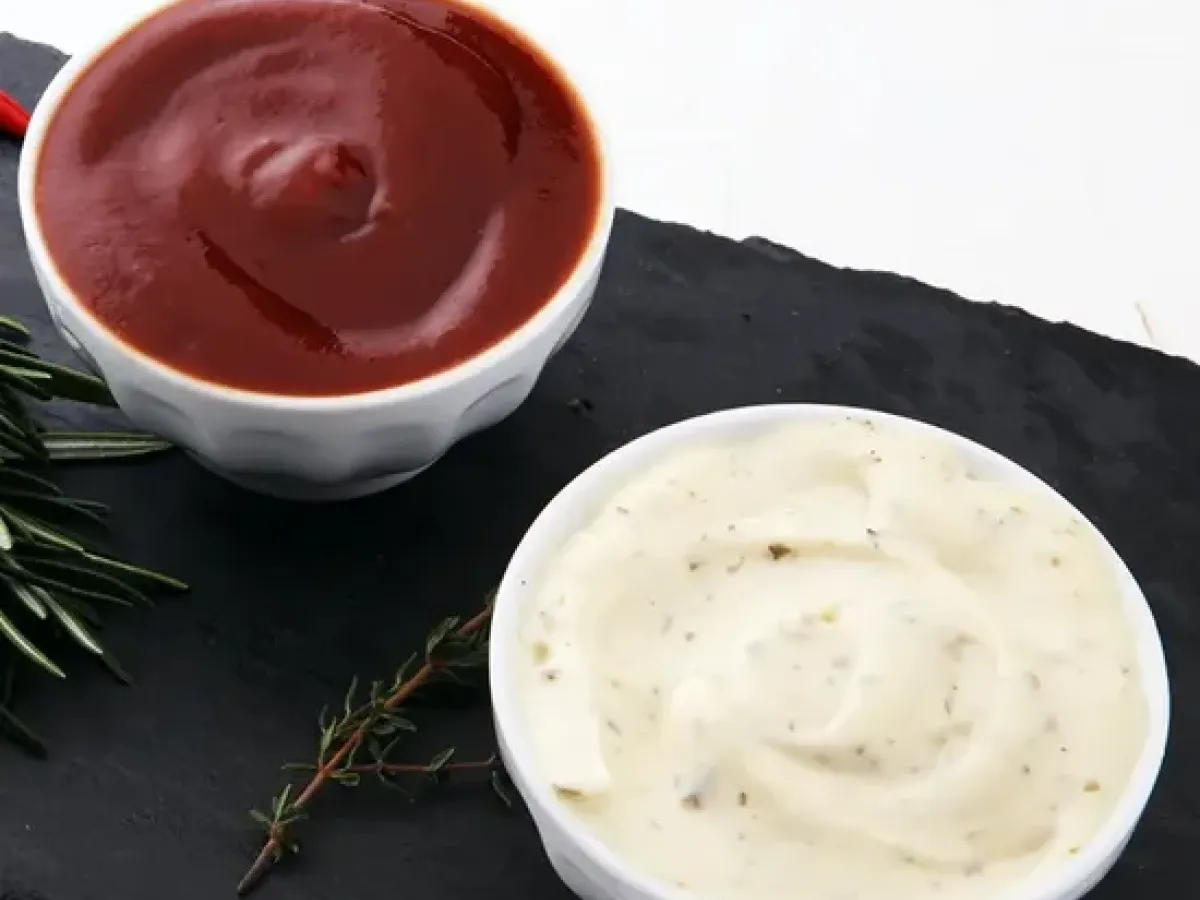
The biggest advantage of this modified corn starch specifically for sauces is its resistance to cooking, acid, and shearing. Sauce production requires high-temperature cooking, hig
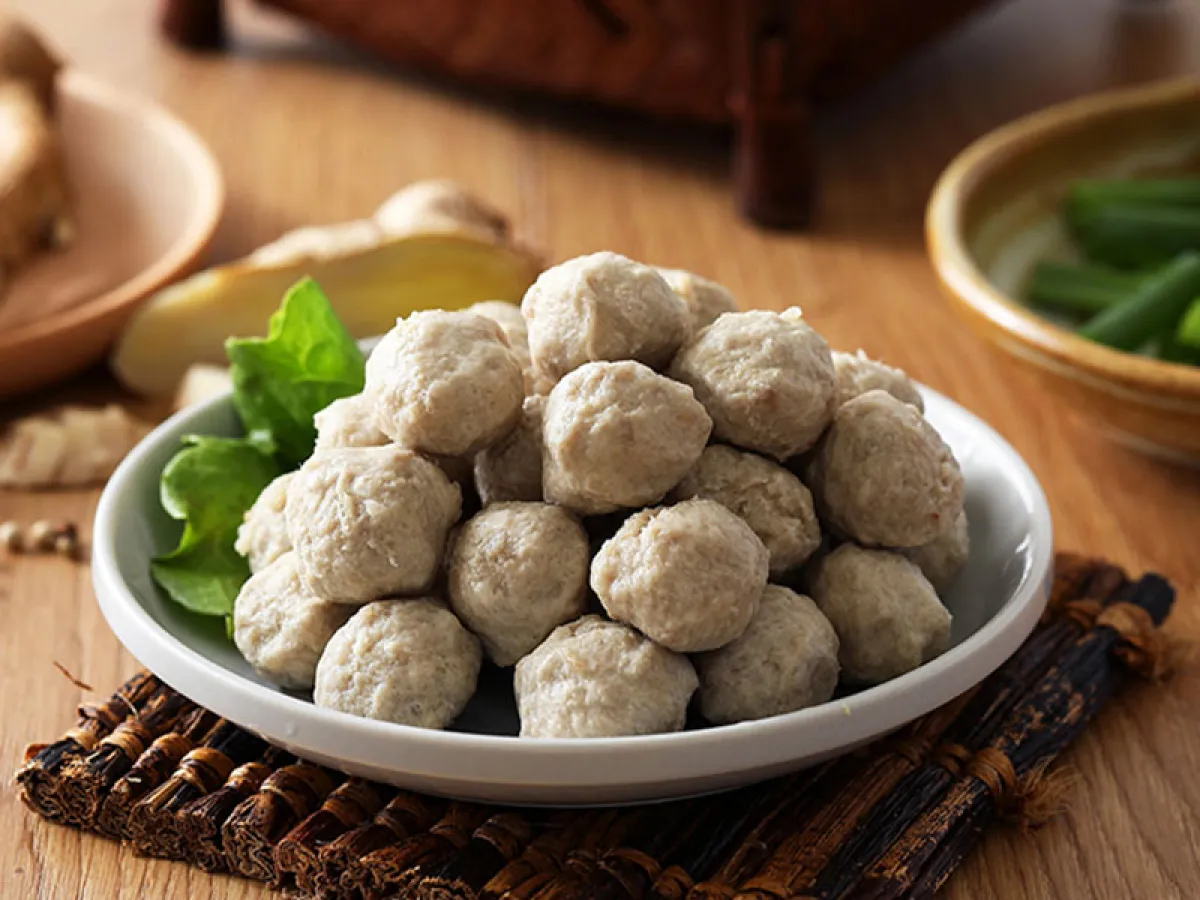
Curdlan gum can be further classified into low-degree colloid, medium-degree colloid and high-degree colloid based on its gel properties. The key to the distinction lies in the con

Freeze-dried pet food, also known as vacuum freeze-dried pet food, is a type of pet food processed through vacuum freeze-drying technology. This process involves rapidly freezing f