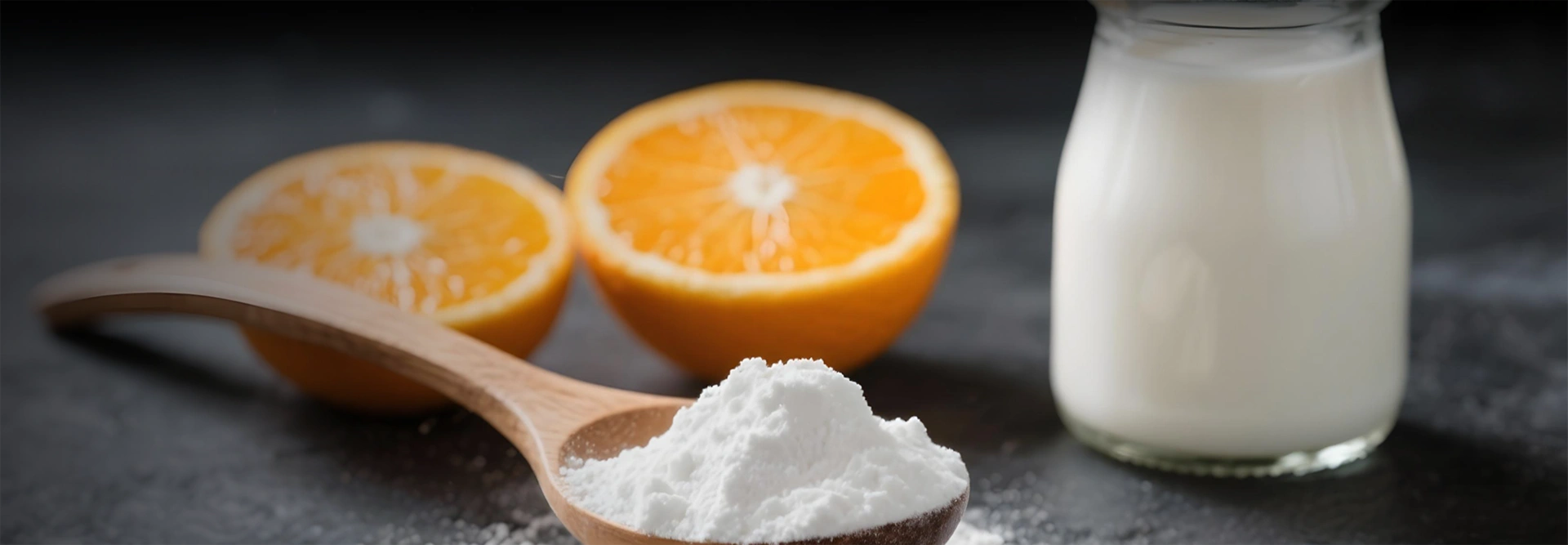
One of the most frustrating challenges in beverage manufacturing is particle sedimentation. Whether you are producing a fruit juice with real pulp, a plant-based milk fortified with calcium, or a functional drink with suspended nutrients, gravity is your enemy. Shake well before drinking is a compromise, not a solution.
To keep particles evenly distributed, formulators traditionally rely on thickeners like xanthan gum. But these ingredients increase viscosity, turning a refreshing, light beverage into a syrupy liquid.
Gellan gum offers a different approach. It creates a weak, fluid gel network that suspends particles without making the drink thick. Here is how to use it effectively.
Why Gellan Gum Works for Suspension
Gellan gum is an excellent suspending agent because of its unique rheological properties. It exhibits strong shear-thinning behavior: it forms a gel-like structure at rest (keeping particles suspended), but flows easily when agitated or poured.
Even at extremely low concentrations, gellan gum forms a yield stress network that holds solid particles in place. Because the dosage is so low, the final beverage retains its clean, refreshing mouthfeel and does not feel viscous or slimy.
Choosing the Right Type: High Acyl vs. Low Acyl
Your choice depends on the pH of your beverage and the size of the particles you need to suspend.
1. For Neutral Beverages: High Acyl (HA) Gellan Gum
For neutral pH beverages (pH 6.0–7.0) — such as neutral plant-based milks, soy milk, or calcium-fortified juices — High Acyl gellan gum is the standard choice.
Dosage: Typically 0.02% to 0.045%.
How it works: It prevents the settling of insoluble calcium and cocoa powder. It can be used in combination with other hydrocolloids and emulsifiers to stabilize the system.
2. For Acidic Beverages & Pulp: Low Acyl (LA) Gellan Gum
For acidic fruit juices (pH < 4.5) containing suspended fruit pulp, aloe vera pieces, or other solid particles, Low Acyl gellan gum is highly effective.
Dosage: Typically 0.017% to 0.025% (depending on the density and size of the suspended particles).
How it works: It forms a firm, brittle gel network that is excellent at holding particles uniformly throughout the liquid, even after thermal processing like pasteurization.
Practical Formulation Tips
1.Hydration is Critical: Gellan gum must be fully dispersed and hydrated before the gelling ions (calcium or acid) are added. If you are using LA gellan gum, hydrate it in water first, then add your fruit juice and calcium source.
2.Use a Sequestering Agent: To prevent pre-gelation (clumping) during high-temperature processing, consider using a sequestering agent like sodium citrate to control the availability of calcium ions until the beverage is cooled.
3.Combine with Other Hydrocolloids: Gellan gum works synergistically with xanthan gum or CMC. A small amount of gellan gum provides the suspension, while a tiny amount of xanthan gum can provide the necessary body without destroying the clean mouthfeel.
Using gellan gum as a suspension agent is highly cost-effective. Because the recommended dosage is only 0.02%, the cost per ton of finished beverage is remarkably low. Furthermore, it allows you to reduce or eliminate the use of modified starches and excessive gums, moving your formulation closer to a clean-label claim.
Contact us for a free sample and technical consultation — and keep your fruit pulp perfectly suspended from the first sip to the last.
.
To keep particles evenly distributed, formulators traditionally rely on thickeners like xanthan gum. But these ingredients increase viscosity, turning a refreshing, light beverage
Meat emulsion products are the area where gelatin is used most intensively. In emulsified meat products such as sausages and frankfurters, gelatin acts as a stabilizer to reduce th
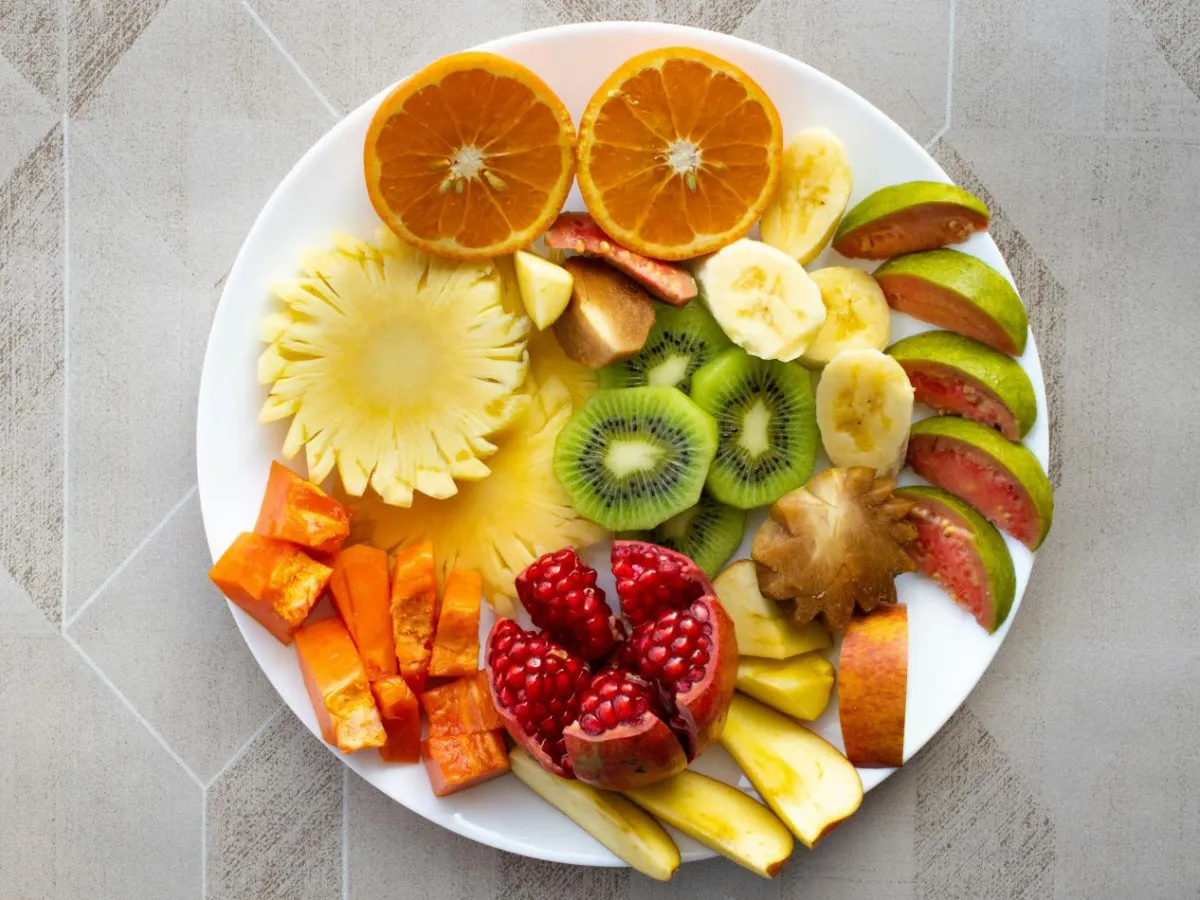
The truth is that HM pectin and LM pectin behave in opposite ways under acidic conditions — and understanding this difference is the key to avoiding costly formulation failures.
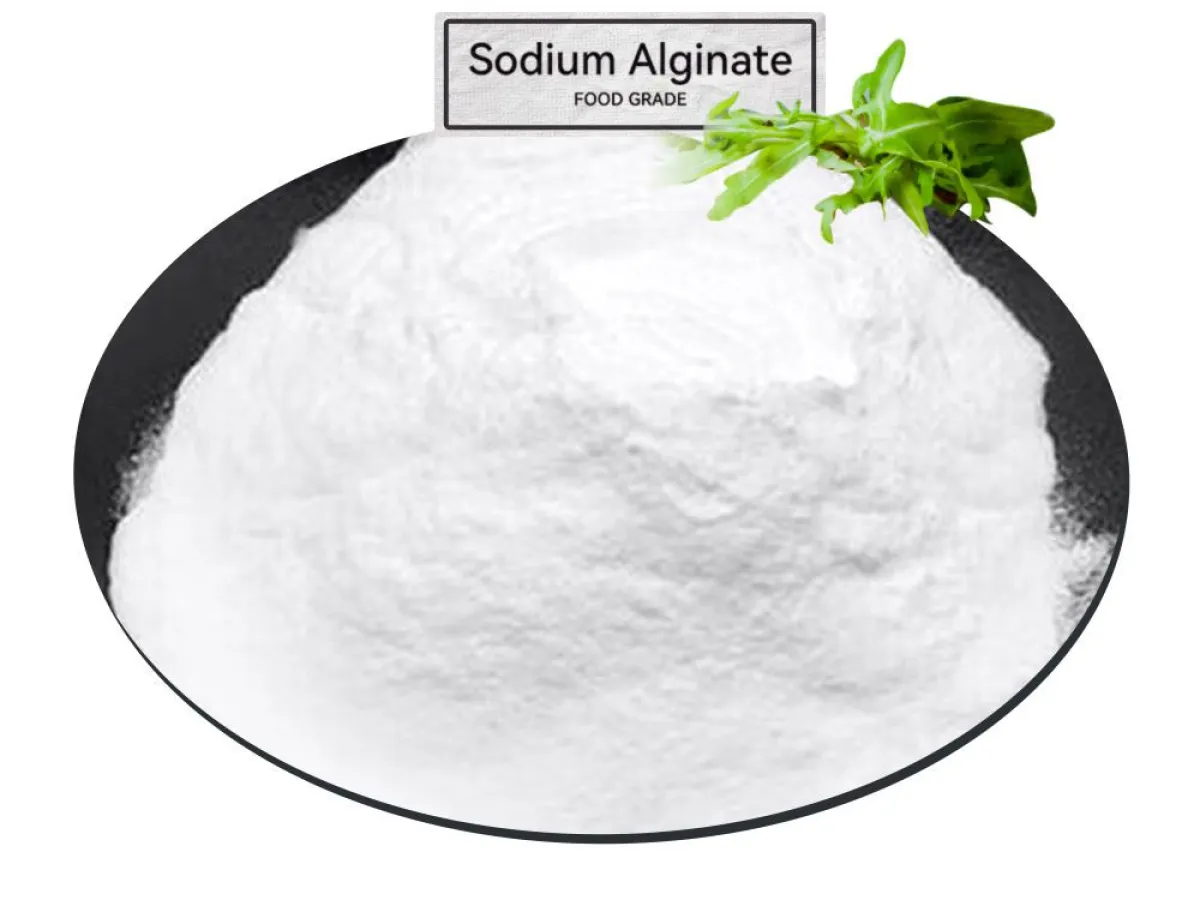
In ice cream mixes, sodium alginate is typically used at a dosage of 0.1%–0.3%. Once hydrated, it forms a network structure that binds free water, inhibiting the growth of ice crys
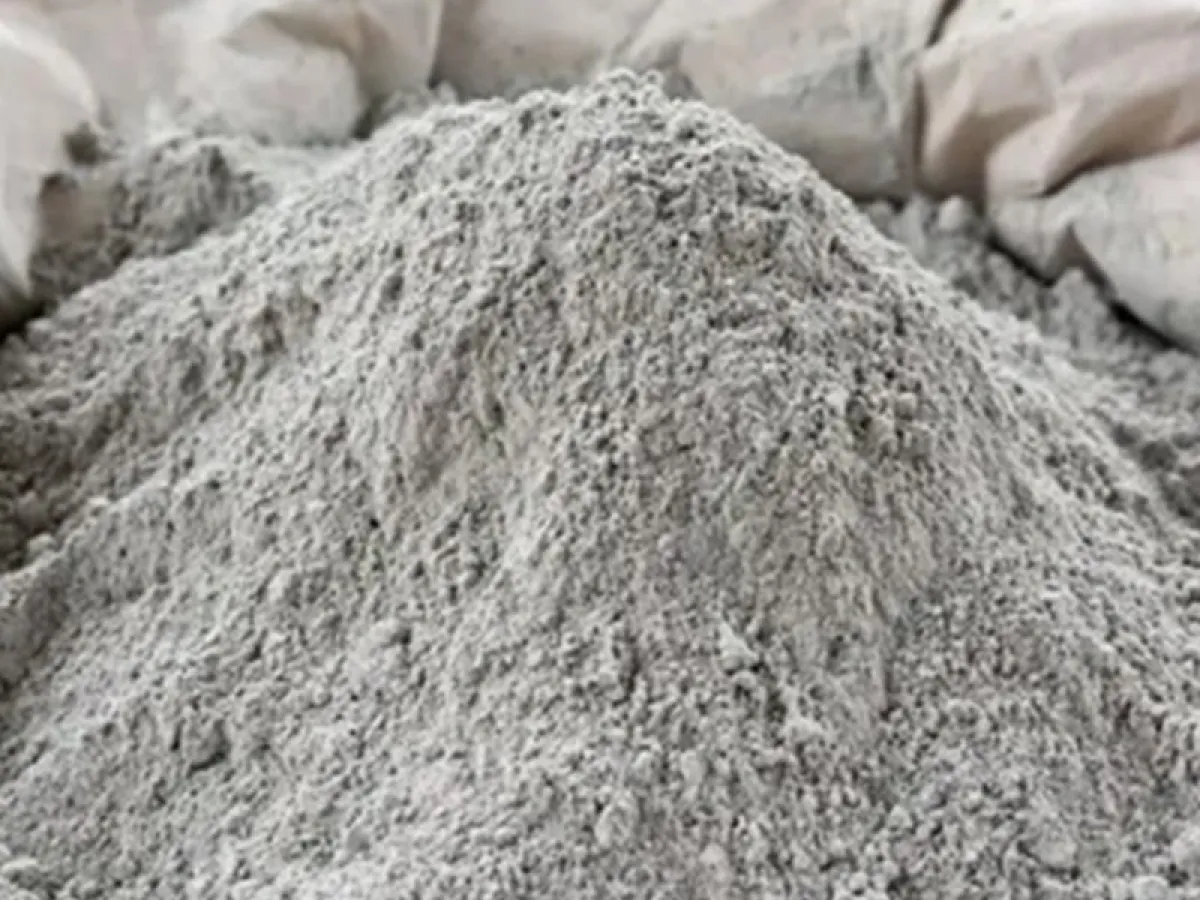
In practical application, the most intuitive value of welan gum lies in regulating the state of fresh concrete. In systems with high fluidity requirements such as self-compacting c
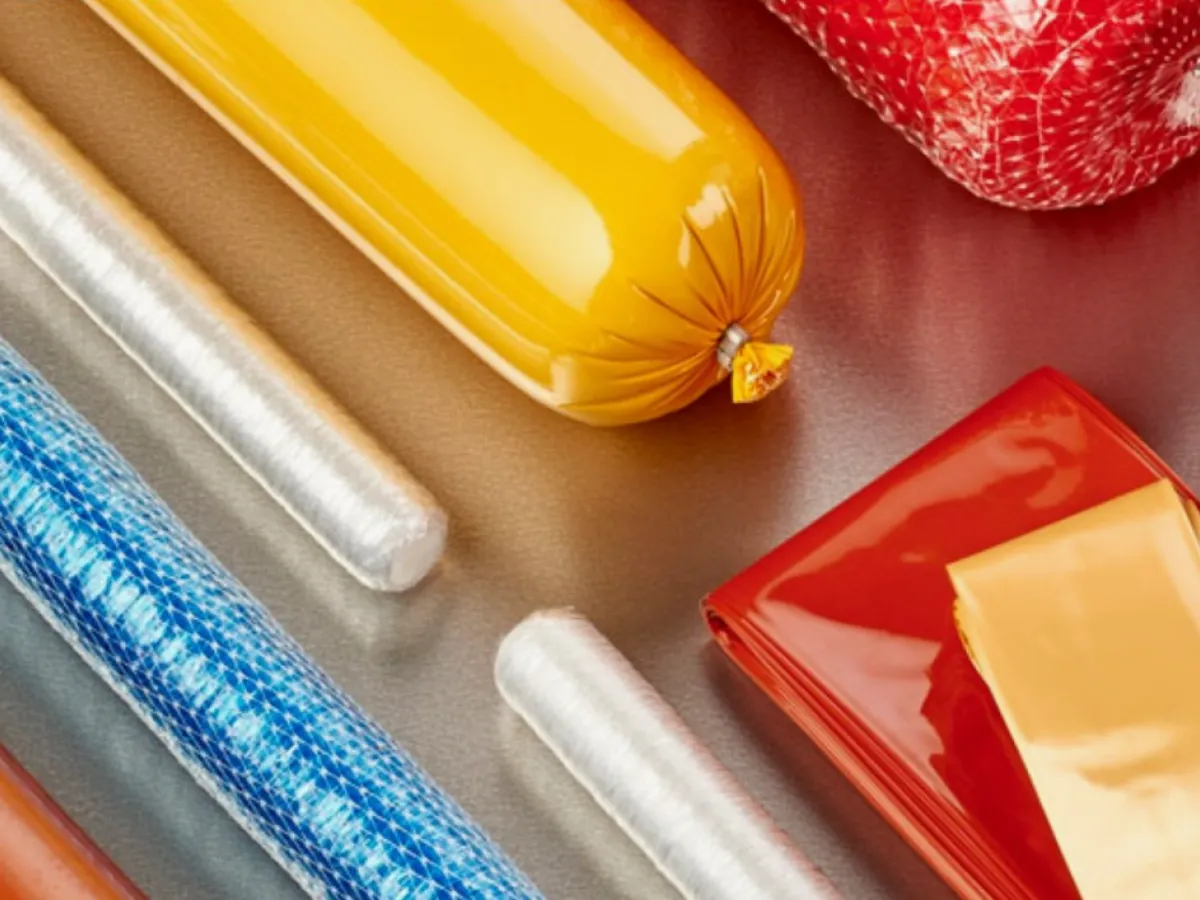
Collagen and plastic casings sit at opposite ends of the artificial casing spectrum. Collagen is protein-based, edible, and permeable to smoke and moisture. Plastic—most commonly p
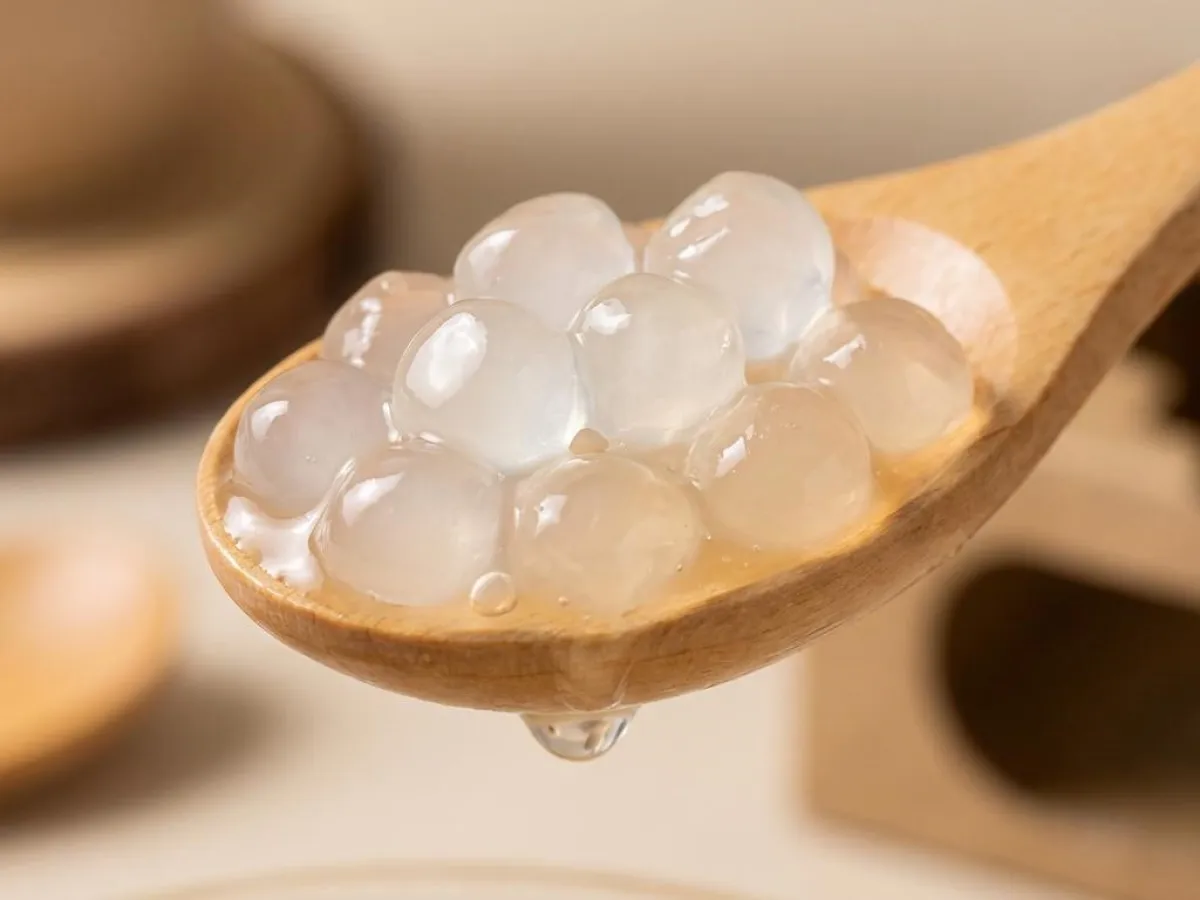
As plant-based beverages, fruit drinks, and innovative gel-based products continue to expand, popping boba manufacturers face growing demands for attractive appearance, consistent

The global artificial casings market was valued at $4.95 billion in 2024 and is projected to reach $8.6 billion by 2035, growing at a CAGR of 5.1%—outpacing the overall sausage cas
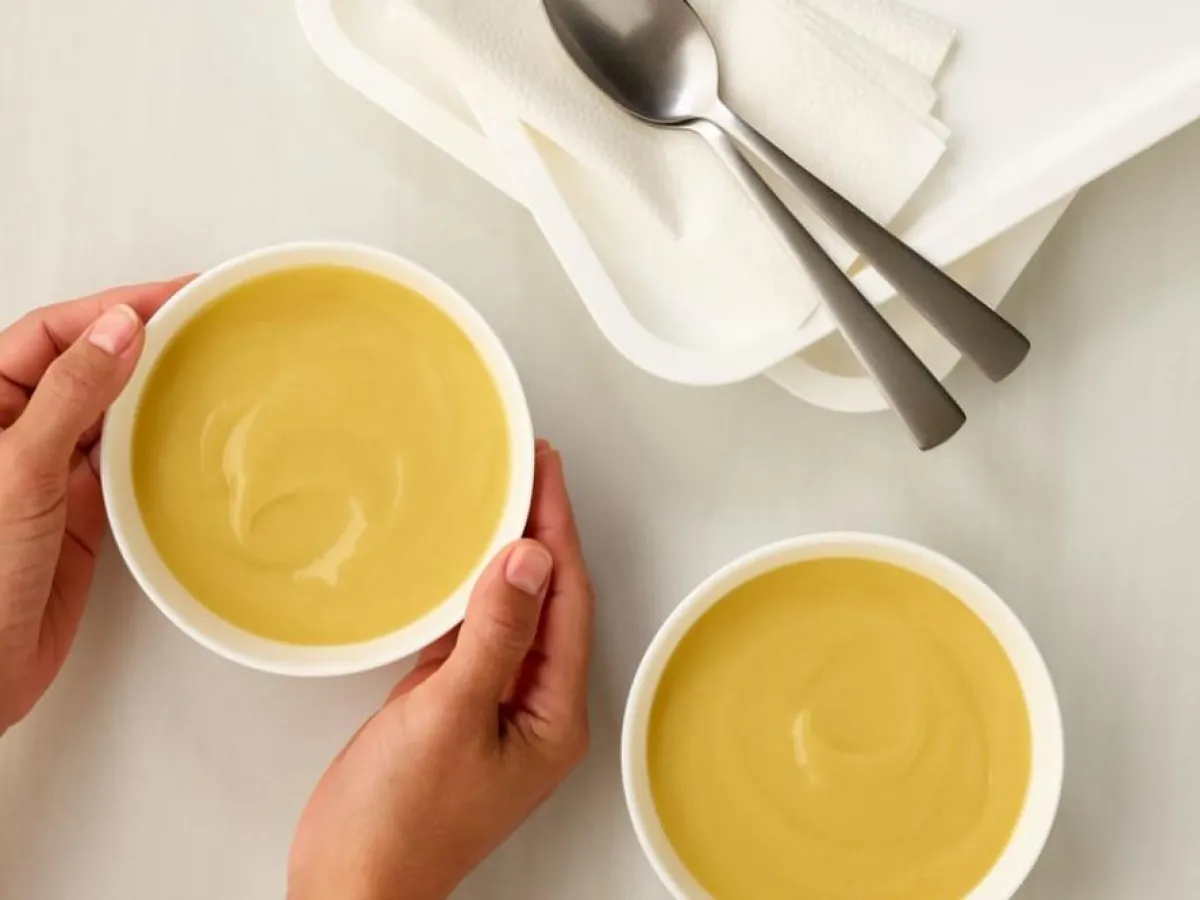
When developing thickened drinks and texturemodified foods, food manufacturers face more challenges than simply raising viscosity. Products must deliver uniform texture, acceptable
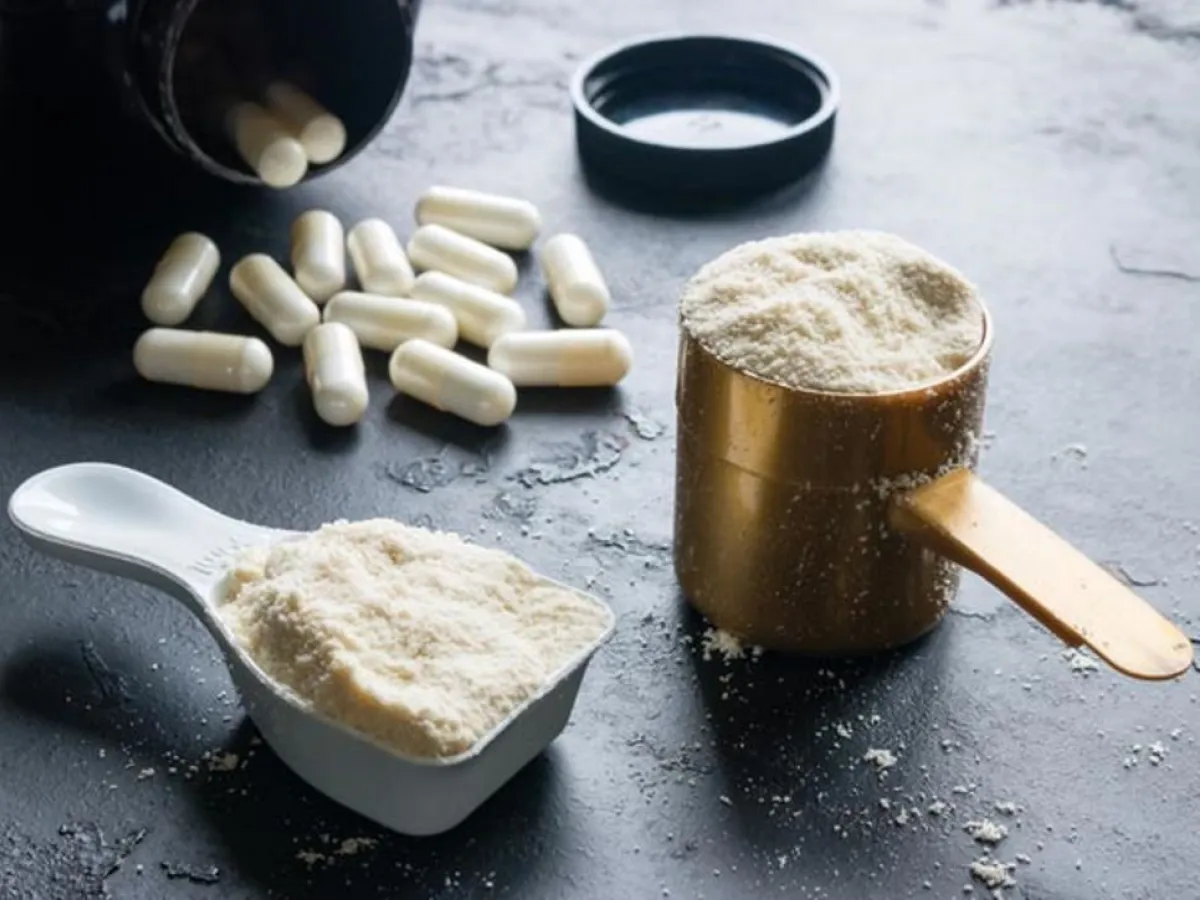
Upon contact with gastric acid, sodium alginate forms a gentle hydrogel that delays gastric emptying and prolongs the feeling of fullness. This helps stabilize post-prandial blood