The core value of gelatin in meat processing lies in the fact that it simultaneously plays three roles: water-binding agent, binder, and texture modifier. Through its thermally reversible gel behavior, it melts and penetrates during heating, then solidifies and sets upon cooling, thereby firmly "locking" minced meat, water, and fat together, significantly improving the sliceability, yield, and mouthfeel of the product.
Main Application Scenarios
Meat emulsion products are the area where gelatin is used most intensively. In emulsified meat products such as sausages and frankfurters, gelatin acts as a stabilizer to reduce the exudation of fat and water, with suitable addition levels typically ranging from 0.5% to 3.0%. Studies have shown that adding 1.5% pork skin gelatin powder to low-fat sausages results in significantly lower expressible moisture than the control group, confirming its water-binding effect. Gelatin in meat batter can also reduce the oil-water interfacial tension, allowing fat droplets to disperse more evenly and thereby enhancing emulsion stability.
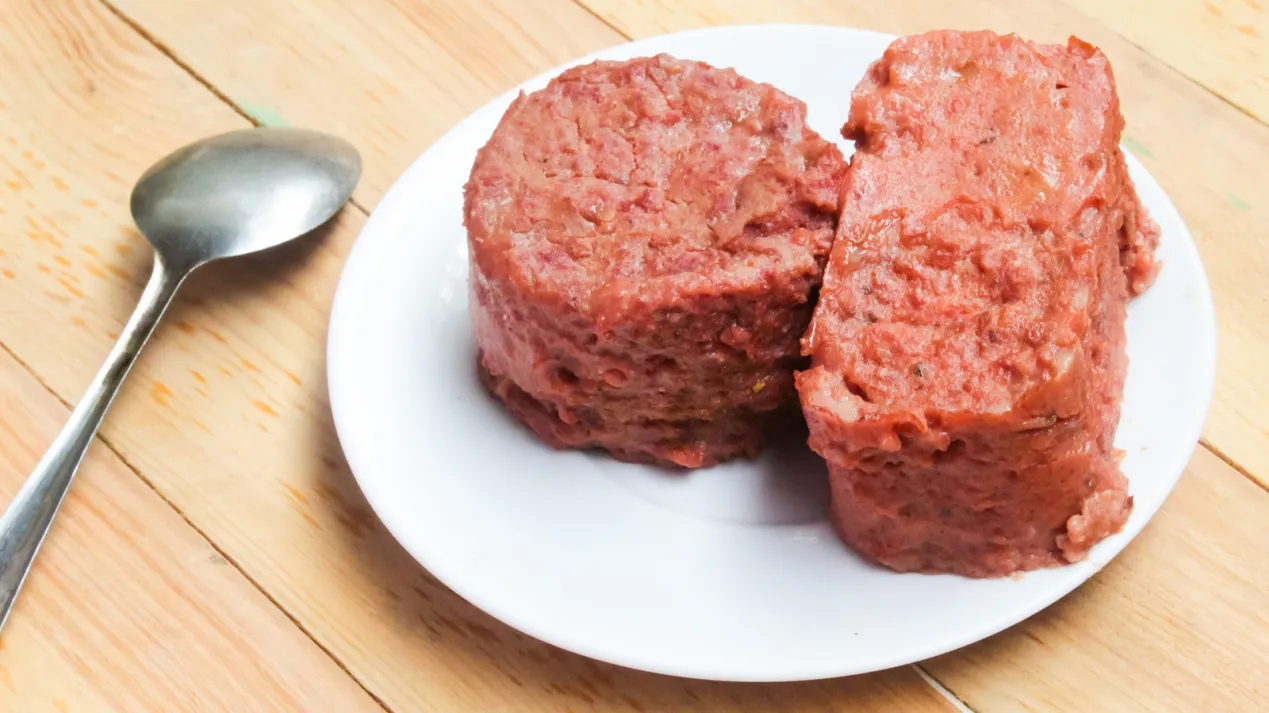
Restructured meat and ham products rely on the binding function of gelatin. After mixing meat pieces with liquid gelatin and cooling, the cohesive strength of gelatin gradually increases, forming a solid, elastic, and sliceable product form. Another practical technique is to blend dry gelatin powder directly with wet mixed meat material; during heating, the gelatin absorbs water around the meat particles, and upon cooling it solidifies and binds the meat pieces into a whole. In canned ham, this property is particularly critical—the exuded juices during cooking and sterilization are gelled by gelatin, preventing deterioration of product appearance and texture.
Core Advantages
First, significantly improved water-binding capacity and reduced cooking loss. Gelatin molecules capture large amounts of free water through capillary effects and three-dimensional network structures. After replacing part of the fat in beef patties with beef-hide gelatin, cooking loss was significantly reduced; the strong hydrophilicity and swelling behavior of the gel prevent water and fat from flowing out during heating.
Second, thermally reversible binding and texture regulation. The gel-melt transition of gelatin is reversible, meaning the product maintains its binding force during heating and regains its set upon cooling. For low-fat products, gelatin can to some extent compensate for the insufficient hardness and dry mouthfeel caused by fat reduction, helping the product maintain acceptable sliceability and chewiness.
Third, auxiliary antioxidant potential. The dense water-protein-fat matrix mediated by gelatin restricts the mobility of free water and fat, thereby indirectly inhibiting the generation and diffusion of free radicals. Sausages containing 3% gelatin showed relatively lower TBA values (a fat oxidation indicator) during refrigerated storage. However, this effect is auxiliary in nature; the core positioning of gelatin in meat products remains texture and water-binding functionality.
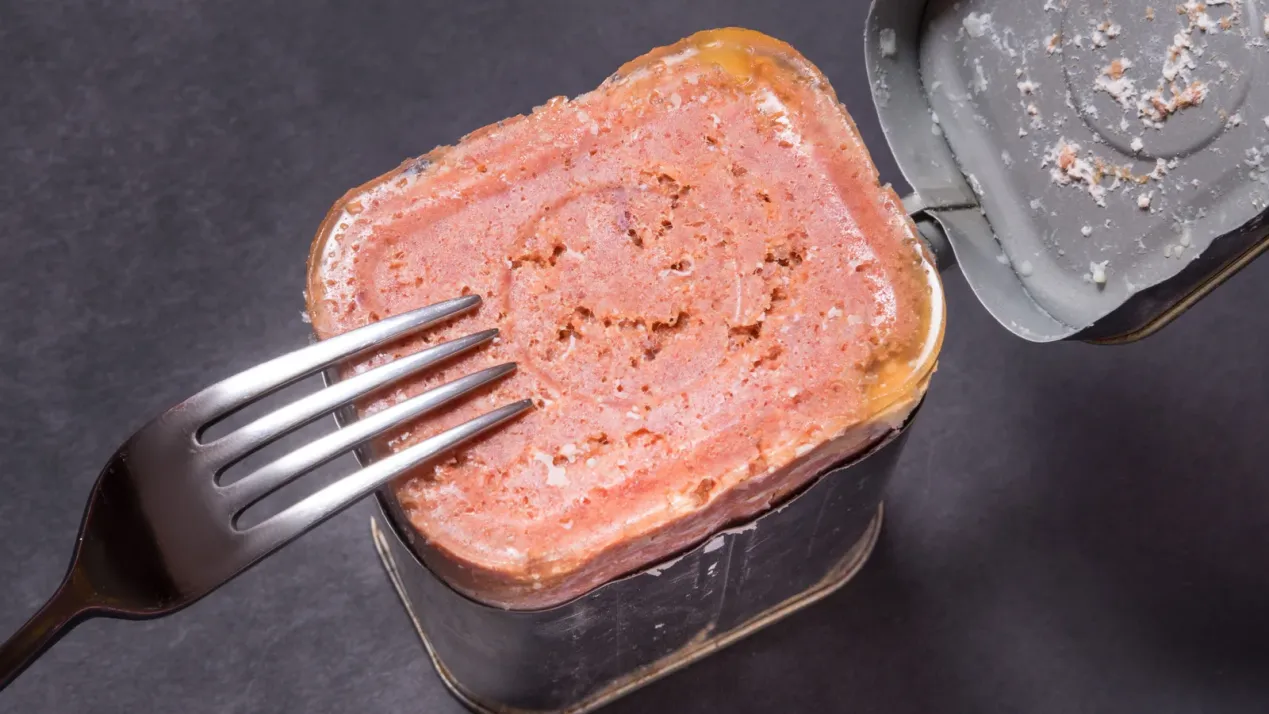
Choosing Nourisi® gelatin brings lower cooking loss and more stable yield to your meat products—its three-dimensional gel network firmly locks in water and fat, so sausages and hams lose less juice during heating and refrigerated storage. At the same time, the thermally reversible gel property gives the product reliable binding strength and sliceability, while low-fat formulations can still maintain a tender and springy texture. With stable batch consistency and full certifications, Nourisi® helps you make quality more stable and more worry-free.
Meat emulsion products are the area where gelatin is used most intensively. In emulsified meat products such as sausages and frankfurters, gelatin acts as a stabilizer to reduce th
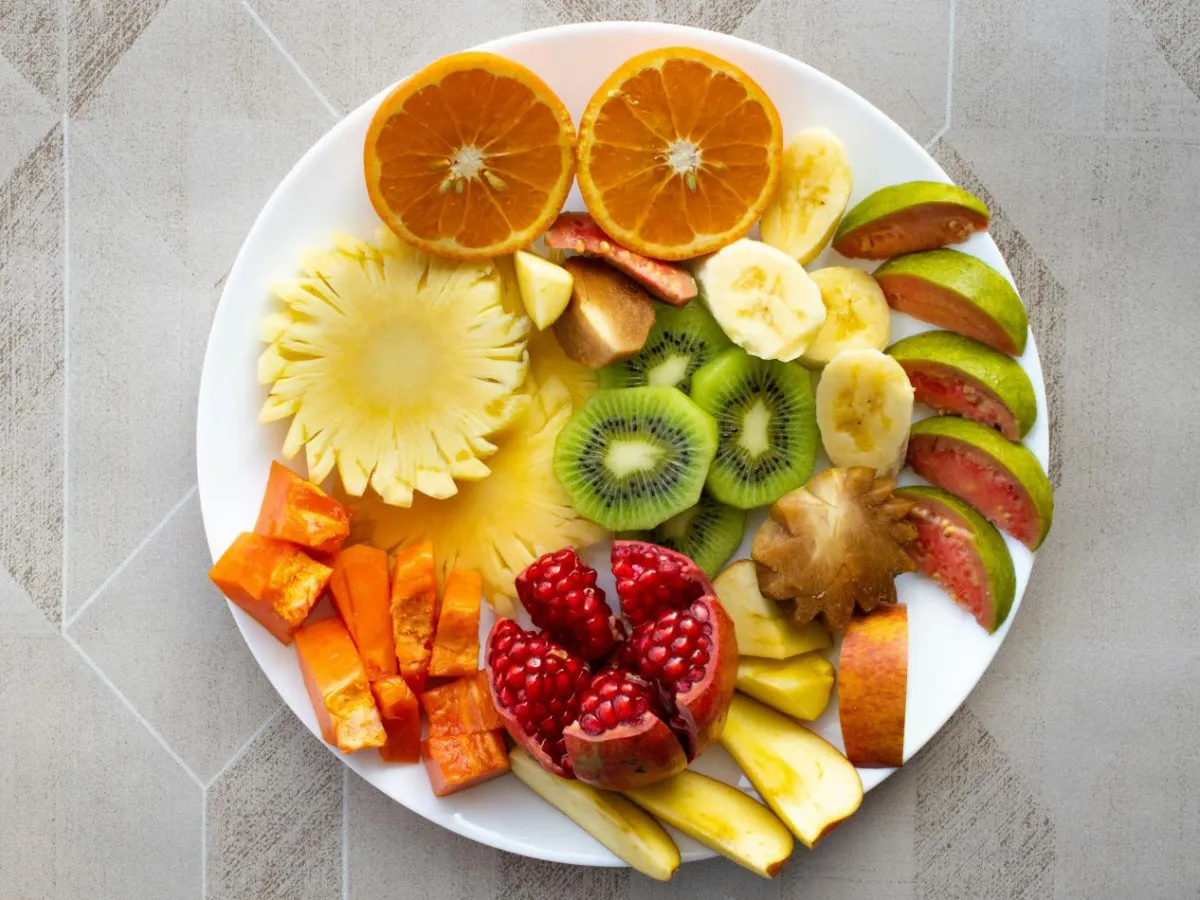
The truth is that HM pectin and LM pectin behave in opposite ways under acidic conditions — and understanding this difference is the key to avoiding costly formulation failures.
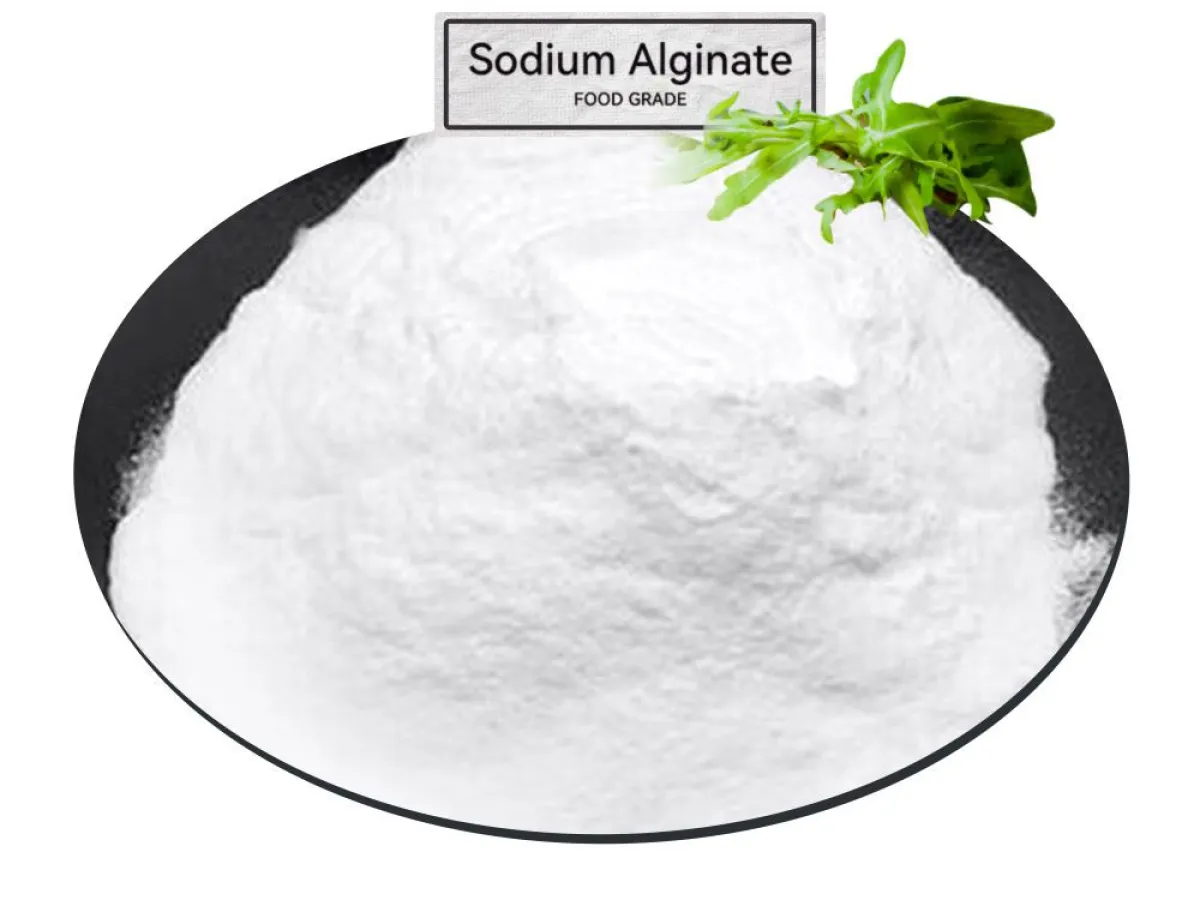
In ice cream mixes, sodium alginate is typically used at a dosage of 0.1%–0.3%. Once hydrated, it forms a network structure that binds free water, inhibiting the growth of ice crys

In practical application, the most intuitive value of welan gum lies in regulating the state of fresh concrete. In systems with high fluidity requirements such as self-compacting c
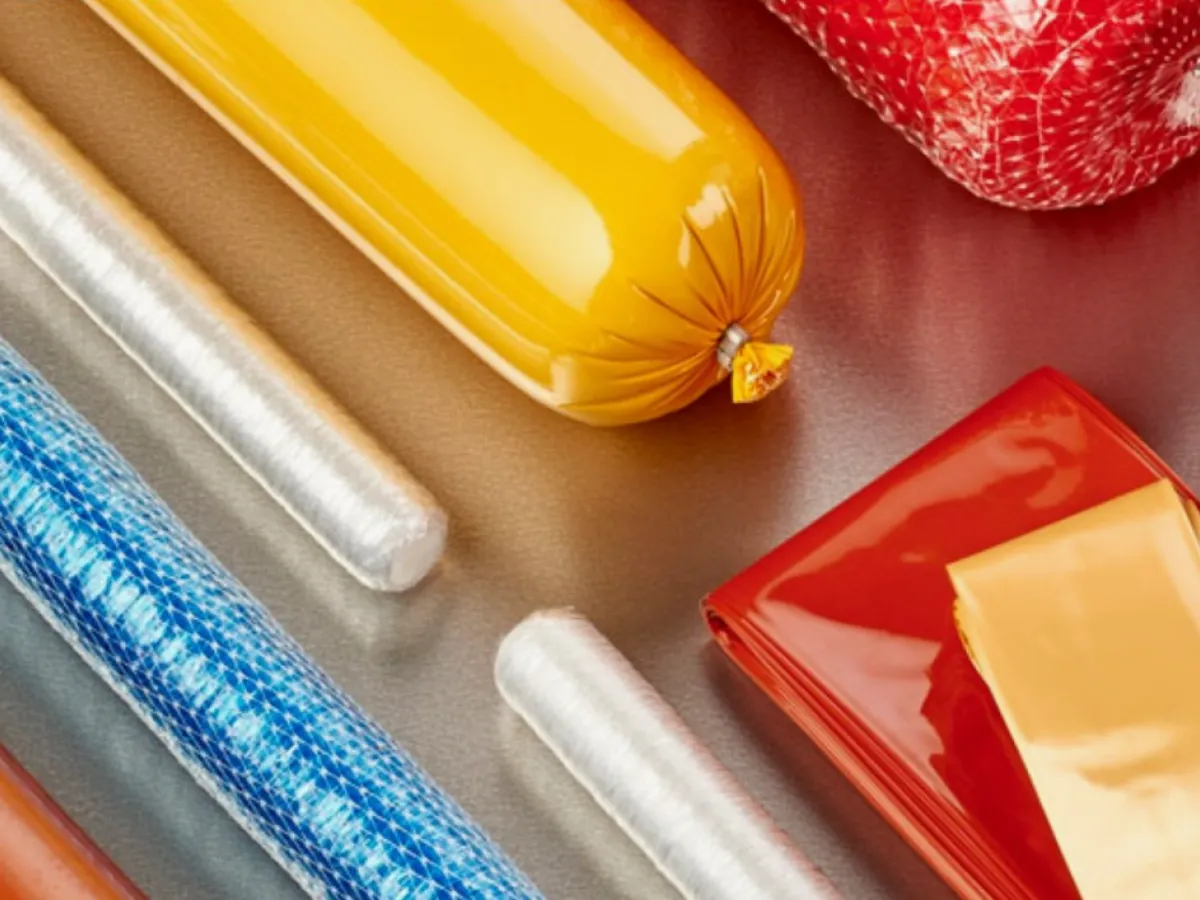
Collagen and plastic casings sit at opposite ends of the artificial casing spectrum. Collagen is protein-based, edible, and permeable to smoke and moisture. Plastic—most commonly p

As plant-based beverages, fruit drinks, and innovative gel-based products continue to expand, popping boba manufacturers face growing demands for attractive appearance, consistent
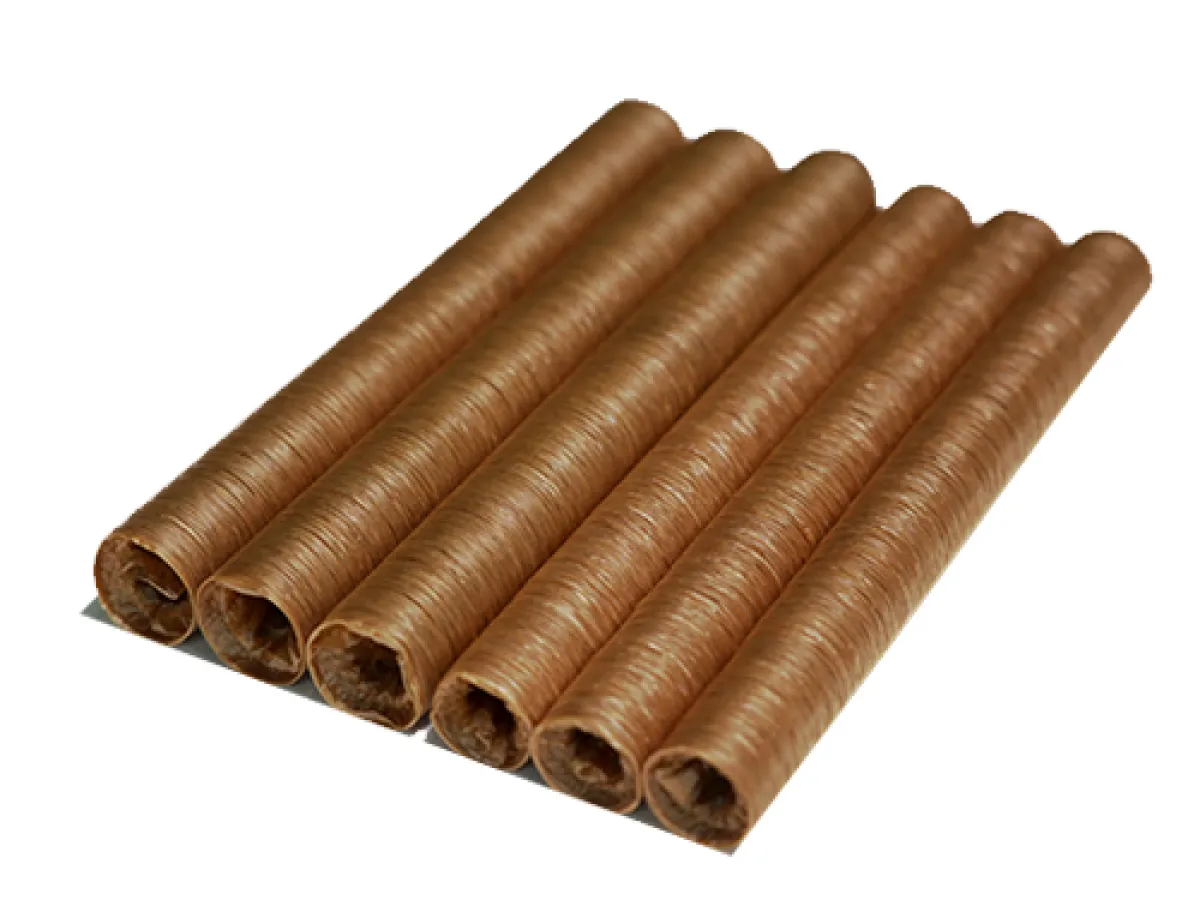
The global artificial casings market was valued at $4.95 billion in 2024 and is projected to reach $8.6 billion by 2035, growing at a CAGR of 5.1%—outpacing the overall sausage cas
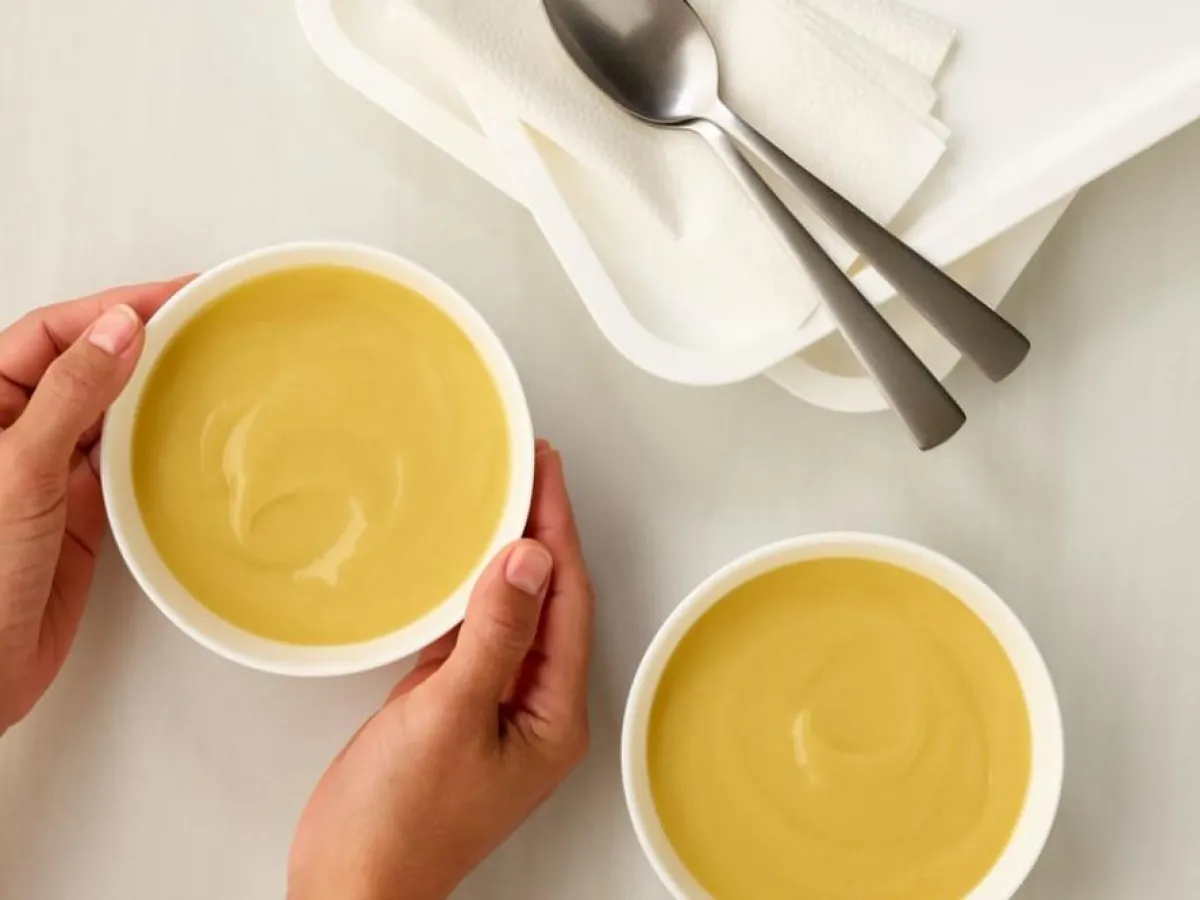
When developing thickened drinks and texturemodified foods, food manufacturers face more challenges than simply raising viscosity. Products must deliver uniform texture, acceptable
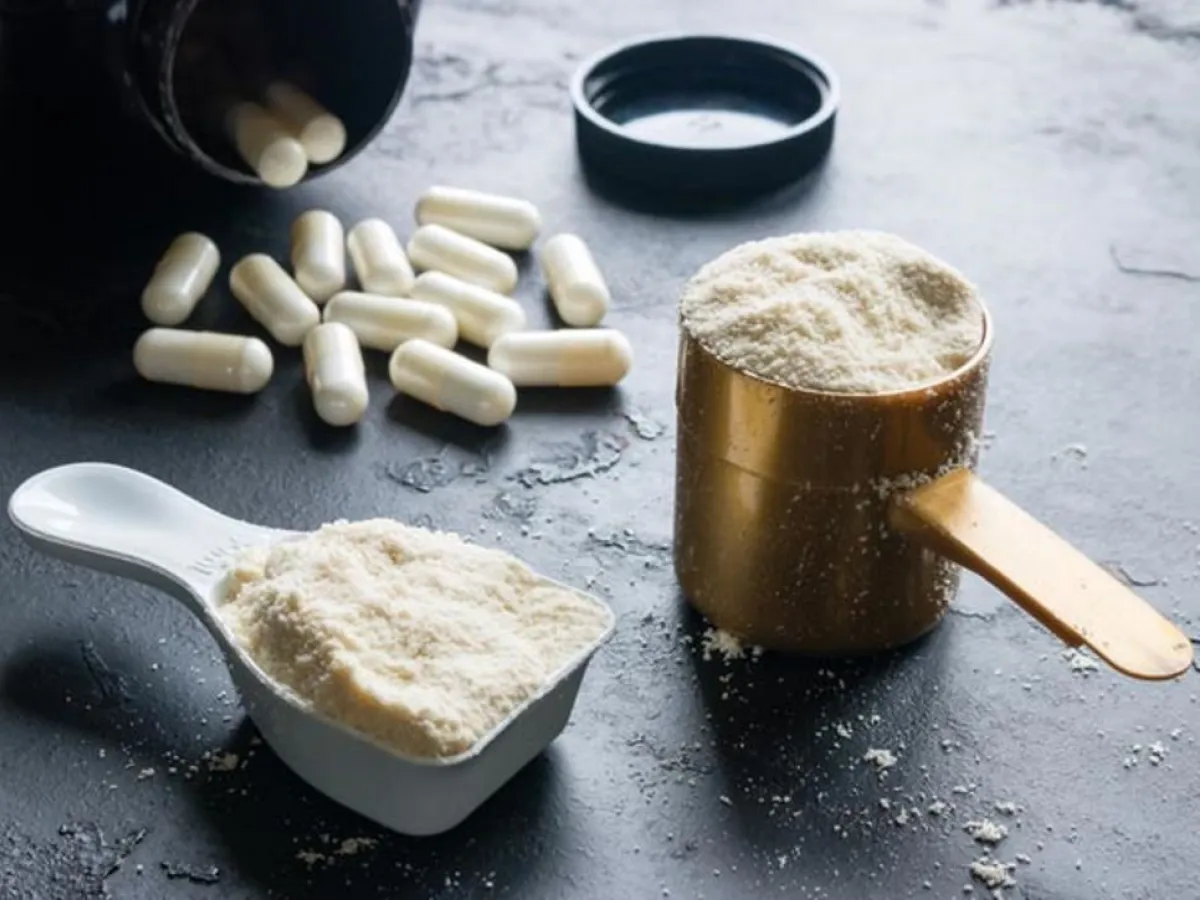
Upon contact with gastric acid, sodium alginate forms a gentle hydrogel that delays gastric emptying and prolongs the feeling of fullness. This helps stabilize post-prandial blood

Beauty beverages place demanding requirements on the solubility and sensory performance of raw materials. Nourisi® Tilapia Collagen Peptides have a viscosity of only 3–10 cP in a 1