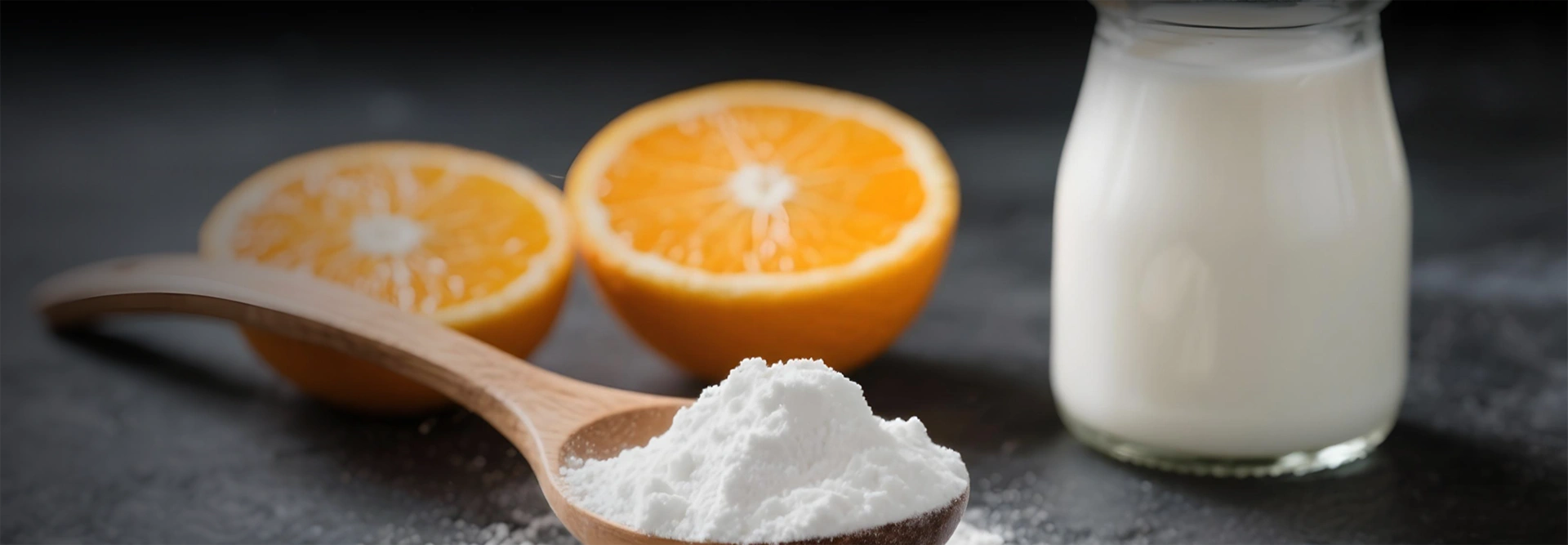
Every yogurt manufacturer knows the struggle. How do you produce a stable, smooth yogurt that consumers love, without driving up ingredient costs? Whey separation, rough texture, and poor mouthfeel are persistent problems that directly affect product acceptance.
Gellan gum offers a clear solution. As a highly efficient microbial polysaccharide, its core advantage is simple: it delivers significant quality improvement at extremely low usage levels.
Gellan gum enhances yogurt quality by improving the gel network structure. It forms a composite gel with casein, filling gaps in the protein network to create a more compact structure. At the same time, it significantly improves water-holding capacity, locking moisture firmly within the gel network to effectively prevent whey separation.
Importantly, gellan gum does not interfere with the fermentation process — pH and acidity levels remain unchanged by its addition, and lactic acid bacteria activity is not affected.
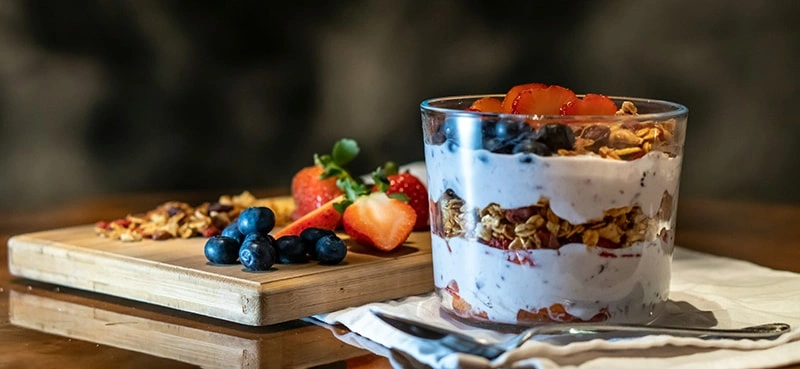
Gellan gum's most compelling cost advantage is its extremely low usage level. Different yogurt types require different textures, and the optimal dosage varies accordingly.
For set yogurt, research shows that High Acyl gellan gum at 0.03%–0.08% effectively improves texture and prevents whey separation.
For drinking yogurt, the recommended usage is even lower. Studies indicate that 0.01%–0.05% gellan gum provides excellent suspension stability while maintaining a smooth, pourable texture.
For example, a 2025 study published in NIH research on egg-based yogurt found that just 0.045% gellan gum achieved the best sensory quality — with a sensory score of 83.57, compared to only 61.92 for the control group with no gellan gum added. The difference is striking.
Compared to traditional stabilizers, gellan gum's core advantage lies in low dosage with high performance. Industry application data shows that gellan gum typically requires only one-third to one-half the usage level of agar or carrageenan — generally around 0.05% is sufficient to form a stable gel network. In practice, this translates to significantly lower ingredient costs for achieving the same effect.
|
Comparison Dimension |
Gellan Gum |
Other Common Stabilizers |
|
Typical usage level |
0.02%–0.08% |
0.1%–0.3% or higher |
|
Mouthfeel impact |
Clean, good flavor release |
May add heaviness or viscosity |
|
Process compatibility |
Heat- and acid-stable, broad application range |
Some products sensitive to pH/calcium |
Research on soy yogurt further confirms: 0.1% Low Acyl gellan gum significantly improves water-holding capacity, gel strength, and viscosity with acceptable sensory quality.
Cost = Unit Price × Usage Level + Processing Loss.
Gellan gum's unit price may seem high — food-grade gellan gum is currently priced at approximately RMB 150–188/kg — but its usage level is only 0.02%–0.08%. Based on current market prices, the cost of gellan gum per ton of yogurt is approximately RMB 30–150.
In comparison, other stabilizers typically require 0.1%–0.3% or even higher to achieve similar results. Although gellan gum has a higher unit price, its significantly lower usage level keeps the overall cost competitive.
Additionally, gellan gum's excellent heat and acid resistance allows it to withstand pasteurization and fermentation acidity without requiring process adjustments, further reducing production waste and trial costs.
|
Yogurt Type |
Recommended Gellan Gum Type |
Recommended Dosage |
Key Benefits |
|
Set yogurt |
High Acyl |
0.03%–0.08% |
Smooth, elastic gel; prevents whey separation |
|
Drinking yogurt |
Low Acyl |
0.01%–0.05% |
Suspension stability; clean, refreshing mouthfeel |
|
Soy yogurt (example) |
Low Acyl |
~0.1% |
Improved gel strength and stability |
Important note: Optimal dosage depends on your specific formulation (fat content, protein content, target texture) and processing conditions. We recommend starting with laboratory-scale trials before scaling up.
In the international food and dietary supplement industries, sodium alginate and carrageenan are two widely used seaweed-derived hydrocolloids. Despite their shared origin, the und

In oil and gas drilling operations, the prosperity of a drilling process heavily depends on the rheological properties and filtration behavior of drilling fluids . Uncontrolled flu
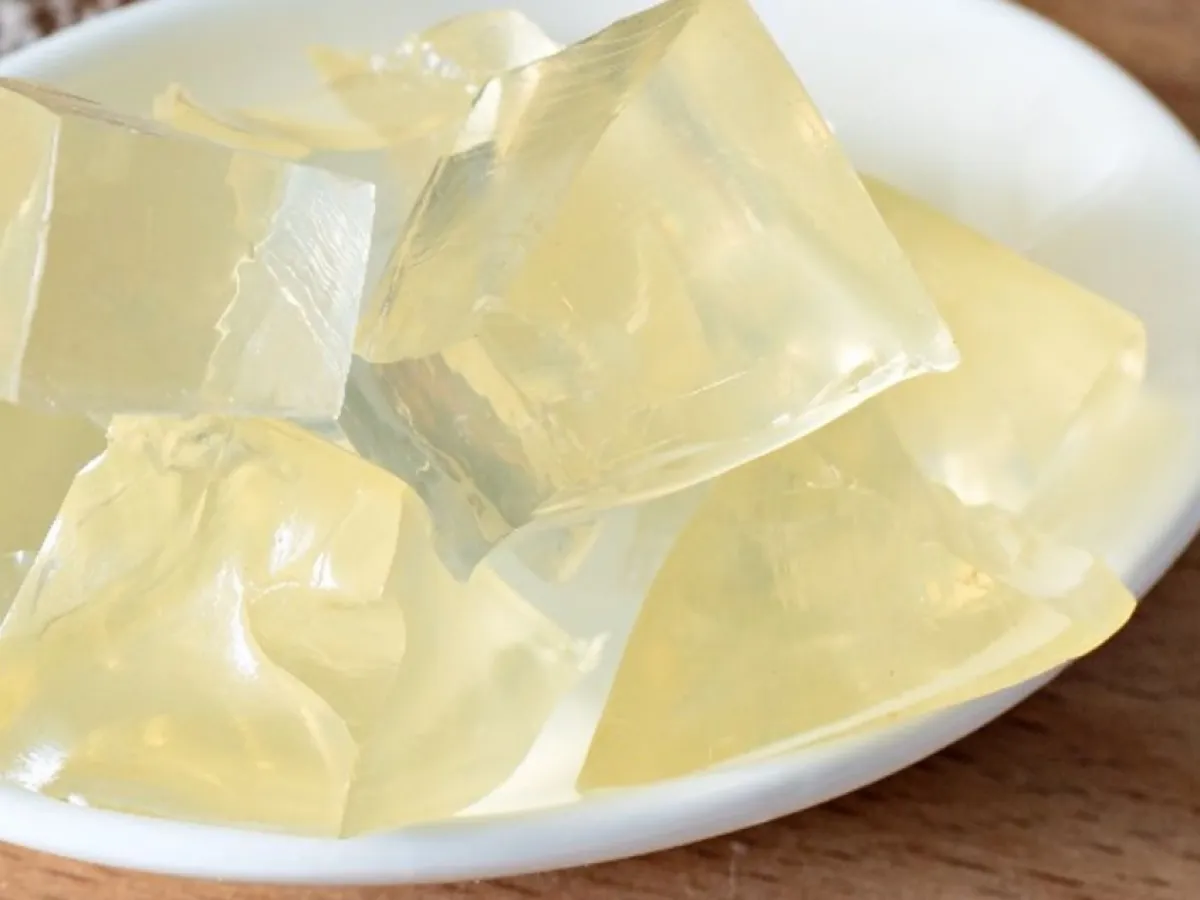
The first step in making gelatin gummies is to allow the gelatin to fully hydrate. Gelatin does not dissolve in cold water, but it can absorb water and swell in cold water. This pr
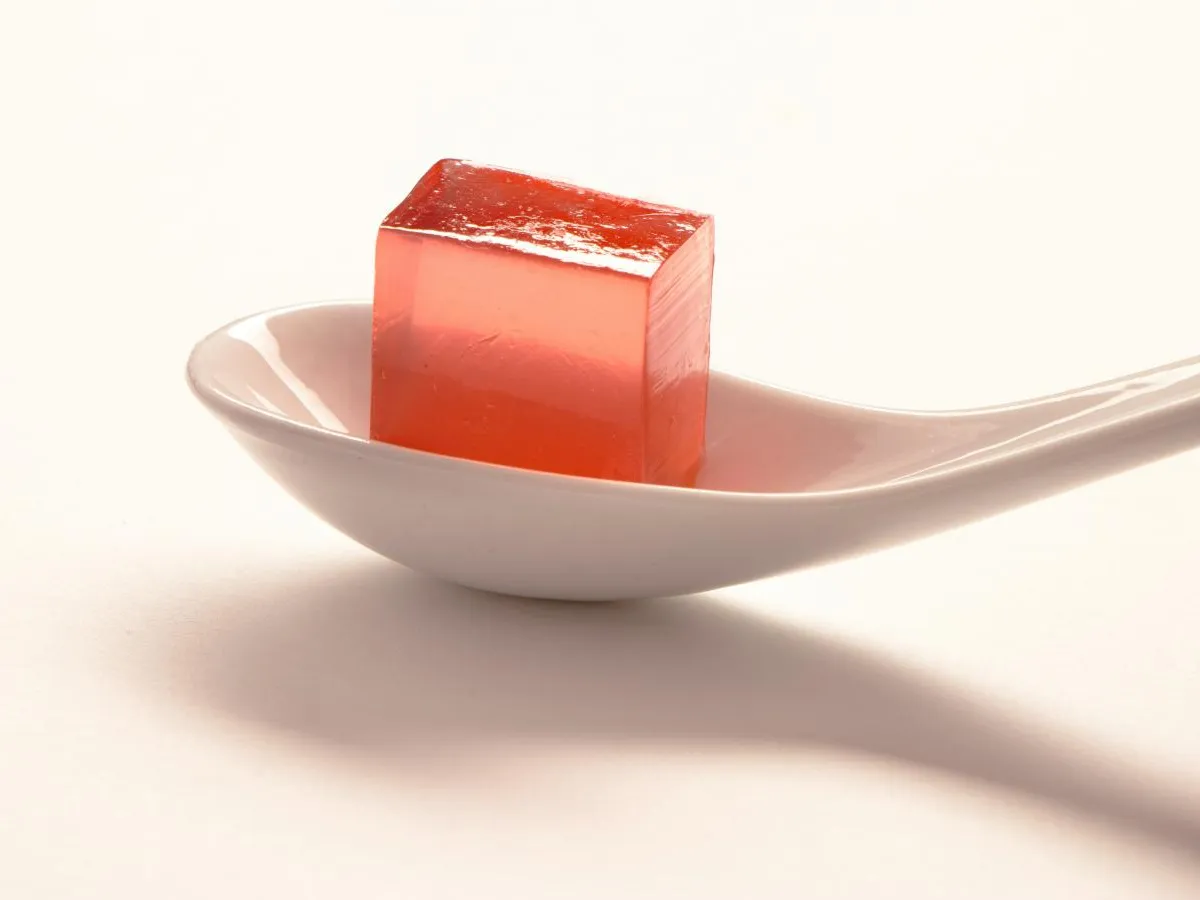
The key difference? Gelatin is a protein from animal collagen; agar is a carbohydrate from red algae.This fundamental distinction drives every other difference between them — and d

In the papermaking industry, modified starch is one of the core additives. Oxidized starch, cationic starch, and esterified starch are mainly used for surface sizing, internal sizi
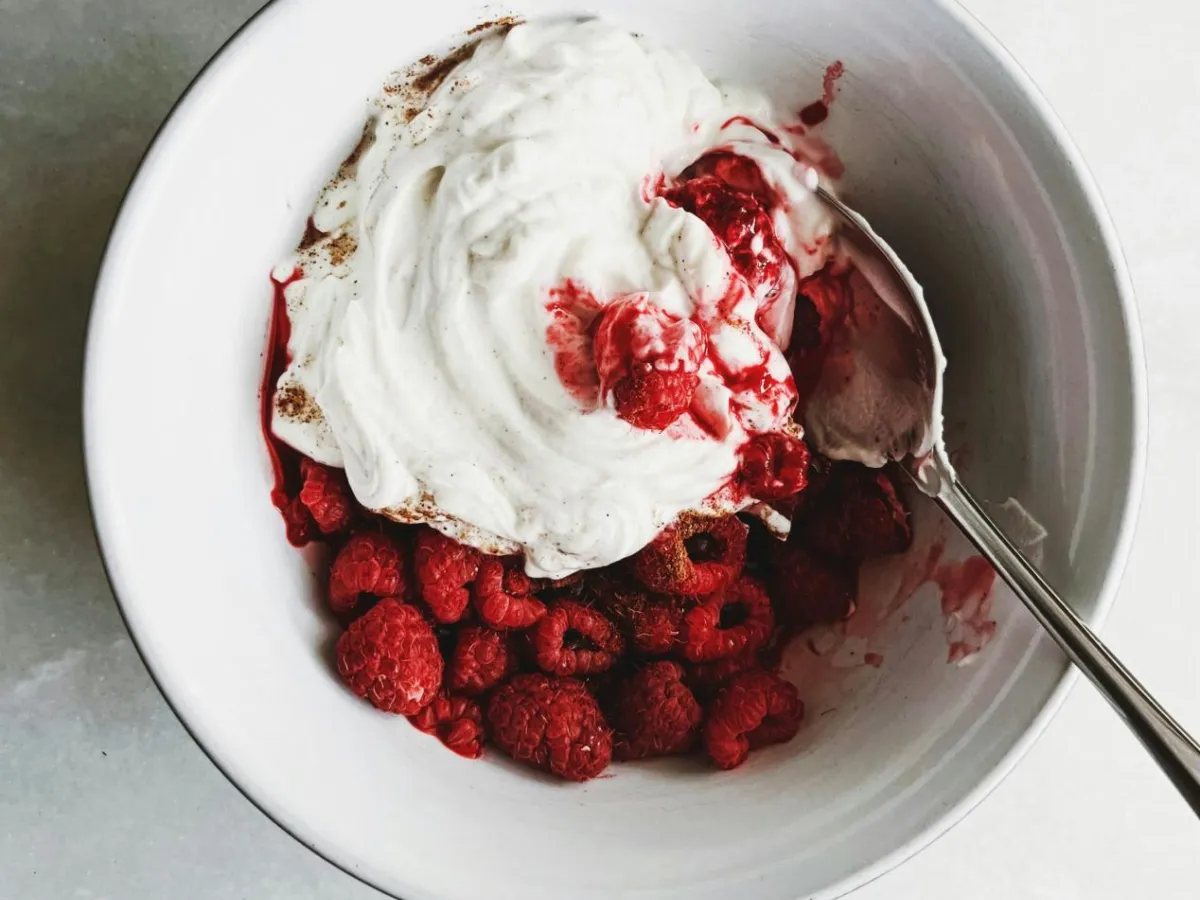
The adoption of pectin in yogurt is not just anecdotal. According to market data, more than half of all new spoonable yogurt launches now contain pectin. This widespread acceptance
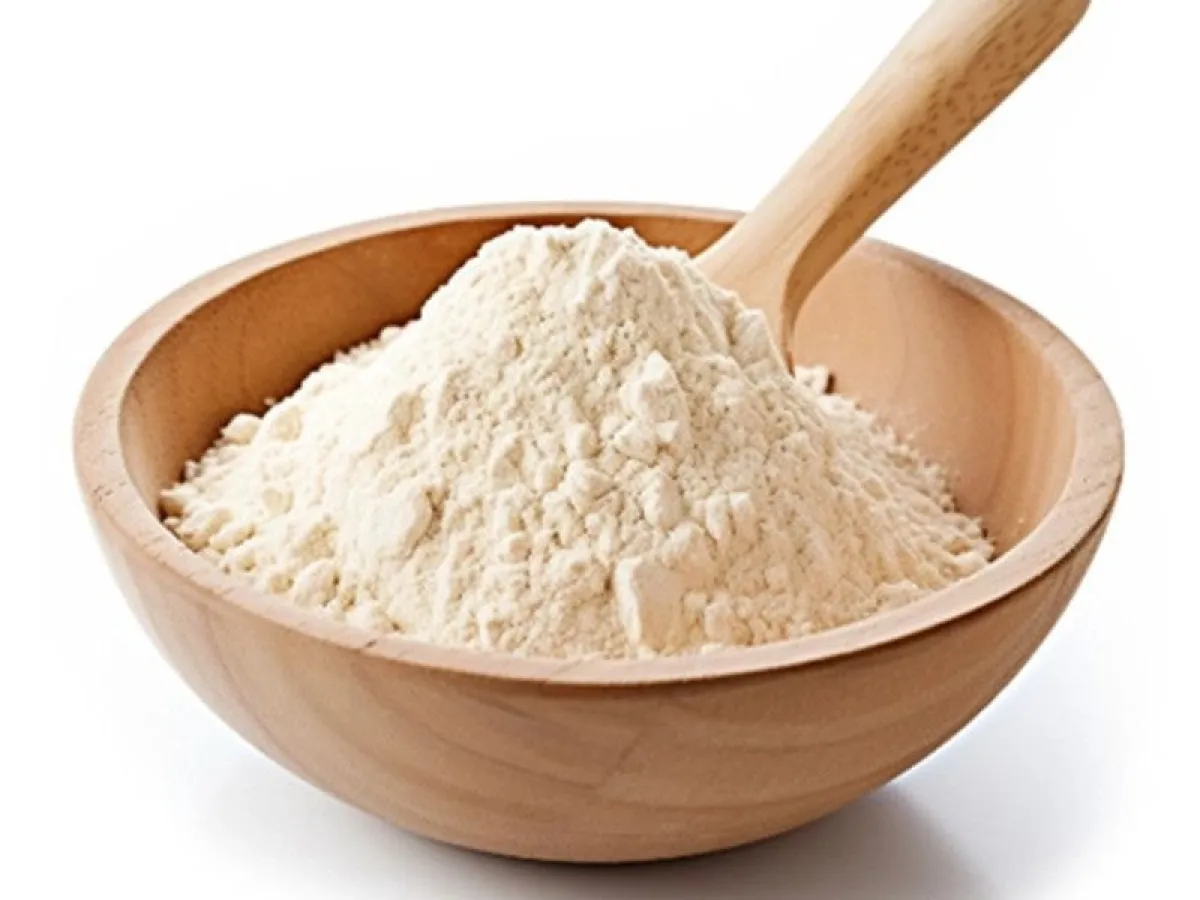
High concentrations of protein ingredients inherently carry a heavy, powdery mouthfeel and astringent notes. The key application detail of gelatin lies in its thermally reversible
Today, vegan gummies are one of the fastest-growing segments in confectionery. And at the center of this shift stands pectin – a plant-derived hydrocolloid that is proving to be mo
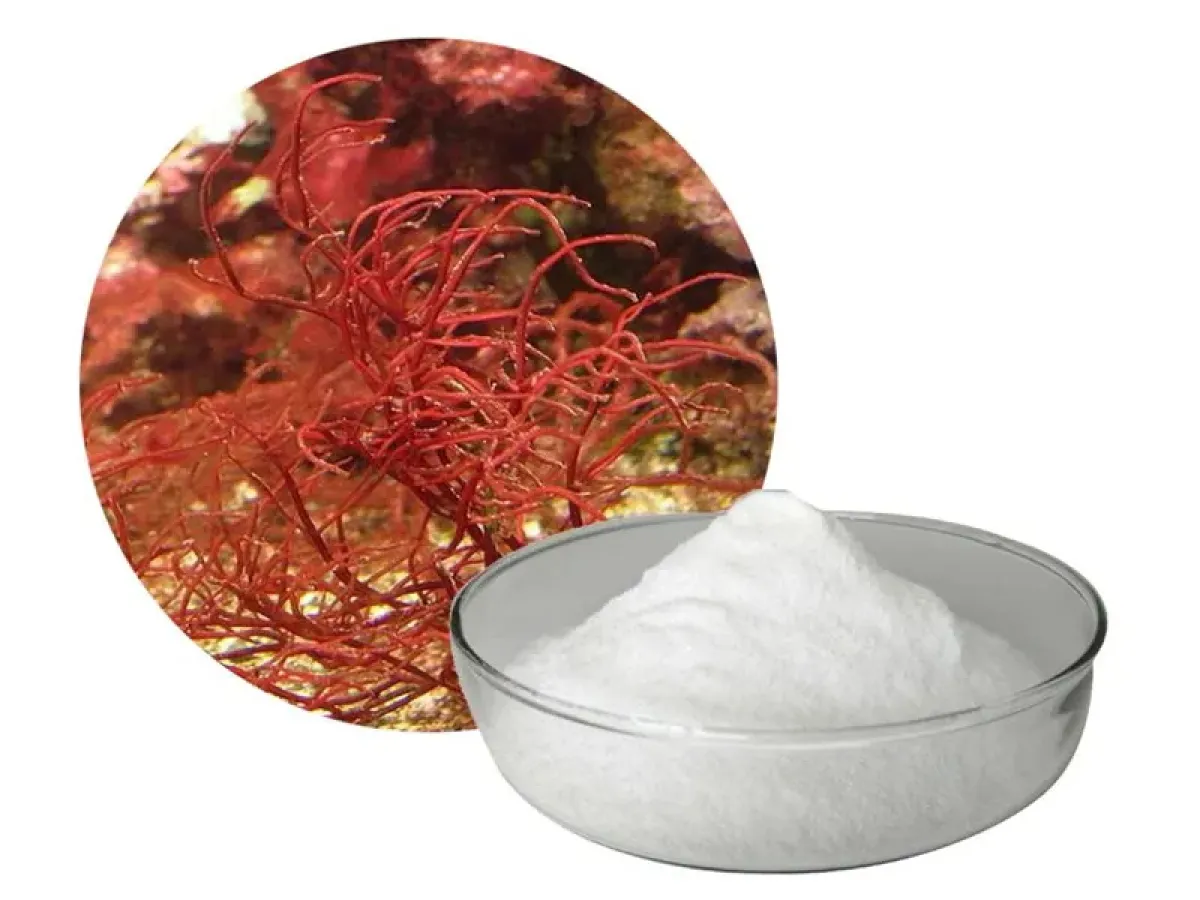
From a physicochemical perspective, carrageenan possesses unique solubility, dissolving in hot water at around 80°C to form a viscous, transparent solution, but insoluble in cold w
The primary role of CMC in toothpaste is to provide the desired texture, consistency, and stability. Specifically, it performs the following critical functions: