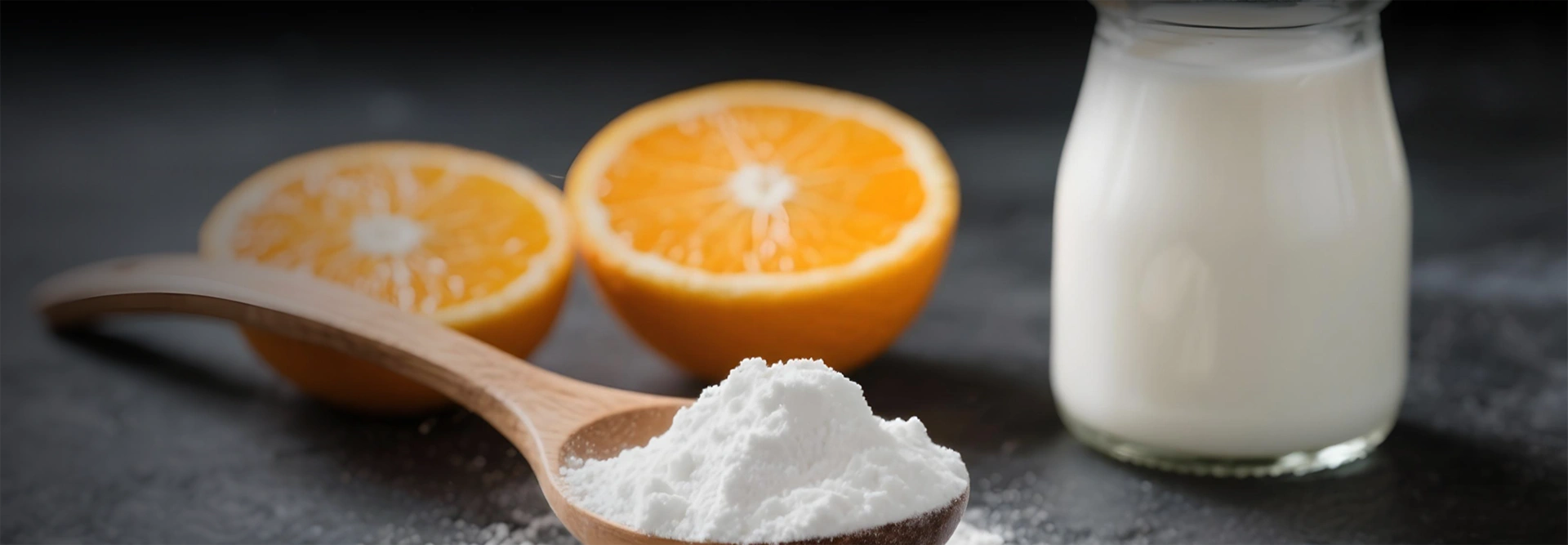
Every gummy manufacturer knows the frustration. Your product leaves the factory in perfect condition, but by the time it reaches a retail shelf in a warm climate, it has softened, deformed, or even melted into a sticky mess.
The culprit? Gelatin.
Gelatin has been the industry standard for decades, but its melting point sits around 30°C – only slightly above typical room temperature. In summer heat or during shipping to tropical markets, gelatin-based gummies lose their shape, stick to packaging, and disappoint consumers.
This is where gellan gum changes the game.
Gellan gum is a microbial polysaccharide produced through fermentation. It forms gels that remain stable at temperatures well above what gelatin can withstand. While gelatin-based gummies begin deforming at 36–38°C, formulations incorporating gellan gum can maintain their shape at 44°C for up to five hours or longer.
This heat stability translates directly into business value:
1.Extended distribution reach into hot-climate markets
2.Reduced returns and customer complaints during summer months
3.Longer shelf life without quality degradation
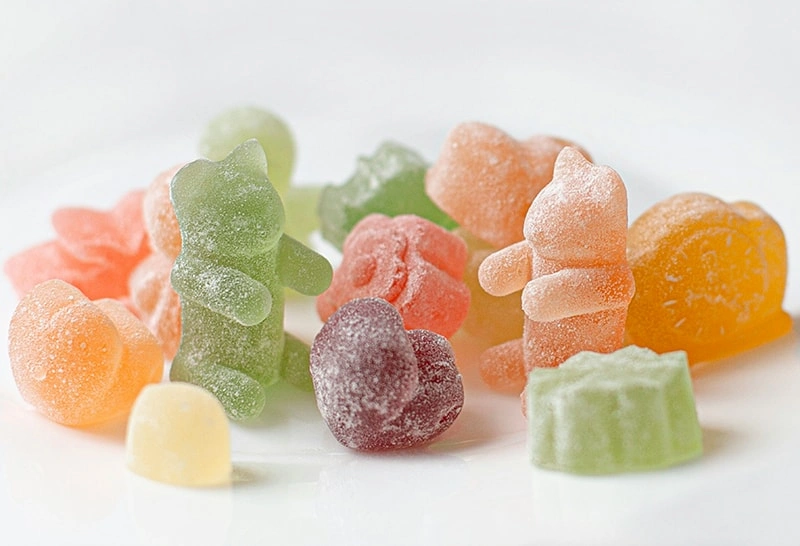
A head-to-head comparison of different gelling systems reveals exactly what gellan gum brings to the table.
Heat stability is where gellan gum shines. At 40°C, gelatin-based gummies soften and deform, while gellan gum formulations hold their shape with no visible change. This is not a marginal improvement – it is a fundamental difference in performance.
Flavor release is another distinct advantage. Gellan gum creates a weak gel network that allows for a rapid burst of flavor upon biting. This is especially valuable in fruit-flavored and sour gummies where consumers expect immediate impact.
Texture can be precisely tuned depending on which type of gellan gum you choose. High Acyl gellan gum produces soft, elastic, non-brittle gels – ideal for a chewy, gelatin-like mouthfeel. Low Acyl gellan gum creates firm, brittle, transparent gels – perfect for clear fruit jellies and confectionery requiring a clean bite.
Formulation Approaches
A combination of High Acyl and Low Acyl gellan gum can produce excellent results. For example, a blend of 0.55% High Acyl and 0.1% Low Acyl gellan gum creates a firm exterior with a soft interior, delivering the texture consumers expect from premium gummies.
Gellan gum works synergistically with other ingredients. Research shows that combining gellan gum with carrageenan can produce gummy products with acceptable firmness, springiness, and resiliency when properly formulated, often at combined usage levels significantly lower than gelatin alone.
For manufacturers transitioning away from gelatin, a mixed gel system combining gelatin, gellan gum, pectin, and modified starch can improve heat resistance compared to gelatin alone, while maintaining familiar textural properties.
One of the most compelling economic arguments for gellan gum is its efficiency. While gelatin may require 5% or more in a formulation, gellan gum achieves its effects at 0.1% to 1.6% depending on the target texture. A typical acidic soft gel formula uses just 0.3% gellan gum.
Even for manufacturers who choose to blend gellan gum with other hydrocolloids for cost optimization, the usage level remains remarkably low.
Beyond performance, gellan gum offers a compelling positioning advantage. With consumer demand for plant-based options continuing to rise, the ability to label products as gelatin-free and vegan opens doors to a growing market segment.
Gellan gum also naturally qualifies for Halal and Kosher certification without complex processing – an important consideration for brands targeting international markets.
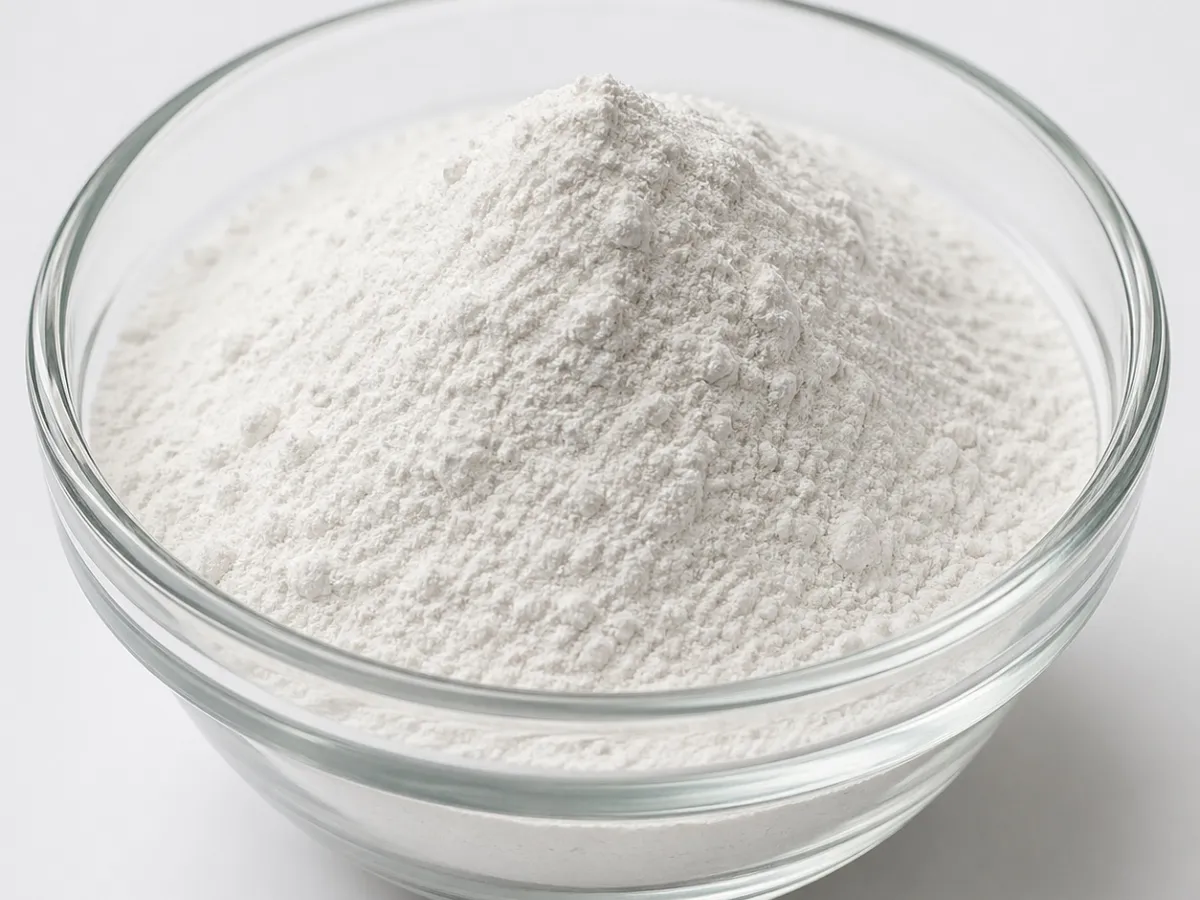
In the international food and dietary supplement industries, sodium alginate and carrageenan are two widely used seaweed-derived hydrocolloids. Despite their shared origin, the und

In oil and gas drilling operations, the prosperity of a drilling process heavily depends on the rheological properties and filtration behavior of drilling fluids . Uncontrolled flu
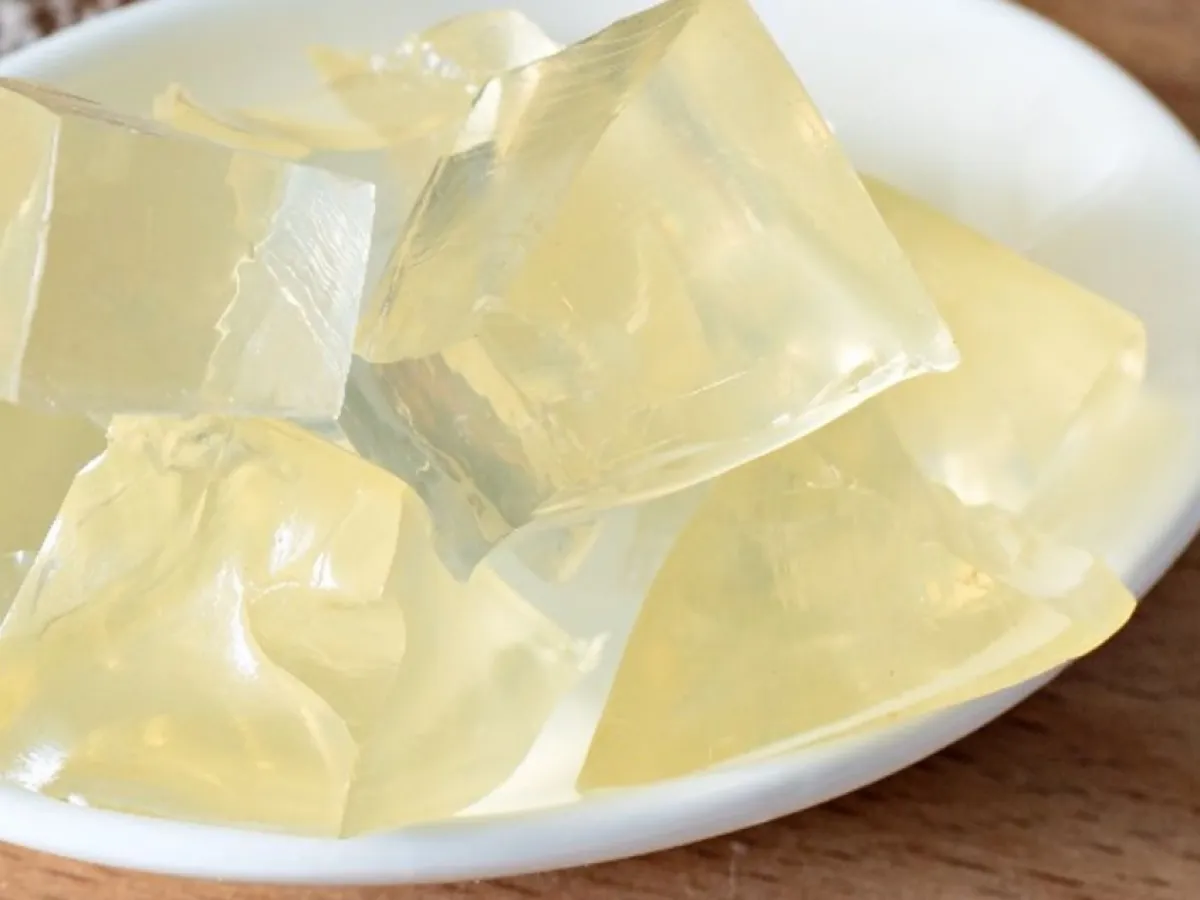
The first step in making gelatin gummies is to allow the gelatin to fully hydrate. Gelatin does not dissolve in cold water, but it can absorb water and swell in cold water. This pr
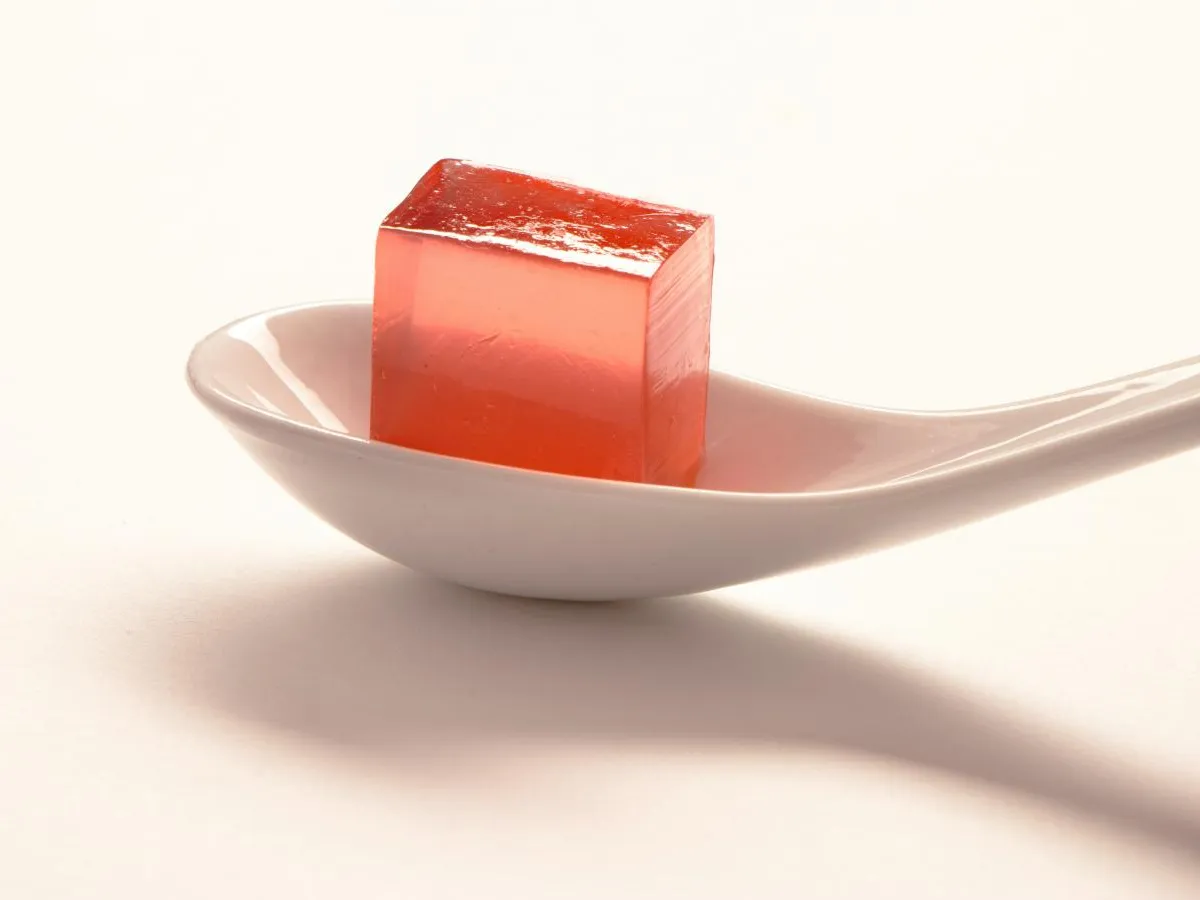
The key difference? Gelatin is a protein from animal collagen; agar is a carbohydrate from red algae.This fundamental distinction drives every other difference between them — and d

In the papermaking industry, modified starch is one of the core additives. Oxidized starch, cationic starch, and esterified starch are mainly used for surface sizing, internal sizi
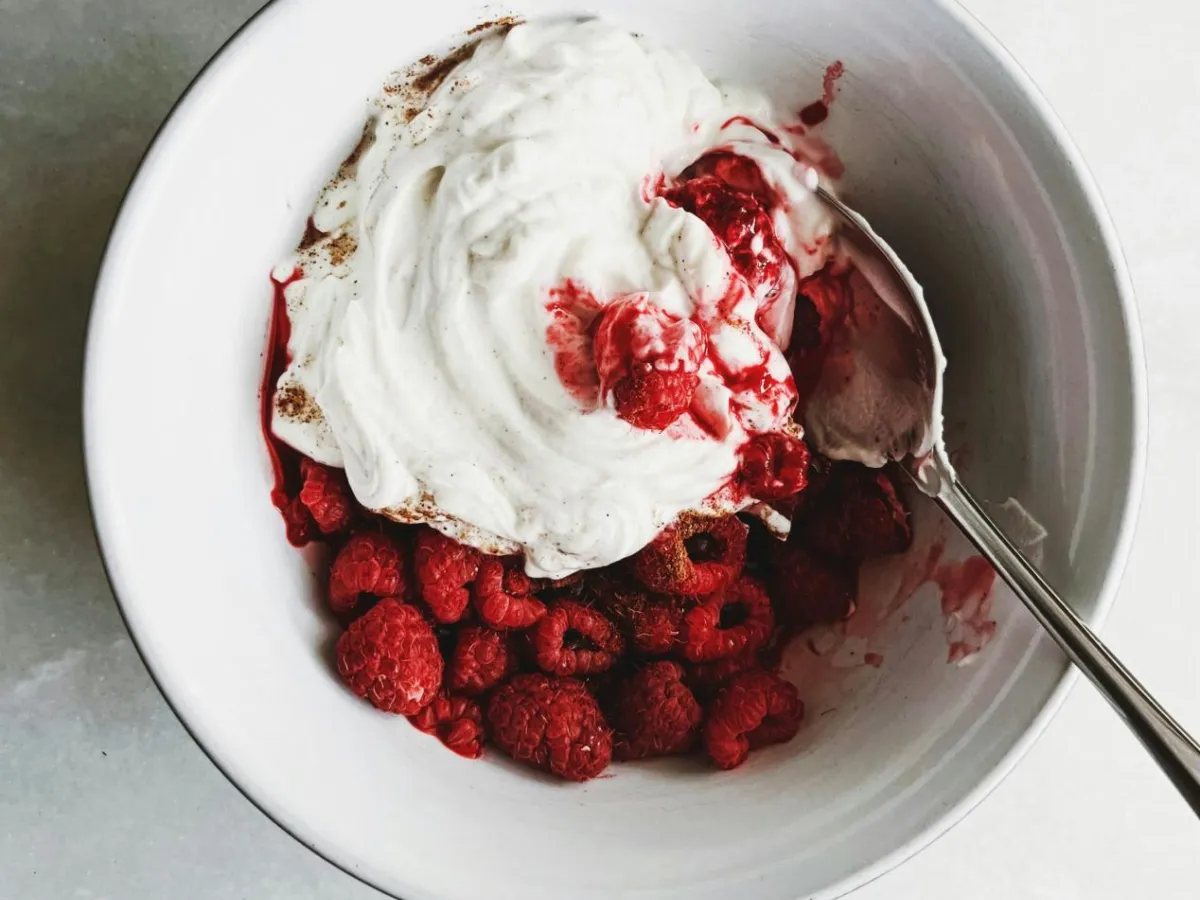
The adoption of pectin in yogurt is not just anecdotal. According to market data, more than half of all new spoonable yogurt launches now contain pectin. This widespread acceptance
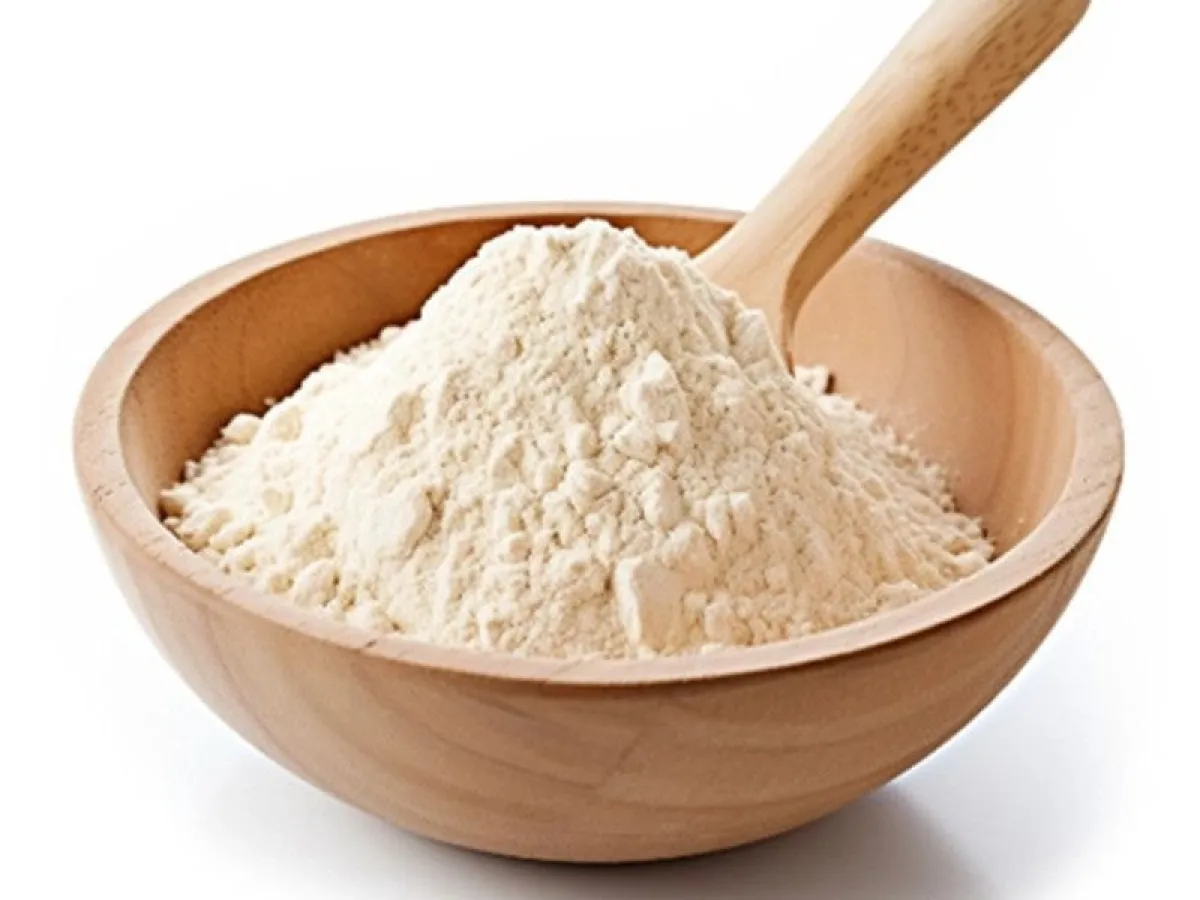
High concentrations of protein ingredients inherently carry a heavy, powdery mouthfeel and astringent notes. The key application detail of gelatin lies in its thermally reversible
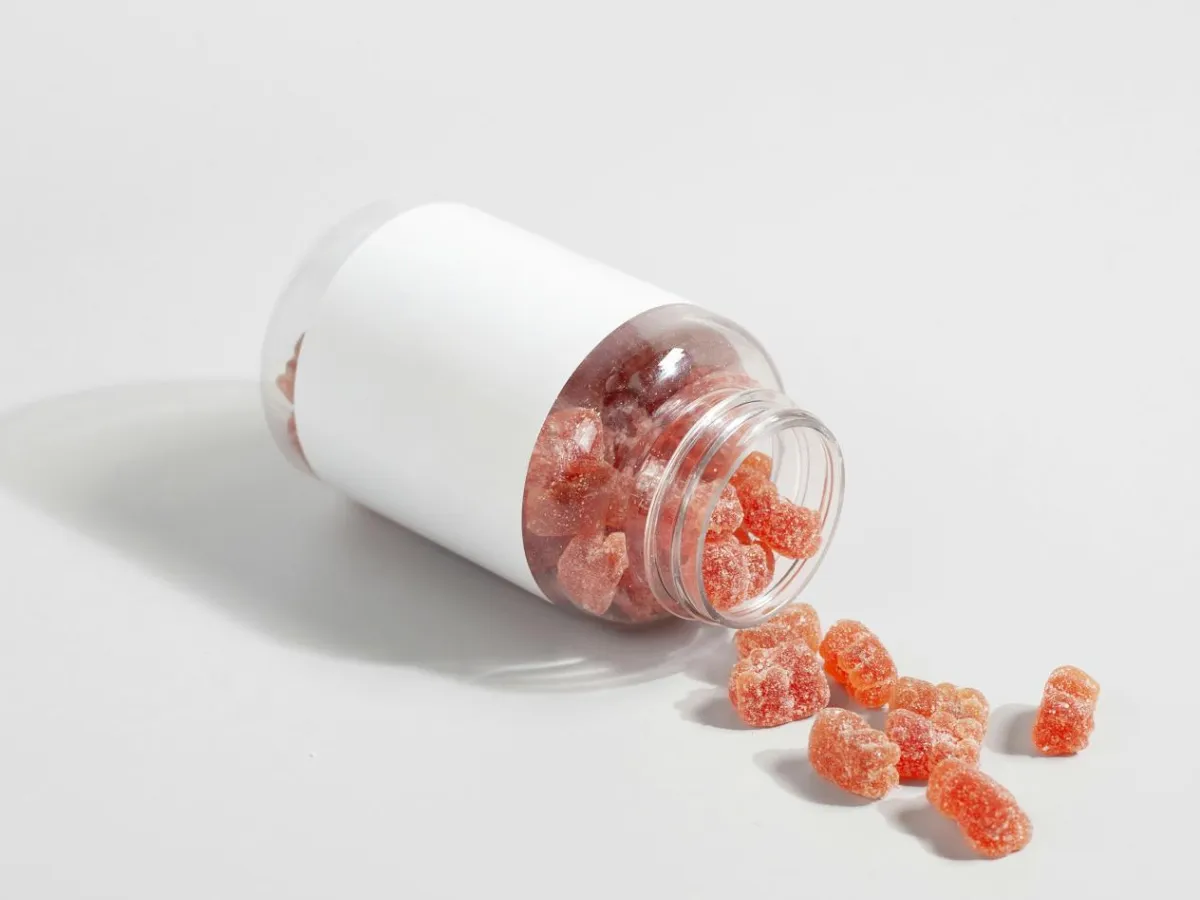
Today, vegan gummies are one of the fastest-growing segments in confectionery. And at the center of this shift stands pectin – a plant-derived hydrocolloid that is proving to be mo
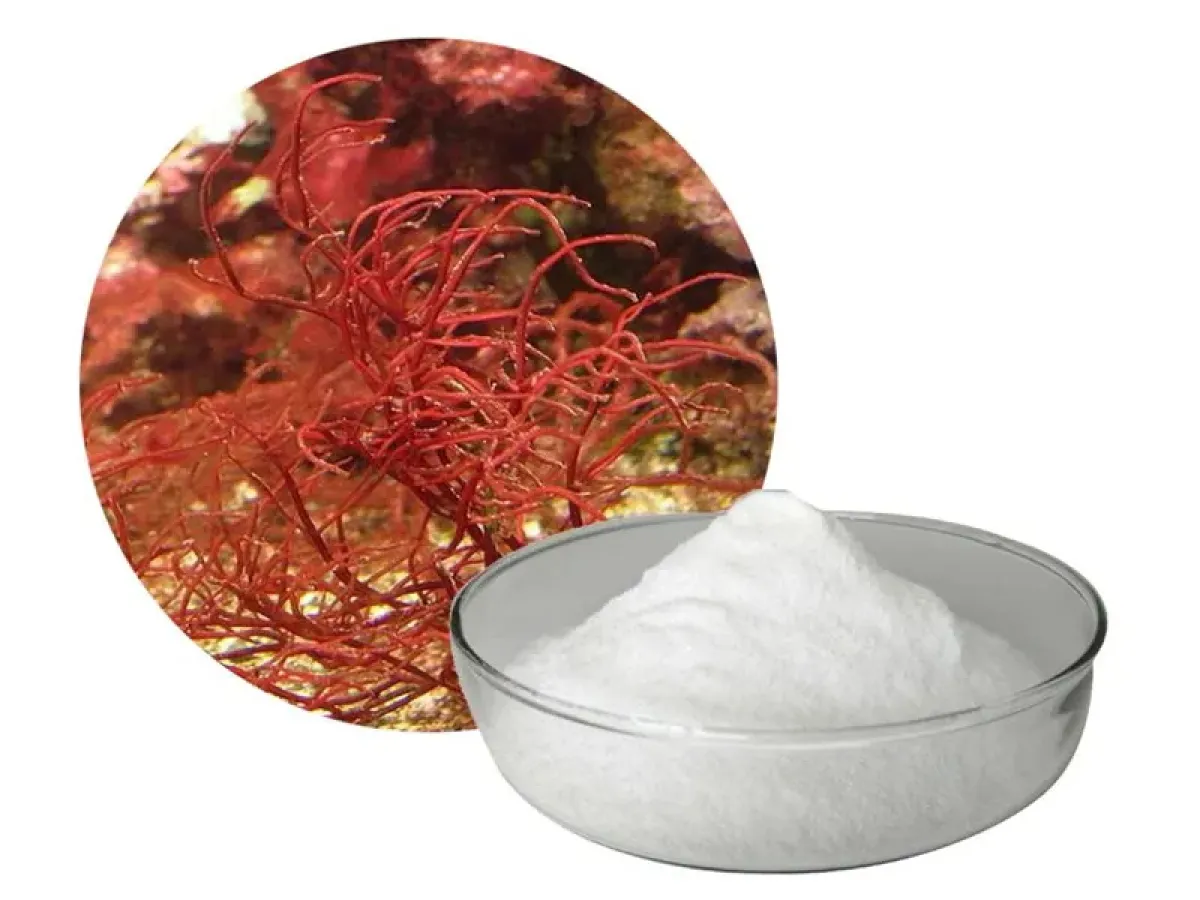
From a physicochemical perspective, carrageenan possesses unique solubility, dissolving in hot water at around 80°C to form a viscous, transparent solution, but insoluble in cold w
The primary role of CMC in toothpaste is to provide the desired texture, consistency, and stability. Specifically, it performs the following critical functions: