Introduction
Sausage casings play a critical role in defining the quality, appearance, and eating experience of sausage products. The choice between natural and collagen casings is one of the most consequential decisions in sausage production, affecting everything from production efficiency to consumer perception .
Natural casings have been used for centuries and are often considered the "gold standard" in sausage production due to their desirable tenderness and high permeability to both moisture and smoke . Collagen casings, first developed in 1925 and commercially introduced in 1930, emerged as an alternative to address the limited supply and higher cost of natural casings . Today, manufactured collagen casings account for approximately 80% of all edible casings in the market .
What Are Natural Casings?
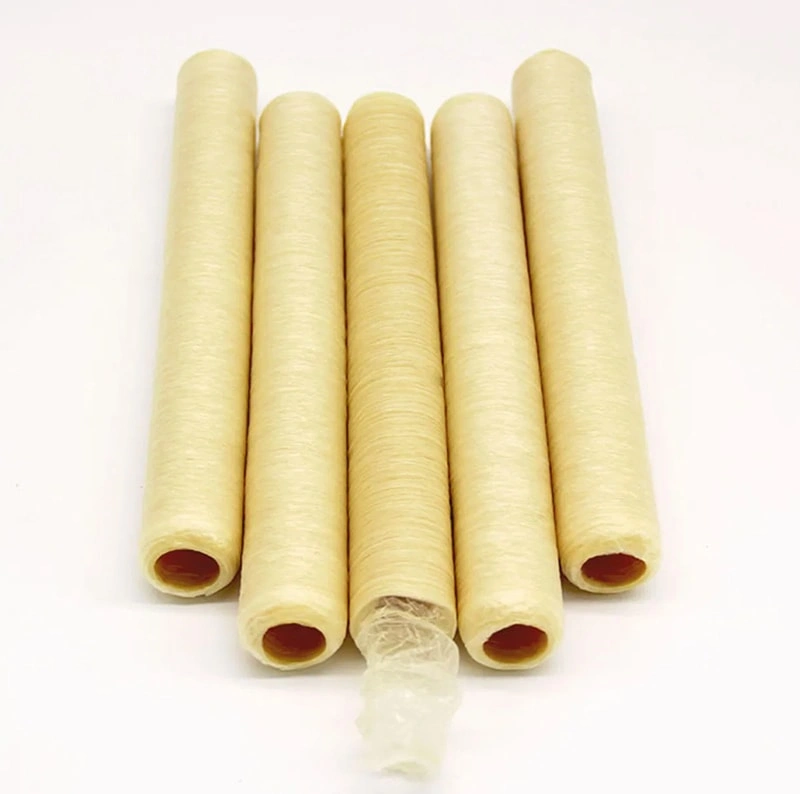
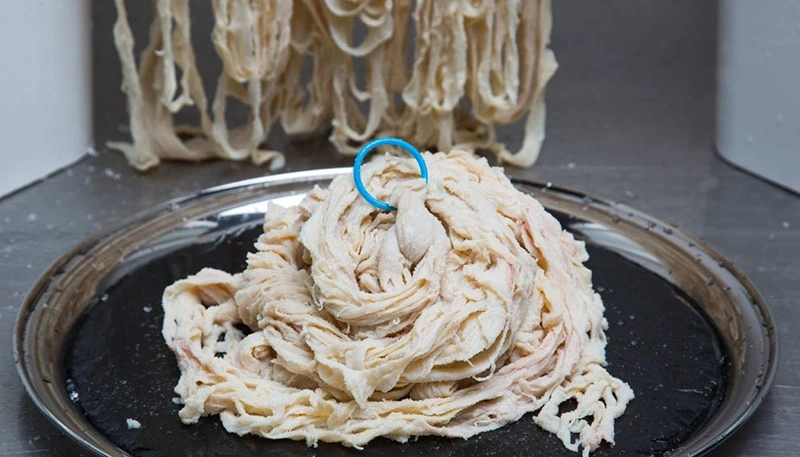
Natural casings are made from the submucosa layer of animal intestines—most commonly hog (pork), sheep, or ox. The intestines are cleaned, stripped of the mucosa and muscle layers, then preserved through dry salting or brining before being packed for shipping.
Key Properties of Natural Casings
1.Composition: Natural casings consist primarily of collagen (80–92%), along with small amounts of elastin and proteoglycan. The collagen component is responsible for the casing's tensile strength
2.Permeability: Natural casings are highly permeable to both moisture and smoke, allowing for:
• Excellent smoke penetration during smoking processes
• Proper moisture loss during drying and fermentation
• Development of traditional smoked appearance and flavor
3.Mechanical Properties:
• Higher elasticity than manufactured collagen casings
• Variation in strength based on animal species, age, and origin
• Sheep casings are significantly tougher than lamb casings due to higher thermal and structural stability of collagen in aged animals
4.Sensory Characteristics:
• Provide a characteristic "crackling bite" (snap) that consumers associate with traditional sausages
• Natural irregularity in diameter gives a handmade, artisanal appearance
• No off-flavors are imparted to the sausage product

5.Storage Requirements:
• Must be stored in salt brine or refrigerated conditions
• Require soaking and flushing (30+ minutes) before use
• Shorter shelf life compared to collagen casings
What Are Collagen Casings?
Collagen casings are manufactured casings produced from processed collagen derived from animal hides and bones—typically the corium layer of bovine hides.
Key Properties of Collagen Casings
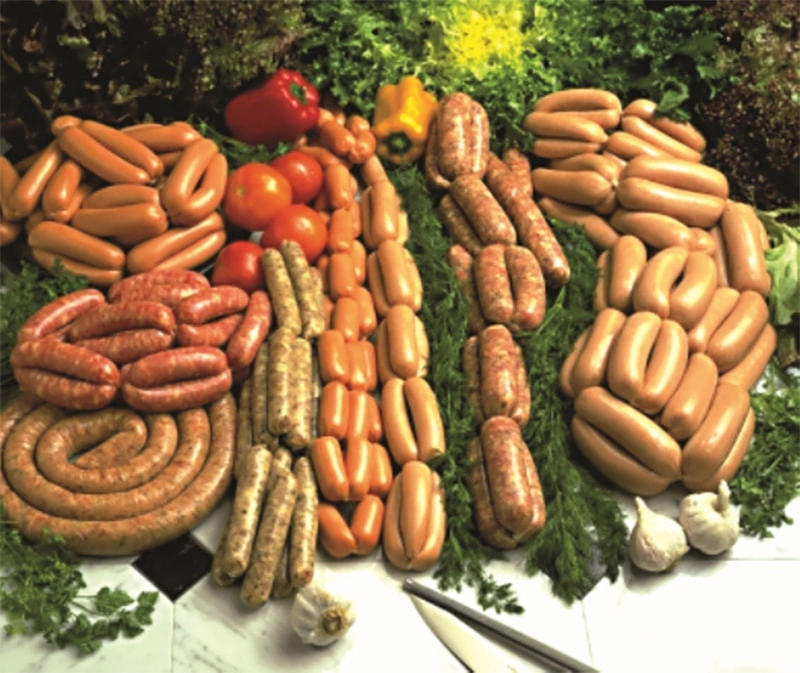
1.Uniformity: Collagen casings offer superior consistency in diameter, wall thickness, and strength compared to natural casings. This uniformity facilitates consistent stuffing and portion control .
2.Mechanical Strength:
● Higher tensile strength than natural casings
● Less prone to bursting on high-speed filling machines
● Minimal breakage during automated processing
3.Permeability:
● Lower smoke permeability than natural casings
● Can be engineered with controlled permeability for specific applications
● Average pore diameter of approximately 5.10 nm
4.Sensory Characteristics:
● Generally have a more tender bite than sheep casings
● Firmer and less yielding texture than natural casings
● No natural "snap" – texture is more uniform
Storage & Handling:
● No pre-soaking required – ready to use directly from the package
● Dry storage at room temperature – no refrigeration needed
● Longer shelf life than natural casings (up to 24 months)
● More sanitary – minimal microbial load due to high pH exposure during manufacturing
When to Choose Natural Casings and When to Choose Collagen Casings
Natural casings are preferred for :
● Traditional and premium sausage products where authentic texture and appearance are differentiators
● Boerewors – hog casings are traditional and required for authentic texture
● Droewors – thin, permeable sheep casings allow proper drying rates
● Smoked sausages where smoke penetration through the casing is important
● Artisan products where natural irregularity signals handmade quality
Collagen casings are ideal for :
● High-volume commercial production requiring precise portioning and packaging
● Viennas and frankfurters where consistent diameter is critical
● Products produced on automated filling and linking machines
● Retail products where uniform appearance in packaging is a priority
● Situations where cold chain management of natural casings is challenging
● Applications requiring longer shelf life and simpler storage conditions
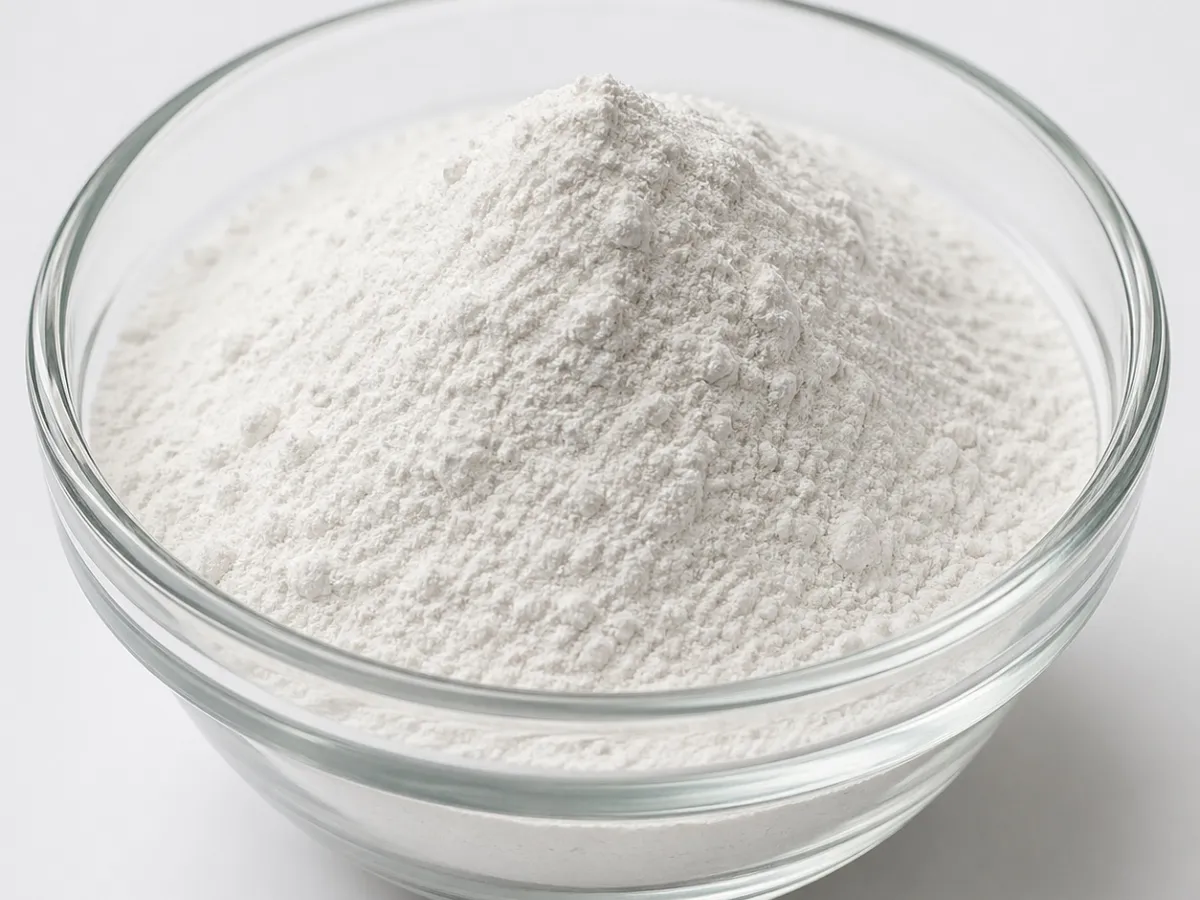
In the international food and dietary supplement industries, sodium alginate and carrageenan are two widely used seaweed-derived hydrocolloids. Despite their shared origin, the und

In oil and gas drilling operations, the prosperity of a drilling process heavily depends on the rheological properties and filtration behavior of drilling fluids . Uncontrolled flu
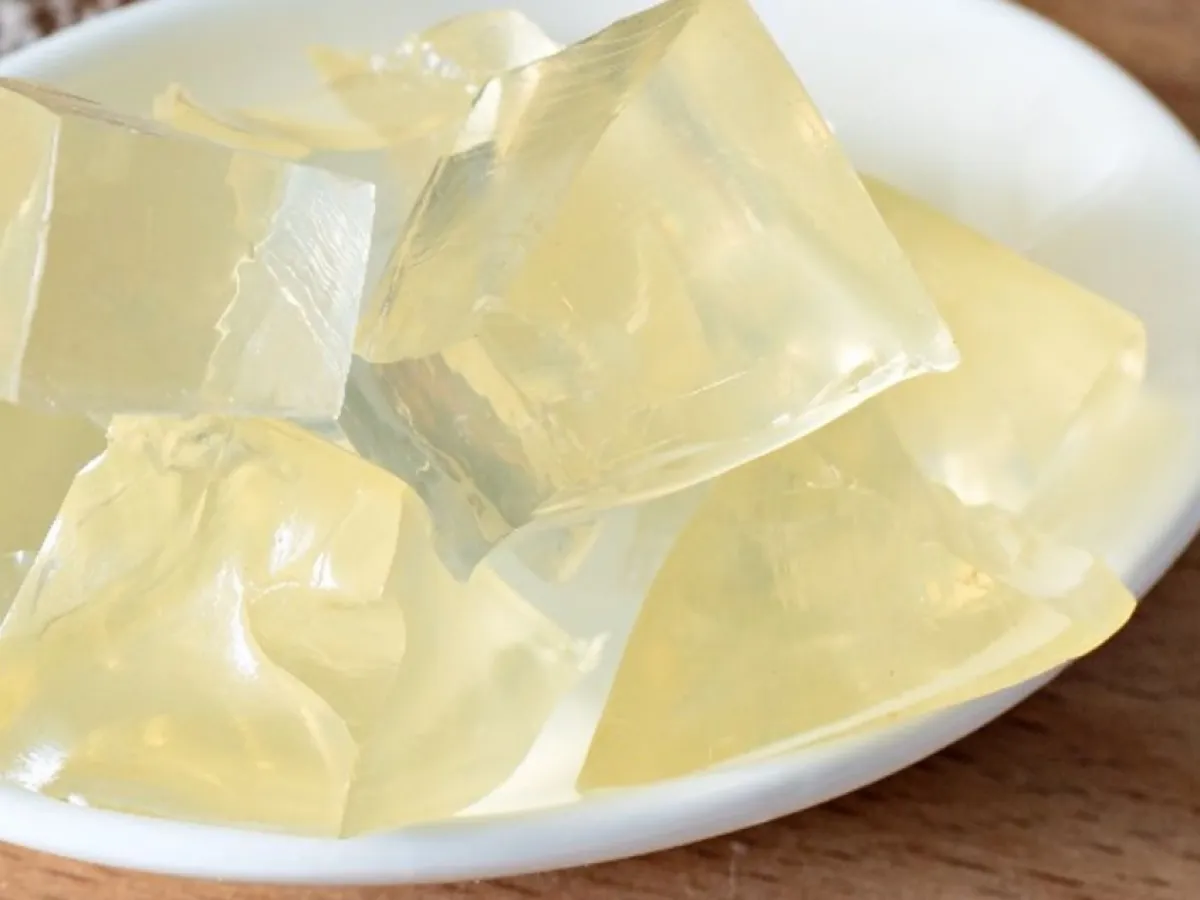
The first step in making gelatin gummies is to allow the gelatin to fully hydrate. Gelatin does not dissolve in cold water, but it can absorb water and swell in cold water. This pr
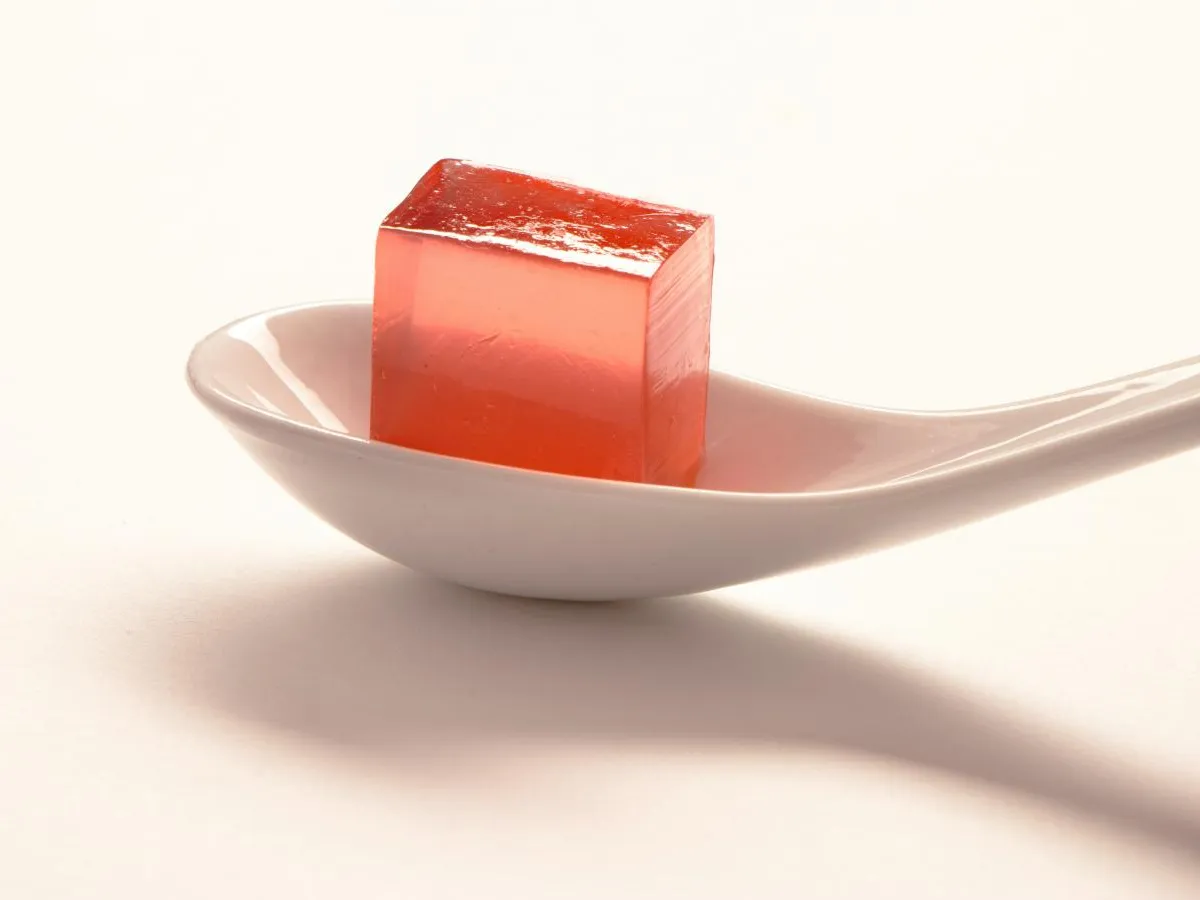
The key difference? Gelatin is a protein from animal collagen; agar is a carbohydrate from red algae.This fundamental distinction drives every other difference between them — and d

In the papermaking industry, modified starch is one of the core additives. Oxidized starch, cationic starch, and esterified starch are mainly used for surface sizing, internal sizi
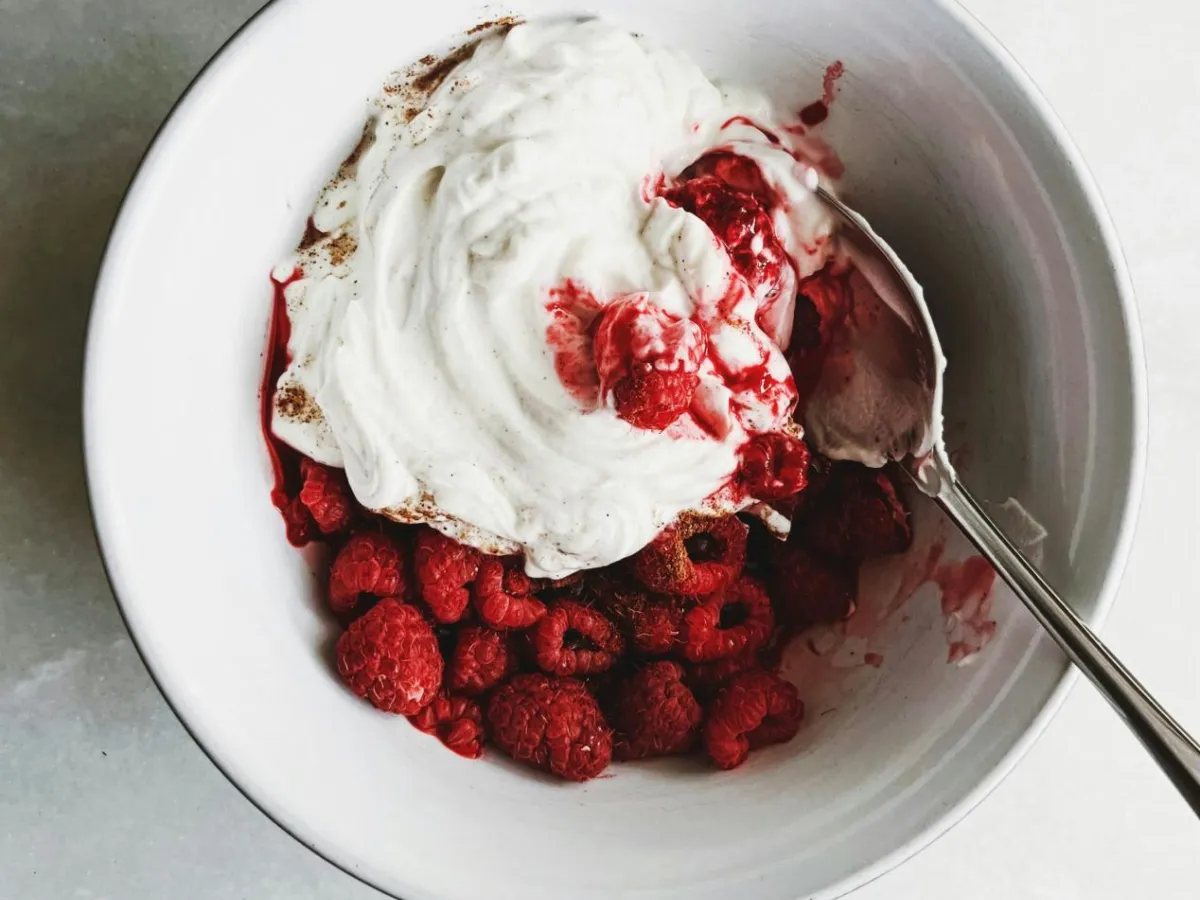
The adoption of pectin in yogurt is not just anecdotal. According to market data, more than half of all new spoonable yogurt launches now contain pectin. This widespread acceptance
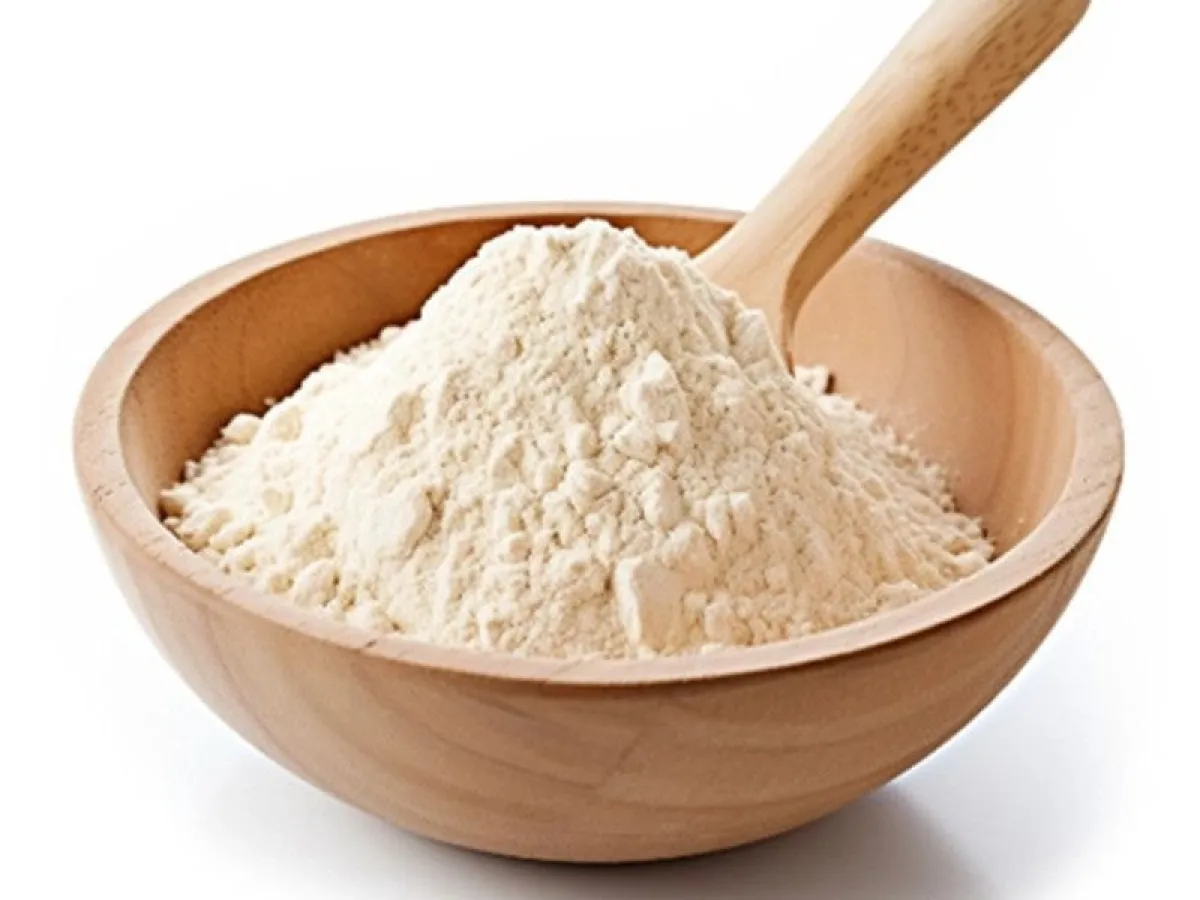
High concentrations of protein ingredients inherently carry a heavy, powdery mouthfeel and astringent notes. The key application detail of gelatin lies in its thermally reversible
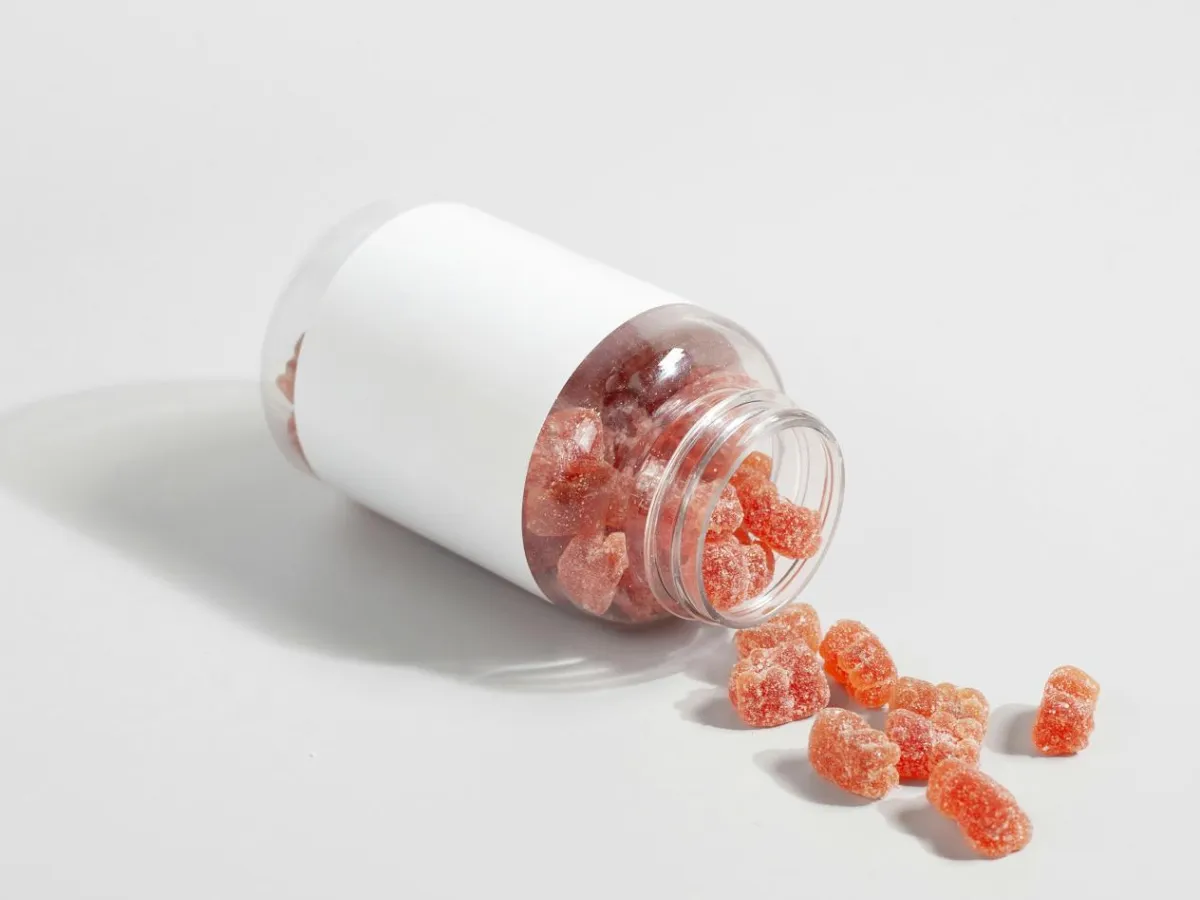
Today, vegan gummies are one of the fastest-growing segments in confectionery. And at the center of this shift stands pectin – a plant-derived hydrocolloid that is proving to be mo
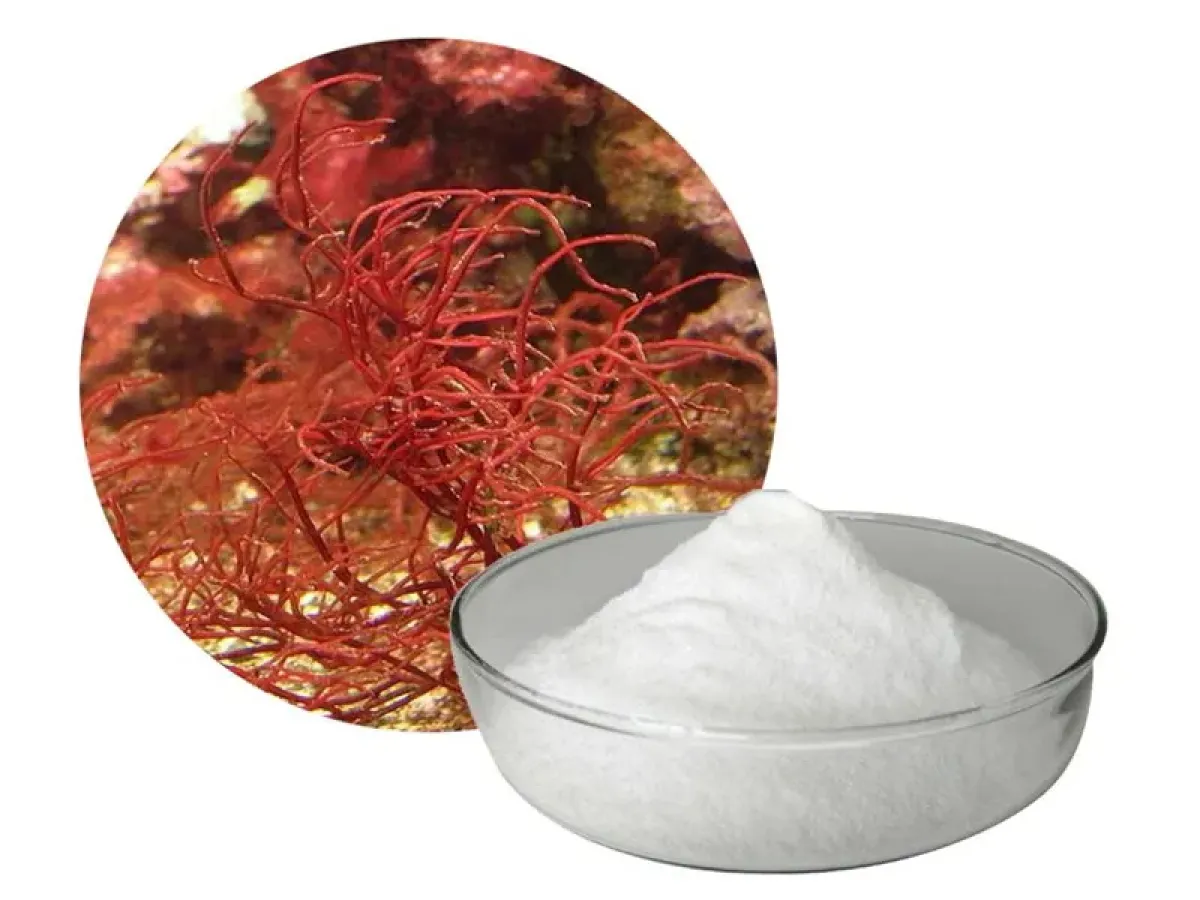
From a physicochemical perspective, carrageenan possesses unique solubility, dissolving in hot water at around 80°C to form a viscous, transparent solution, but insoluble in cold w
The primary role of CMC in toothpaste is to provide the desired texture, consistency, and stability. Specifically, it performs the following critical functions: