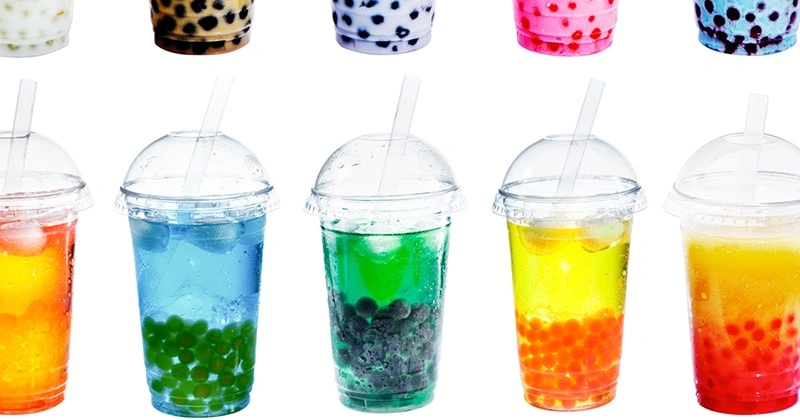
Crystal boba, also commercially known as crispy popping boba or konjac jelly balls, has become an indispensable texture ingredient in modern beverage and dessert industries. Different from traditional starch-based tapioca pearls, crystal boba is a thermally irreversible gel system constructed by natural hydrophilic colloids and dietary fiber, featuring zero starch, low calorie, and adjustable textural properties. It can present diverse mouthfeels ranging from chewy and soft to crisp and tender, perfectly compatible with hot and cold milk tea, coffee, yogurt and other beverage scenarios. With the increasingly refined market demand for food texture, single hydrocolloid materials can no longer meet the dual requirements of appearance, taste and stability. The compound application of microbial and plant-based hydrocolloids has become the core technical solution to realize customized high-performance crystal boba.
Most commercial crystal boba products are mainly prepared with konjac gum, a natural plant colloid with excellent gelling and water retention properties. However, a single konjac gum system has obvious limitations, failing to balance transparency, brittleness and toughness simultaneously, which restricts product diversification. To solve this industry pain point, a scientific compound formula of multiple hydrocolloids has been developed, adopting transparent xanthan gum and konjac gum as the base system, supplemented by gellan gum and carrageenan for targeted texture optimization.
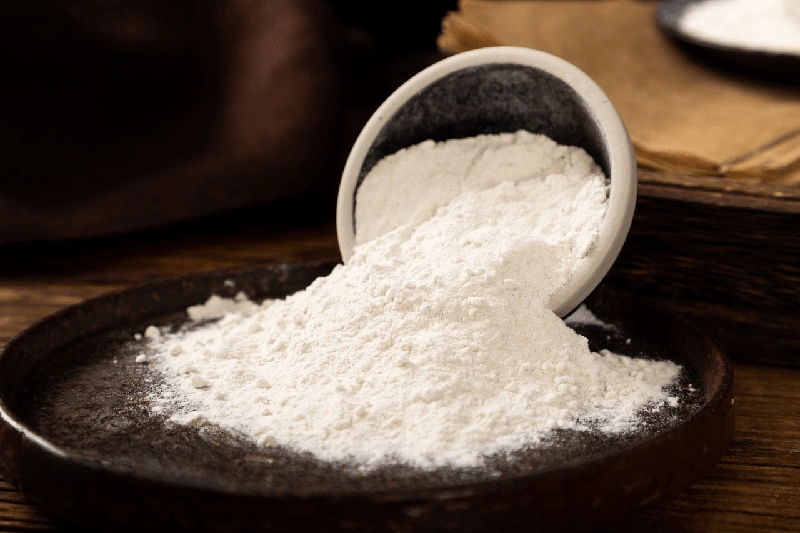
Transparent xanthan gum, a typical microbial polysaccharide, is polymerized by pentasaccharide repeating units composed of glucose, mannose, glucuronic acid, acetyl and pyruvate. It shares a similar main chain structure with konjac gum. When the temperature reaches the conformational transition point of xanthan gum, the β-1,4 main chain of konjac gum embeds with xanthan gum molecules to form a stable three-dimensional network structure. The thermoreversible gel formed after cooling provides crystal boba with basic gel strength, elasticity and uniform transparency, laying a foundation for fine mouthfeel and attractive appearance.
Low-acyl gellan gum, another key microbial hydrocolloid secreted by Sphingomonas paucimobilis, plays a decisive role in improving product brittleness. Induced by heating and coagulant cations, gellan gum molecular chains form a compact double helix structure, further cross-linking to build a dense three-dimensional gel network through hydrogen bonds and van der Waals forces. Its addition effectively reduces the excessive toughness of the xanthan gum-konjac gum composite system, endowing crystal boba with prominent crisp texture while maintaining structural integrity. Combined with carrageenan, the composite colloid system realizes precise regulation of the gel microscopic network, achieving directional design of sensory quality and textural performance.
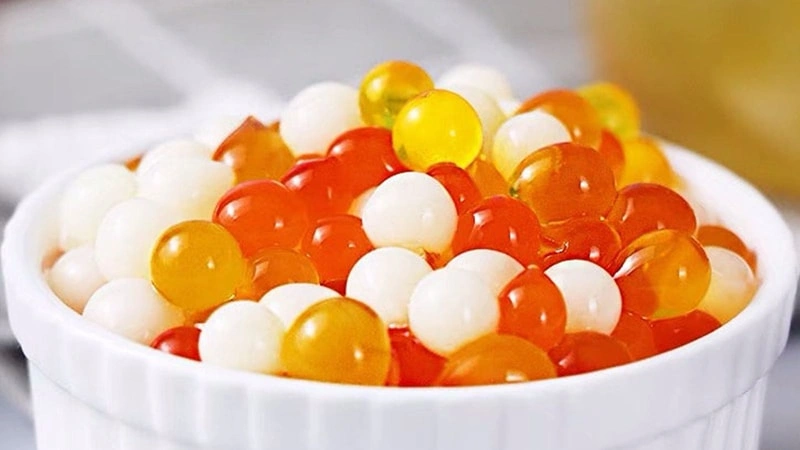
Based on systematic texture screening and stability tests, the optimal formula of brittle crystal boba gel is determined: 3% compound hydrocolloids (1.5% konjac gum + 0.3% transparent xanthan gum + 1.2% carrageenan + 0.3% low-acyl gellan gum), matched with 0.6% calcium lactate and 0.24% potassium chloride. This formula solves the industry difficulty of balancing brittleness and heat resistance of crystal boba. Texture tests verify that the prepared boba features compact structure, prominent crispness and good compression resistance, avoiding fragmentation during processing and eating.
The composite hydrocolloid system also endows crystal boba with excellent environmental stability. In a protective solution with sugar content ≥30% and calcium concentration ≥0.2%, the product maintains stable toughness and heat resistance, adapting to high-temperature beverage filling and sterilization processes. Low-temperature resistance tests show that the boba has no morphological changes or dehydration shrinkage after long-term refrigeration. In terms of storage stability, the product keeps intact toughness at 25°C for long-term placement after sterilization with 40% sugar and 0.2% calcium protective solution, and maintains stable texture for 25 days at 37°C, greatly reducing commercial storage and transportation risks.
In practical production, the composite hydrocolloid gel system features strong operability and high customization. The particle size, flavor embedding performance and texture degree of crystal boba can be adjusted freely according to market demands. Standardized processing operations, including preventing powder agglomeration during dissolution, optimizing protective solution preparation and avoiding external extrusion during sterilization, can ensure stable batch production. With the advantages of low calorie, healthy formula, diverse textures and high stability, compound hydrocolloid technology provides a reliable and efficient solution for the iterative upgrading of beverage auxiliary materials, which is of great promotion value for the high-quality development of the modern food and beverage industry.
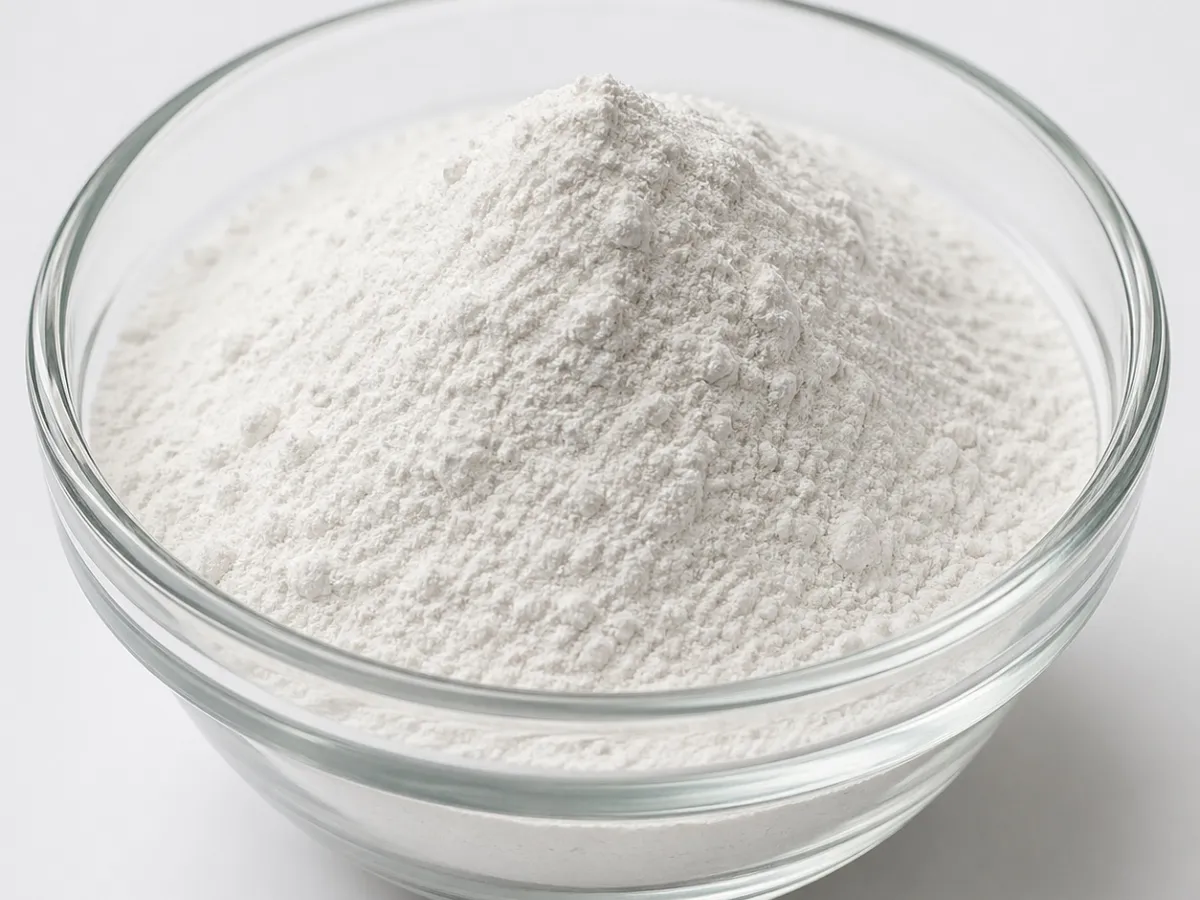
In the international food and dietary supplement industries, sodium alginate and carrageenan are two widely used seaweed-derived hydrocolloids. Despite their shared origin, the und

In oil and gas drilling operations, the prosperity of a drilling process heavily depends on the rheological properties and filtration behavior of drilling fluids . Uncontrolled flu
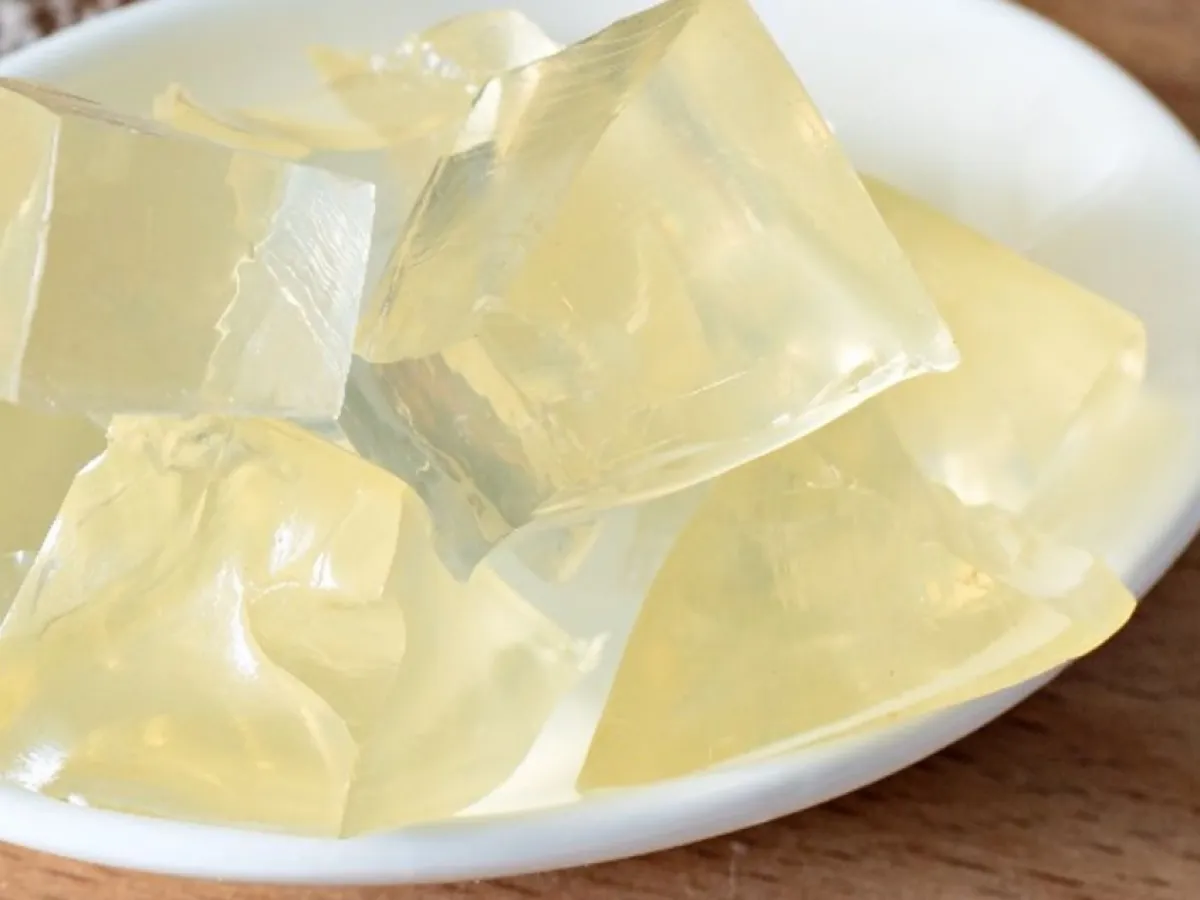
The first step in making gelatin gummies is to allow the gelatin to fully hydrate. Gelatin does not dissolve in cold water, but it can absorb water and swell in cold water. This pr
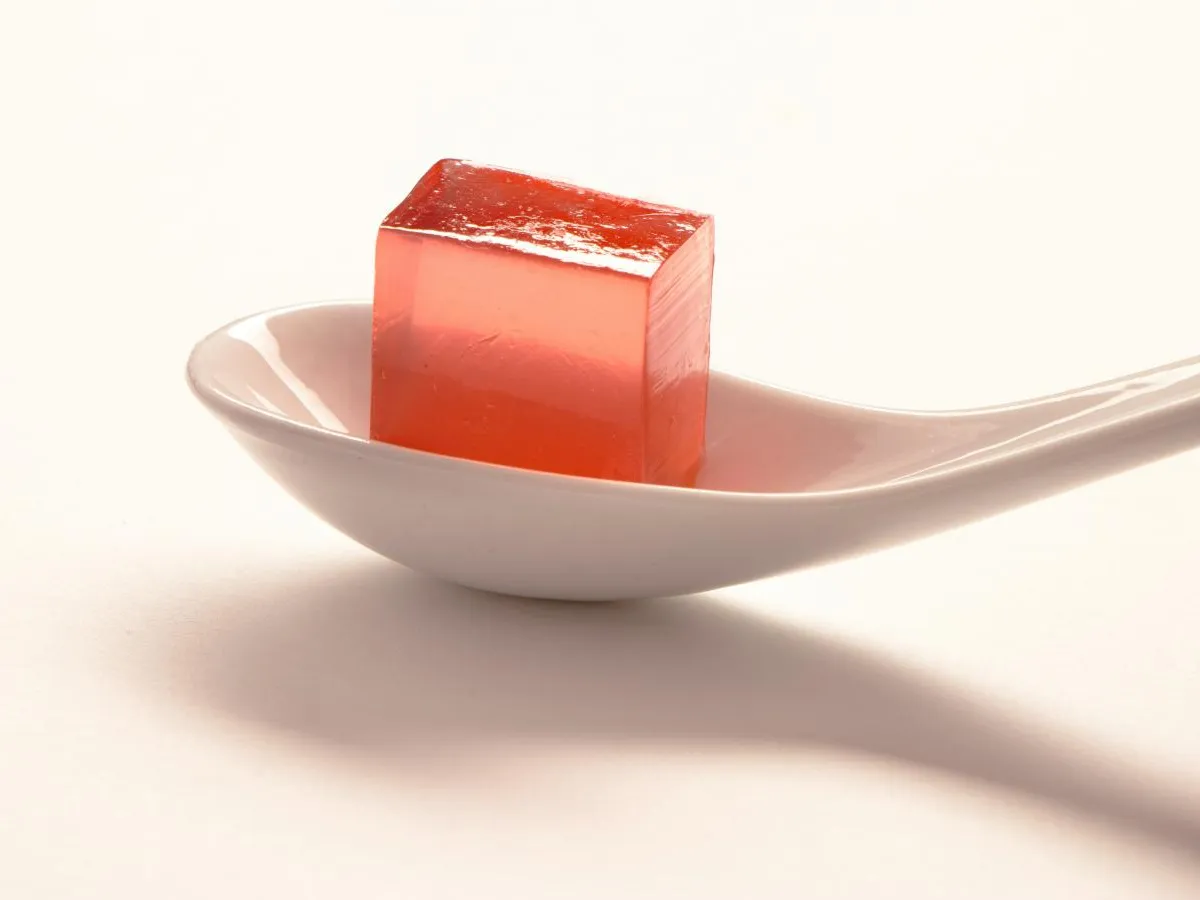
The key difference? Gelatin is a protein from animal collagen; agar is a carbohydrate from red algae.This fundamental distinction drives every other difference between them — and d

In the papermaking industry, modified starch is one of the core additives. Oxidized starch, cationic starch, and esterified starch are mainly used for surface sizing, internal sizi
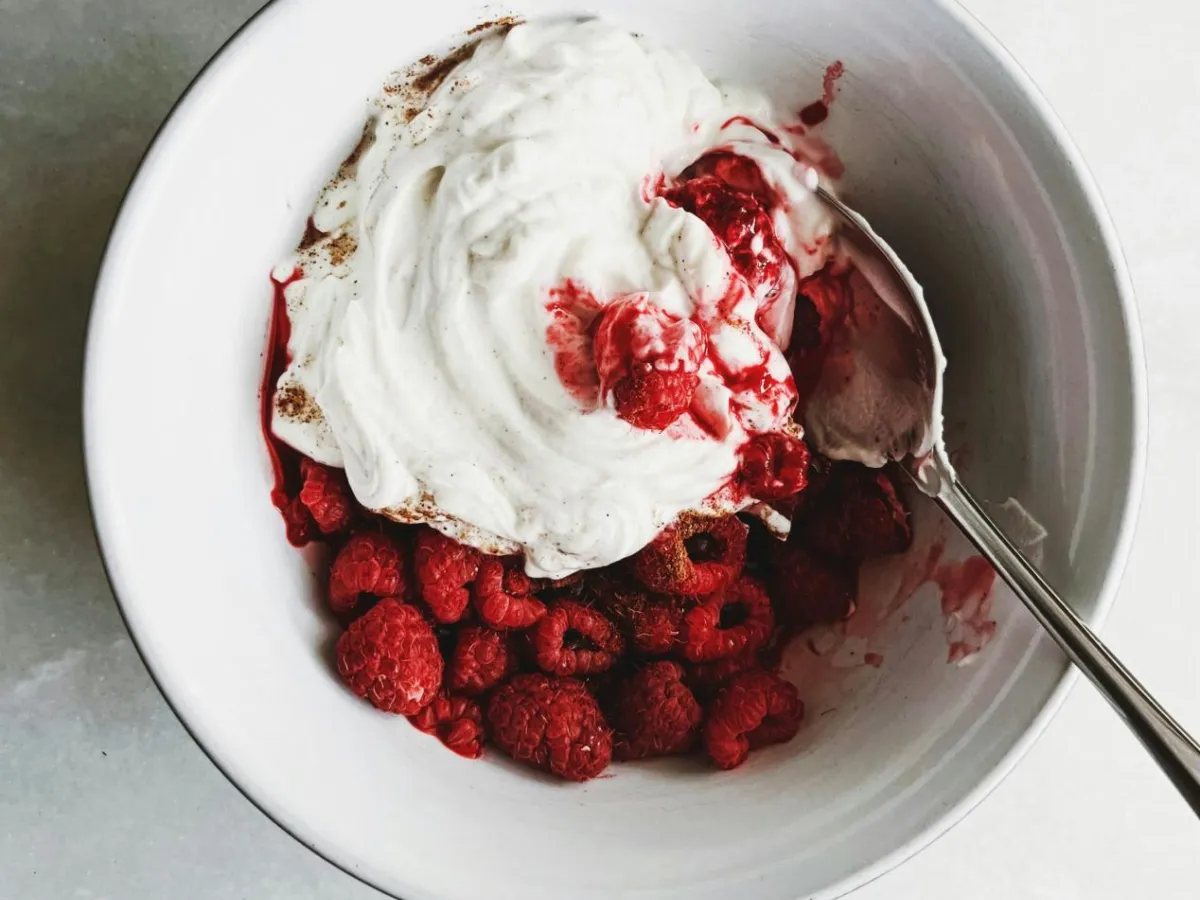
The adoption of pectin in yogurt is not just anecdotal. According to market data, more than half of all new spoonable yogurt launches now contain pectin. This widespread acceptance
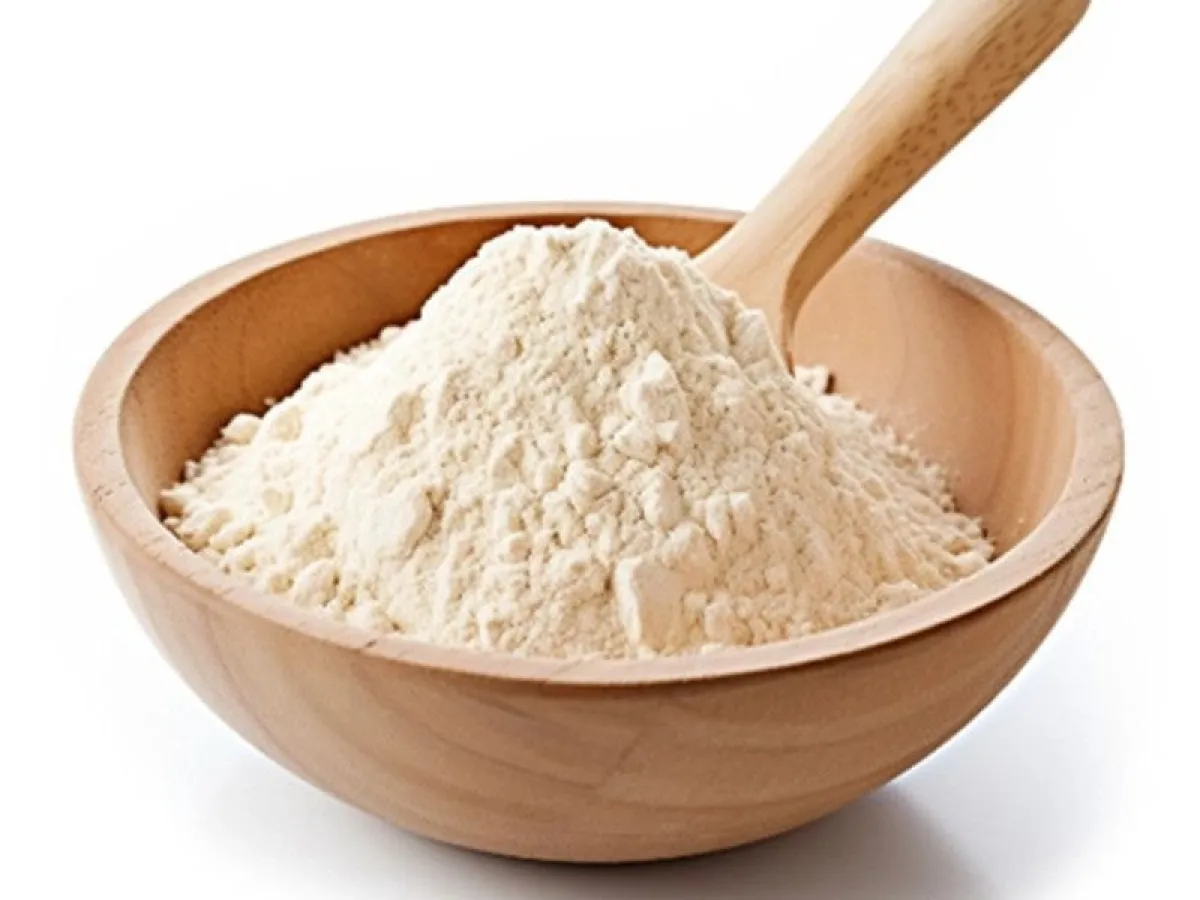
High concentrations of protein ingredients inherently carry a heavy, powdery mouthfeel and astringent notes. The key application detail of gelatin lies in its thermally reversible
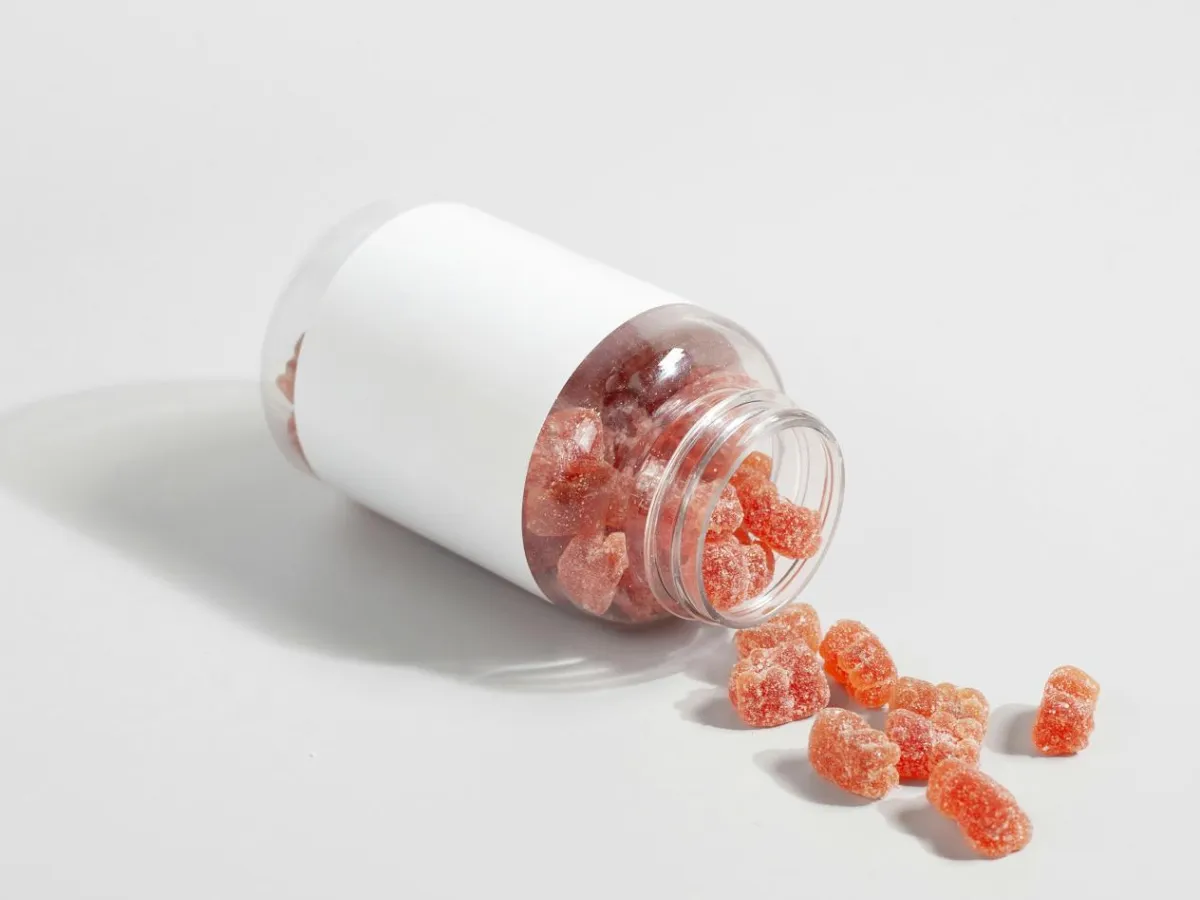
Today, vegan gummies are one of the fastest-growing segments in confectionery. And at the center of this shift stands pectin – a plant-derived hydrocolloid that is proving to be mo
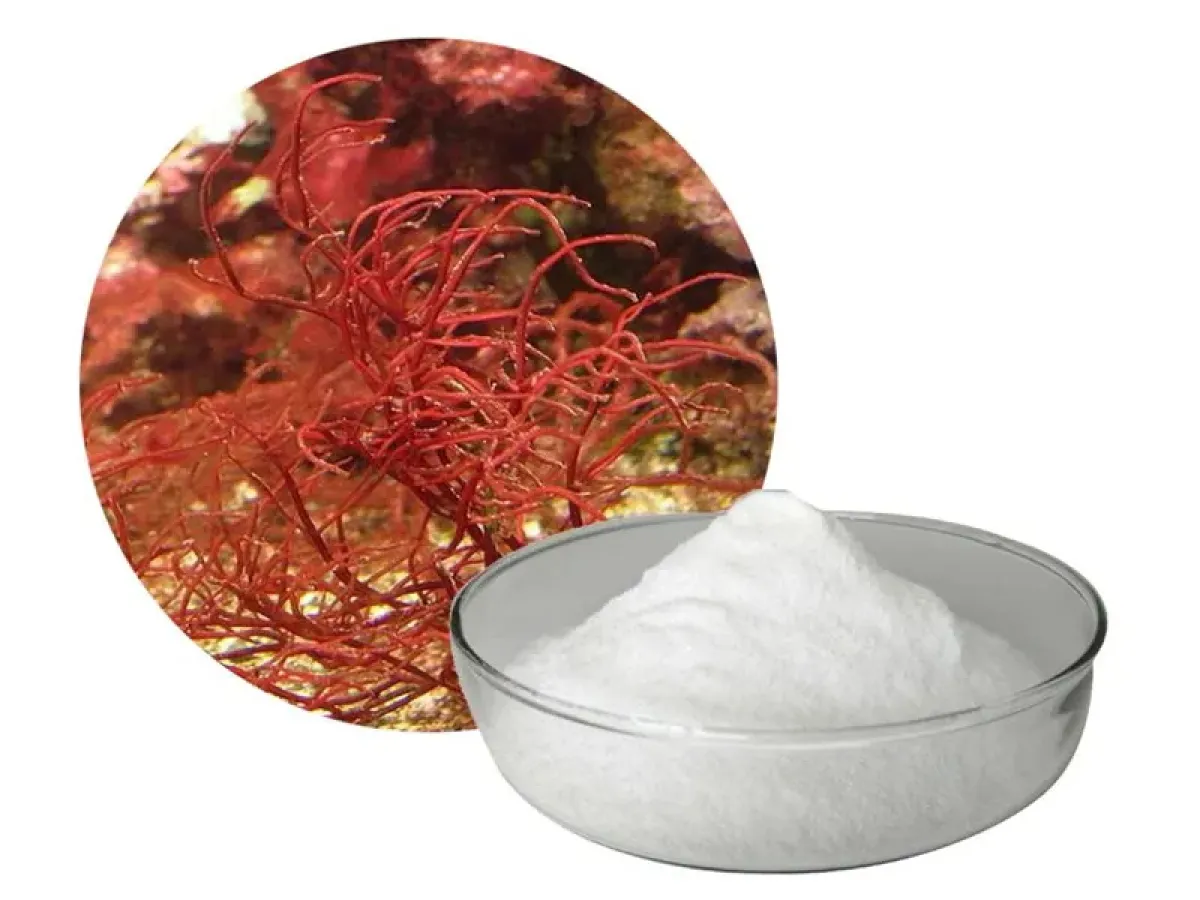
From a physicochemical perspective, carrageenan possesses unique solubility, dissolving in hot water at around 80°C to form a viscous, transparent solution, but insoluble in cold w
The primary role of CMC in toothpaste is to provide the desired texture, consistency, and stability. Specifically, it performs the following critical functions: