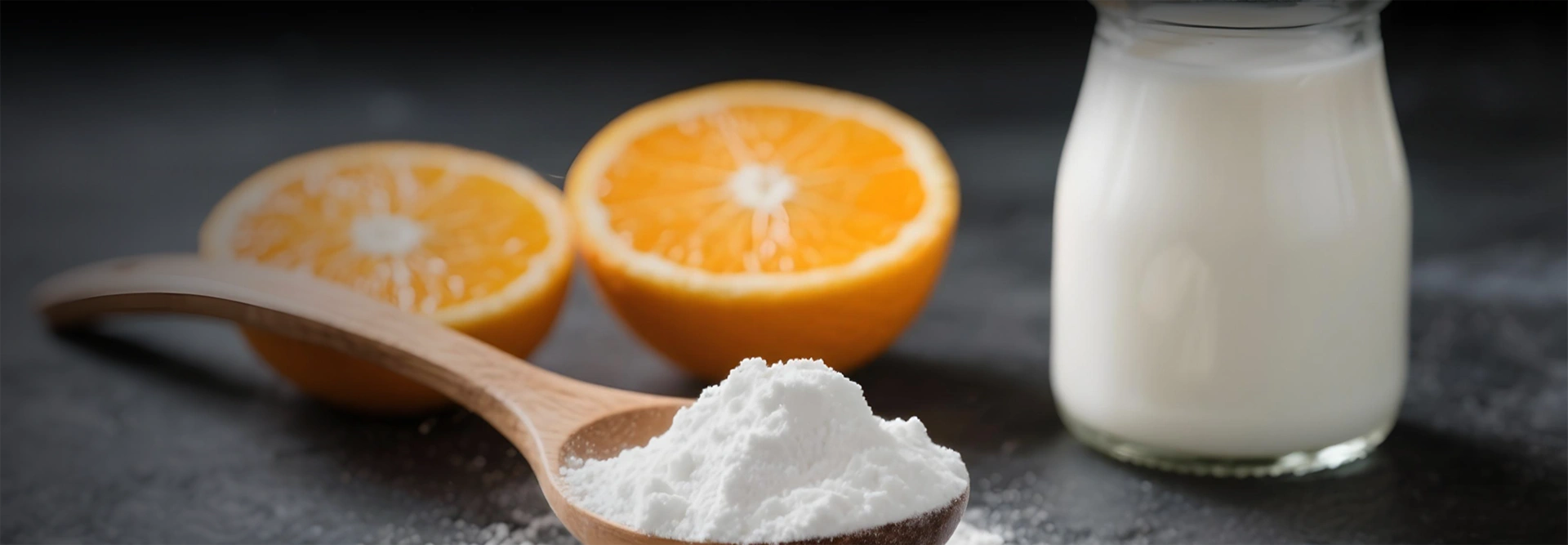
Gelatin gummies are one of the most representative members of the gummy candy family. Their unique elastic texture and transparent appearance are almost entirely owed to the gelling properties of gelatin. To produce an ideal gelatin gummy, every step—from raw material selection to process control—requires careful attention.
Raw Material Blending and Sol Preparation
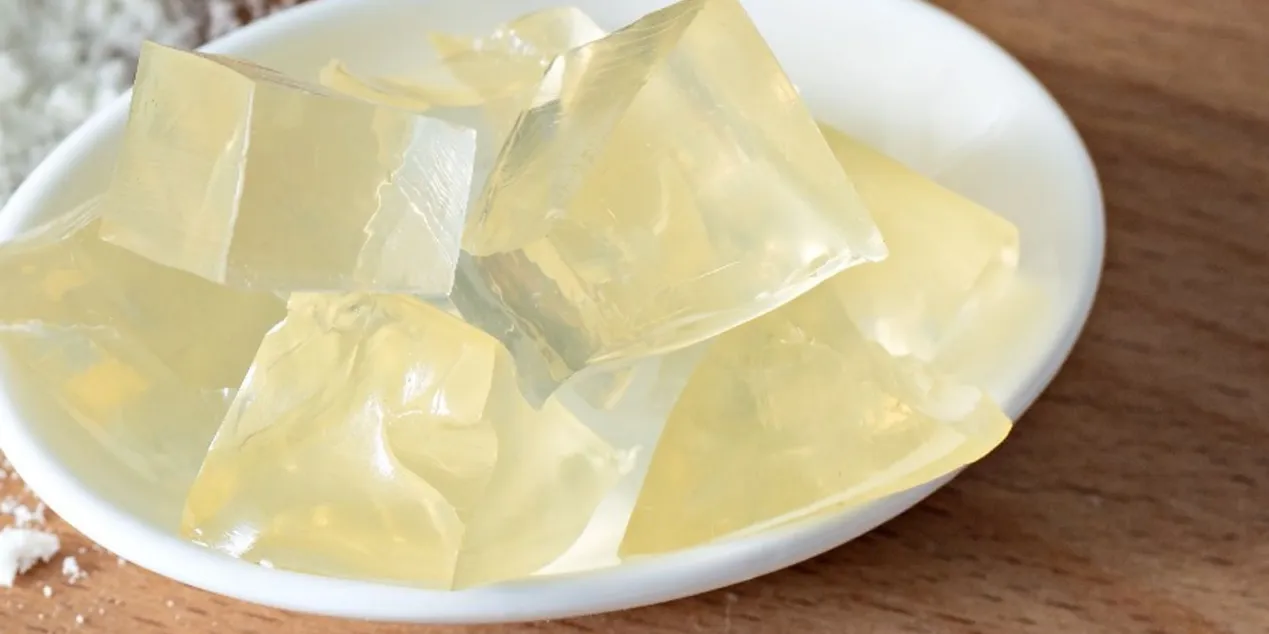
The first step in making gelatin gummies is to allow the gelatin to fully hydrate. Gelatin does not dissolve in cold water, but it can absorb water and swell in cold water. This process usually takes a period of time, allowing the gelatin particles to fully absorb water and soften. Only after swelling can the gelatin be heated to an appropriate temperature to form a uniform sol. There is a key detail here: the heating temperature of the gelatin solution should not be too high, as prolonged high temperatures will damage the protein structure and cause a significant drop in gel strength.
At the same time, sugar and starch syrup need to be heated and dissolved separately to make syrup. The addition of starch syrup is not just for sweetness—it also adjusts the texture of the gummy, preventing the final product from becoming too hard and tough. If making fruit-flavored gummies such as passion fruit, a composite gelling system of gelatin and agar may also be used, with the two combined in a certain ratio to give the finished product a richer mouthfeel than gelatin alone.
Mixing, Cooking, and Mold Casting
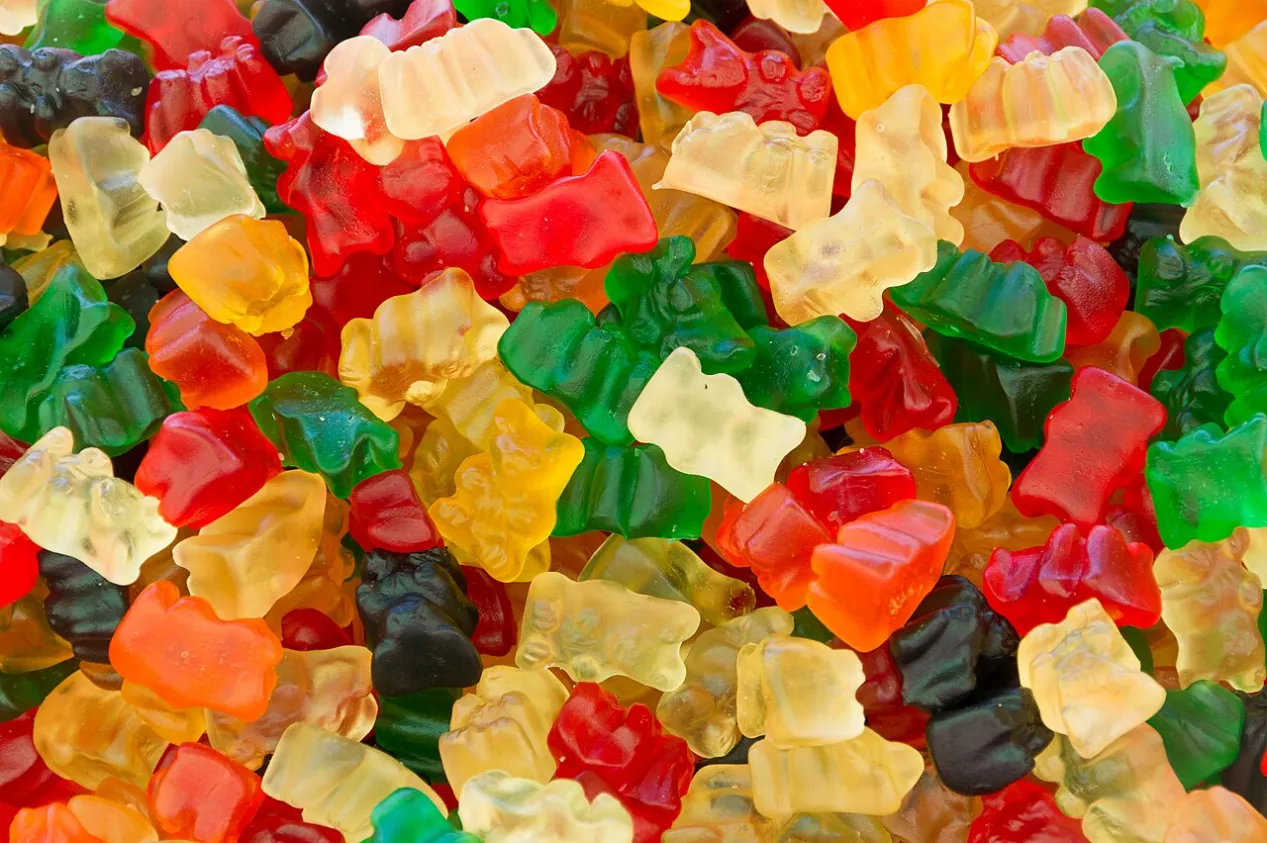
After the sol and syrup are prepared, they need to be mixed together and cooked. The temperature and time control during cooking directly affect the texture of the final candy body. If the temperature is insufficient, too much moisture remains, and the finished product will be soft and lacking in elasticity; if overcooked, the candy body becomes too tough and chewy.
Gelatin gummies have a very special property: their gel formation is thermoreversible. This means that after the gelatin sol cools and solidifies into a gel, it can return to a liquid state when reheated. This property is very practical in production—if there is a deviation during mold casting, or if the formula needs to be adjusted, the already solidified candy body can be remelted and reprocessed, greatly reducing operational difficulty in production.
After cooking is completed, the sugar liquid will have acidulants and flavorings added at an appropriate temperature, and then be poured into molds. It should be noted here that gelatin is relatively sensitive to acidic environments, and its protein structure is easily damaged under strongly acidic conditions. The formula design of neutral gelatin gummies is precisely to avoid this problem, allowing gelatin to complete gelling without the need to add acid, thereby making gummies with non-acidic flavors such as mint or savory flavors.
Cooling, Setting, and Drying
After mold casting, the candy body is cooled, and the gelatin transitions from a sol state to a gel state, forming a three-dimensional network structure that traps water and flavor substances within the sugar liquid. This gel network gives the gummy its elasticity, toughness, and chewiness.
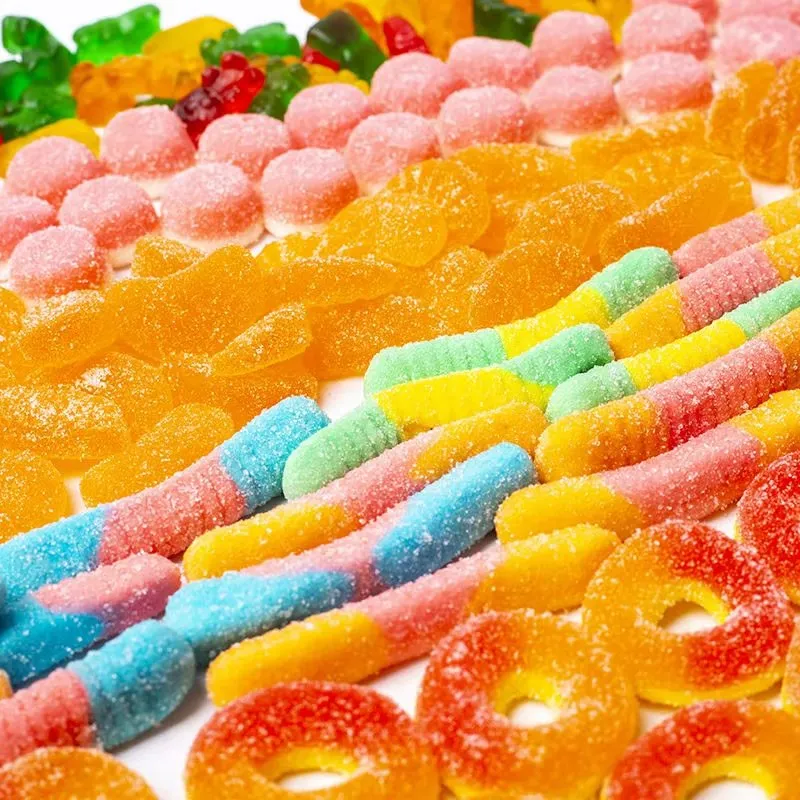
After cooling and setting, the gummies usually still need a period of drying, allowing moisture to slowly migrate from the interior of the candy body to the surface and evaporate, ultimately reaching the appropriate moisture content. After drying, gelatin gummies appear semi-transparent, with a uniform texture and a glossy finish. The amount of gelatin used must be carefully controlled—too little makes the candy body soft but lacking in elasticity, while too much makes it too tough, and the mouthfeel becomes uncomfortable.
Flavor Release and Mouthfeel Experience
What fascinates people about gelatin gummies is also their unique "melting" sensation. The melting point of the gelatin gel is cleverly designed: it remains stable as a solid at room temperature, but upon contact with the mouth, body temperature and saliva cause it to gradually soften and melt. This melting process is accompanied by the release of flavor, giving the gummy a layered transition from elastic and chewy to soft and smooth during chewing. This is the core advantage that distinguishes gelatin from other hydrocolloids, and it is also the reason it has remained popular in the candy industry for so long.
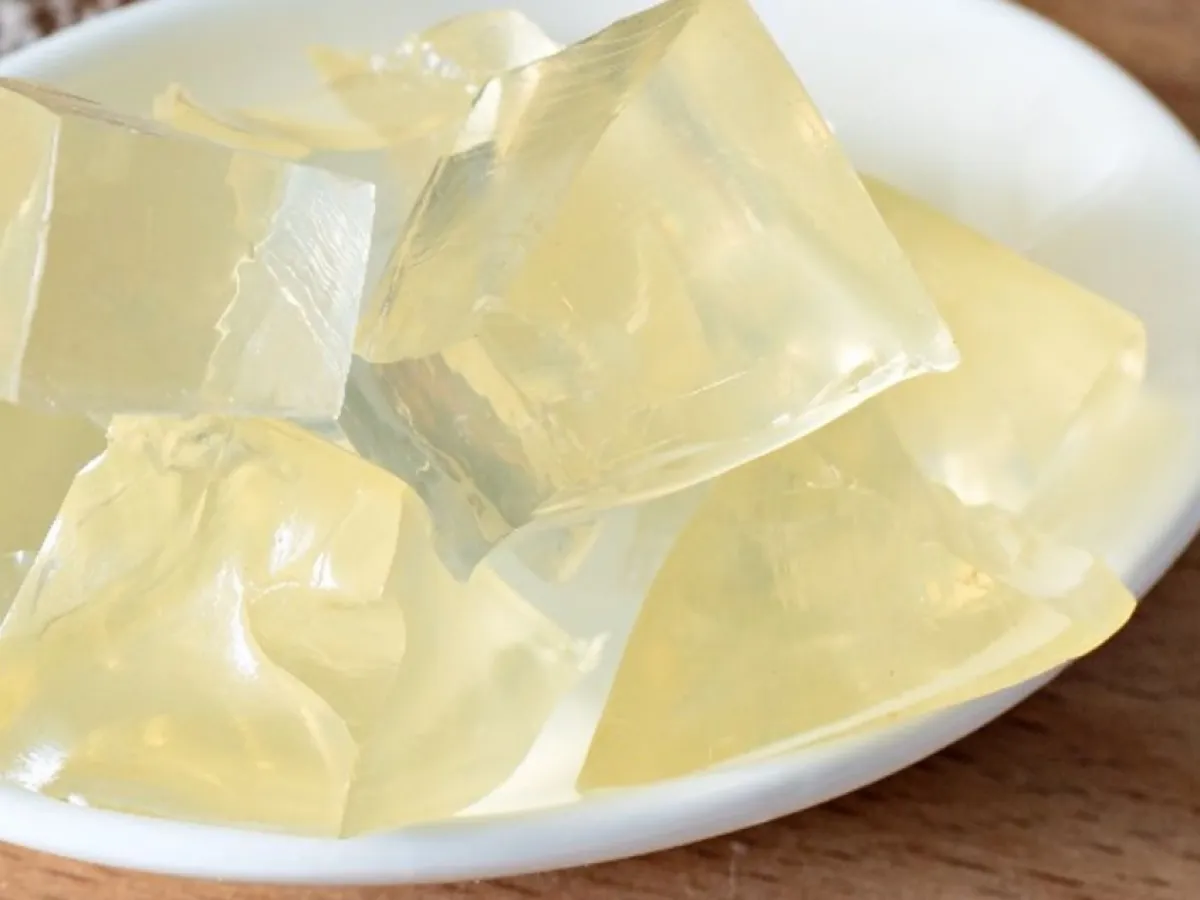
The first step in making gelatin gummies is to allow the gelatin to fully hydrate. Gelatin does not dissolve in cold water, but it can absorb water and swell in cold water. This pr
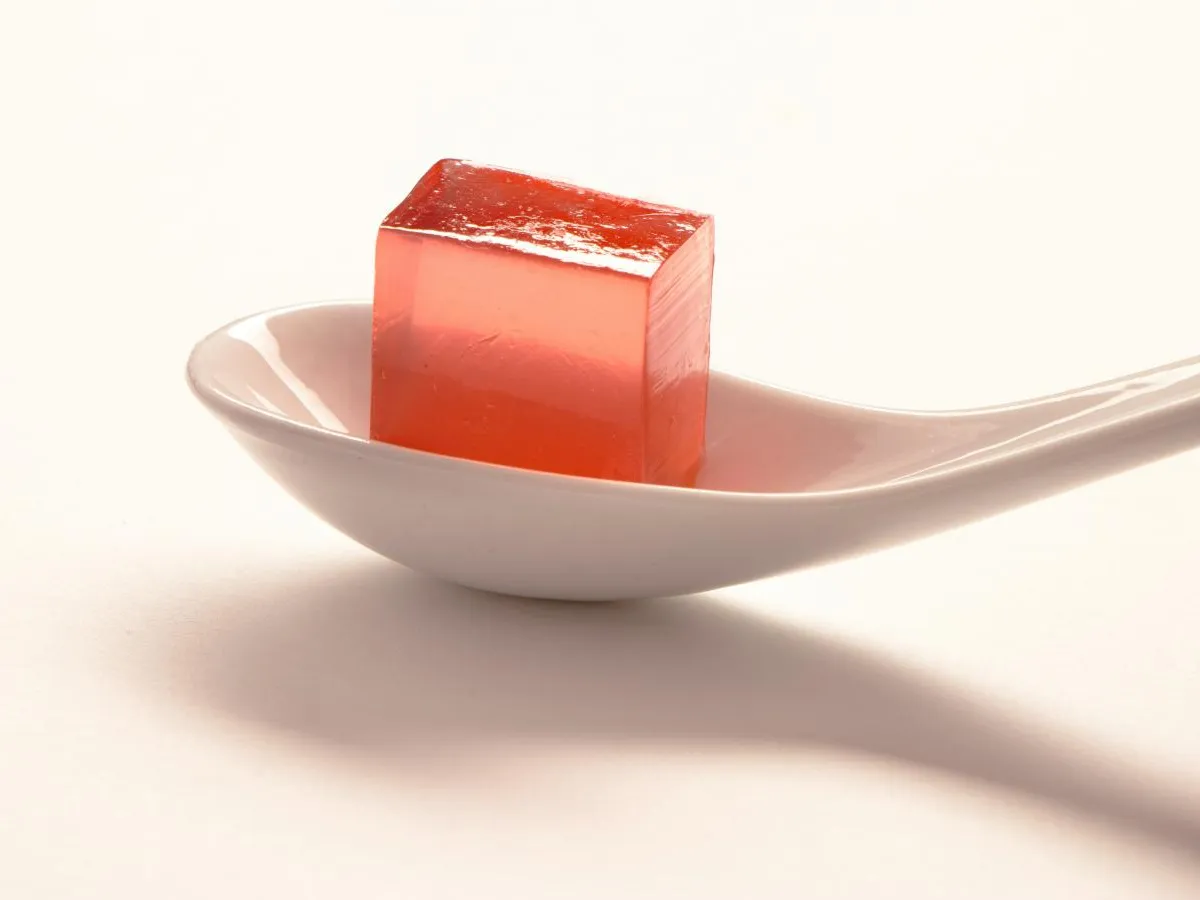
The key difference? Gelatin is a protein from animal collagen; agar is a carbohydrate from red algae.This fundamental distinction drives every other difference between them — and d

In the papermaking industry, modified starch is one of the core additives. Oxidized starch, cationic starch, and esterified starch are mainly used for surface sizing, internal sizi
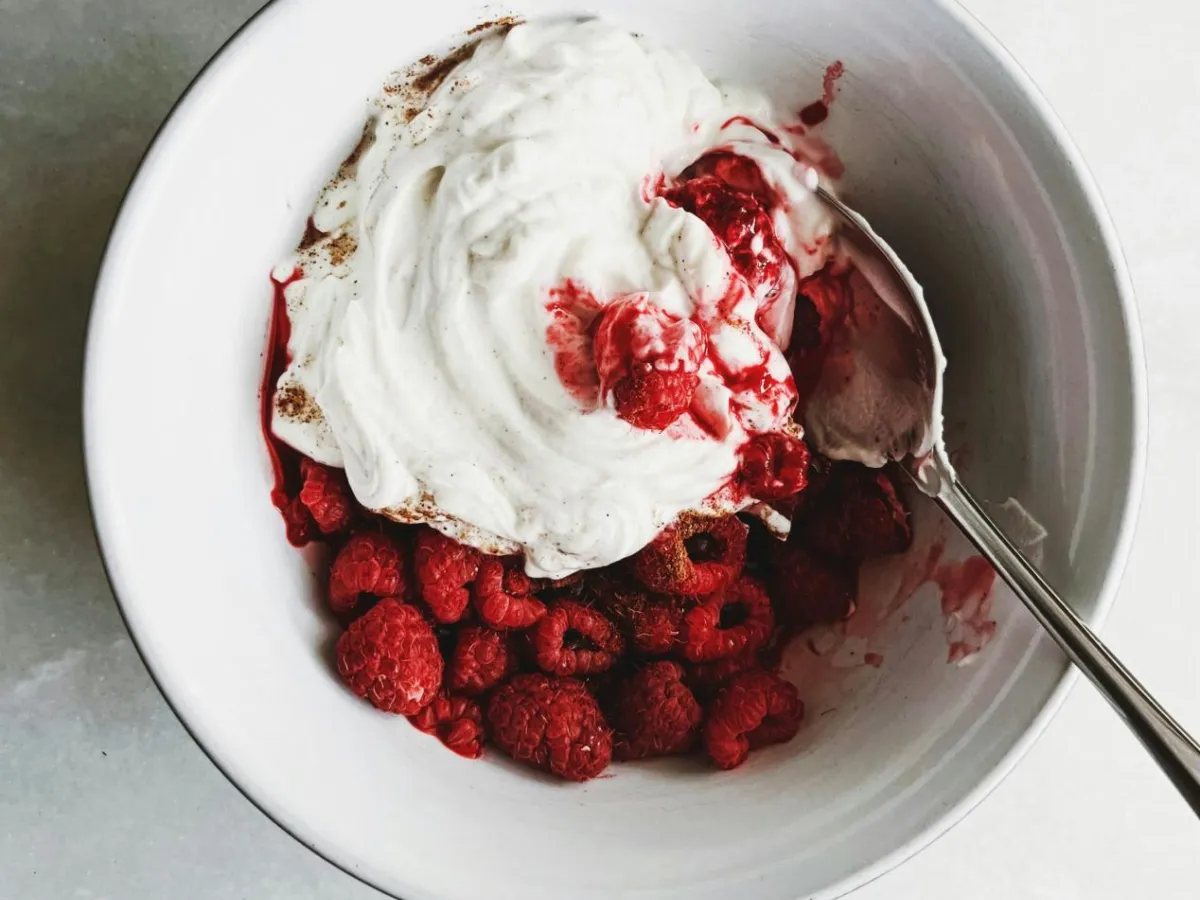
The adoption of pectin in yogurt is not just anecdotal. According to market data, more than half of all new spoonable yogurt launches now contain pectin. This widespread acceptance
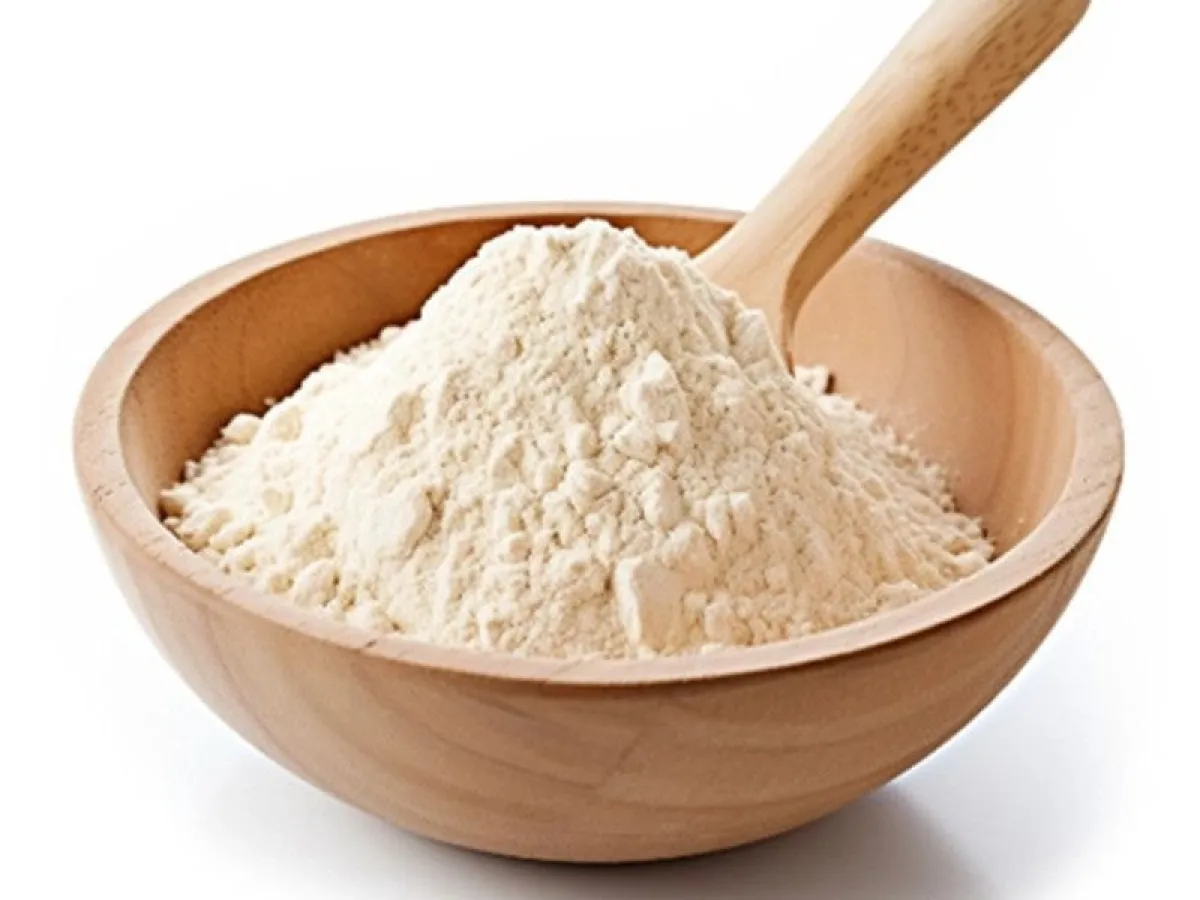
High concentrations of protein ingredients inherently carry a heavy, powdery mouthfeel and astringent notes. The key application detail of gelatin lies in its thermally reversible

Today, vegan gummies are one of the fastest-growing segments in confectionery. And at the center of this shift stands pectin – a plant-derived hydrocolloid that is proving to be mo
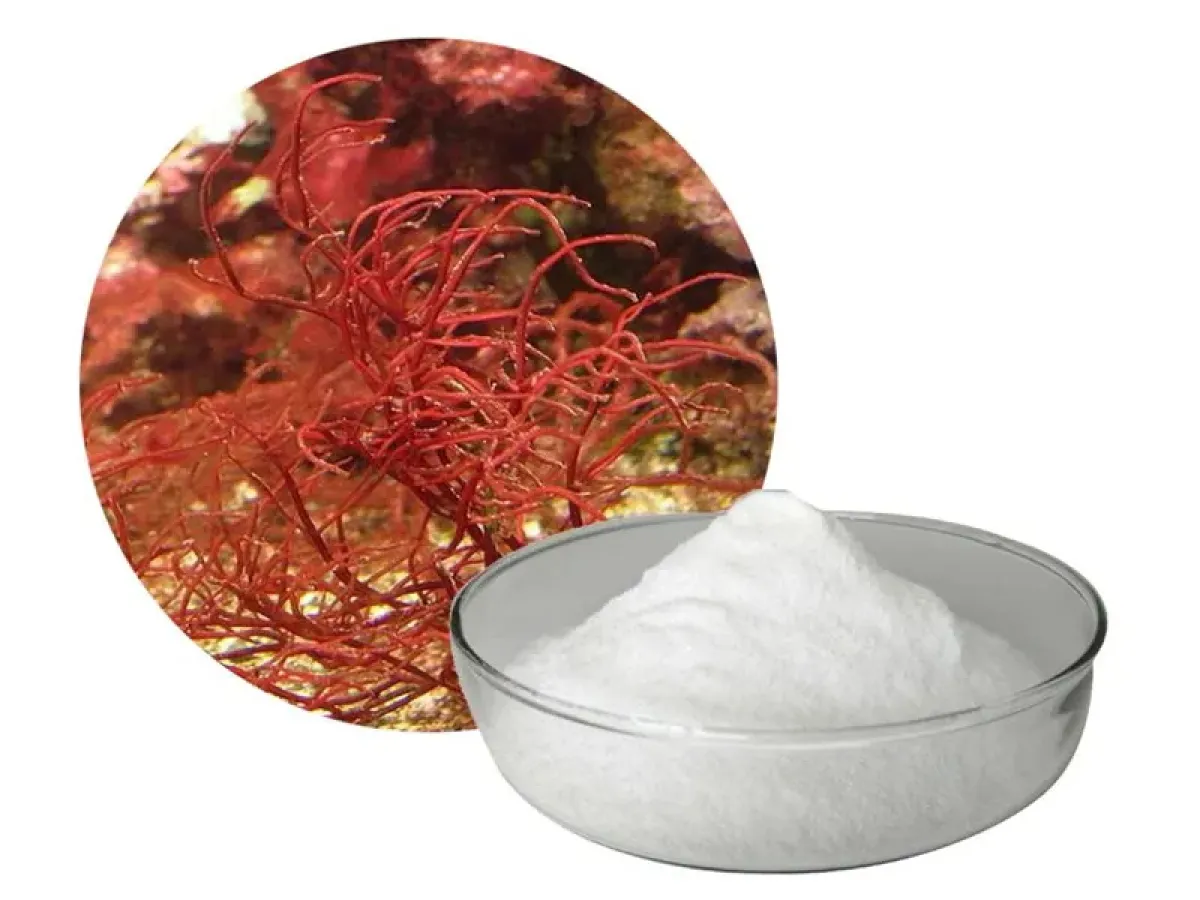
From a physicochemical perspective, carrageenan possesses unique solubility, dissolving in hot water at around 80°C to form a viscous, transparent solution, but insoluble in cold w
The primary role of CMC in toothpaste is to provide the desired texture, consistency, and stability. Specifically, it performs the following critical functions:

In food production, the most important functions of sodium alginate are thickening and stabilization. Taking fruit juice drinks, fruit pulp drinks, and plant protein drinks as exam
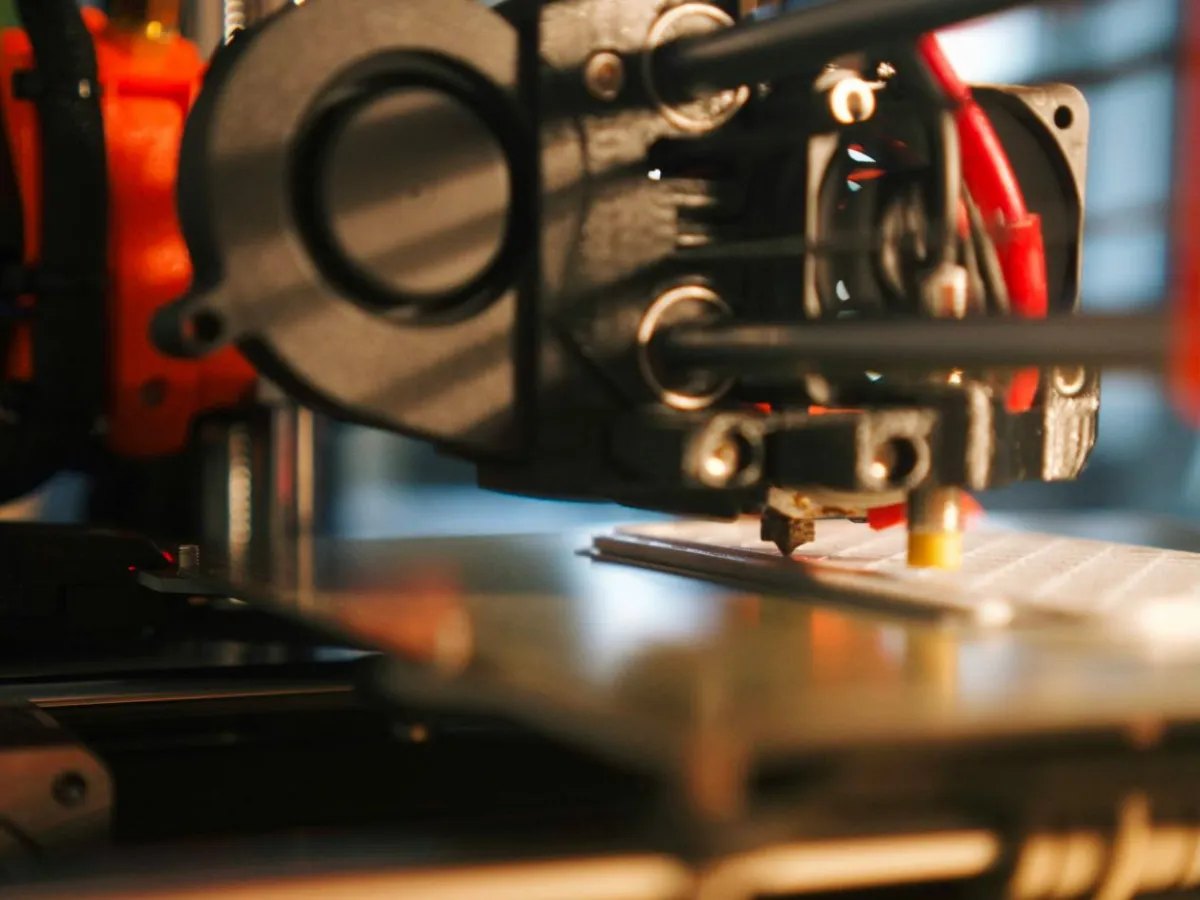
Extrusion-based 3D food printing has made significant strides in recent years, but two challenges continue to limit its broader adoption: the suboptimal rheological properties of e