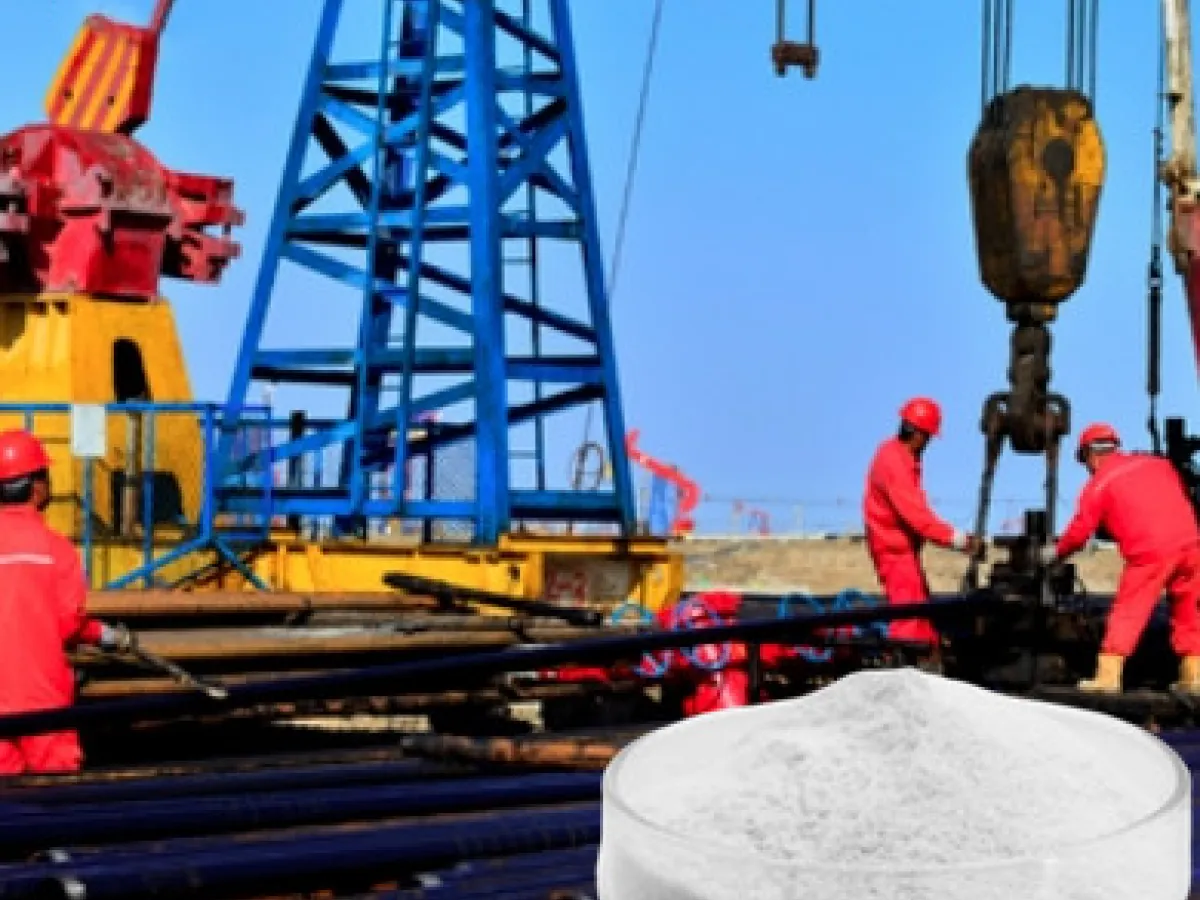
Oil extraction is typically divided into three stages: primary recovery relies on natural reservoir pressure, with a recovery rate of about 30%; secondary recovery replenishes energy through water flooding or gas injection; tertiary recovery (Enhanced Oil Recovery, EOR) uses chemical, physical, or other methods to further extract remaining oil. Welan gum, as a new type of biopolymer flooding agent, is playing an increasingly important role in tertiary oil recovery.

I. Mechanism of Welan Gum in Tertiary Oil Recovery
Welan gum is a high-molecular-weight polysaccharide produced by microbial fermentation. Its application in tertiary oil recovery is based on the following mechanisms:
Improving the oil-water mobility ratio: Welan gum solution has a high viscosity. When injected into the reservoir, it effectively increases the viscosity of the displacing phase (water phase), reducing the viscosity difference between water and crude oil, thereby improving the oil-water mobility ratio. This action suppresses the "viscous fingering" phenomenon, allowing the displacement fluid to advance more uniformly and thus enhancing sweep efficiency.
Expanding sweep volume: Welan gum solution preferentially enters high-permeability zones. By increasing flow resistance, it forces subsequent displacement fluid to divert into medium- and low-permeability zones, thereby expanding the macroscopic sweep range of the displacement fluid. Experimental studies have shown that welan gum can generate flow resistance in large pore channels, redirecting the injected fluid into small pores with higher oil saturation, thus improving oil recovery.
Reducing interfacial tension: When used in combination with surfactants, welan gum can synergistically reduce the oil-water interfacial tension and enhance oil displacement efficiency. Patent research indicates that a foaming agent composition formed by welan gum and non-ionic surfactants (such as alkyl polyglycosides) significantly improves foam stability by increasing the viscosity of the water phase and the strength of the liquid film, thereby enhancing oil displacement efficiency.
Profile control and water shutoff: Welan gum can undergo crosslinking reactions with certain metal ions (such as trivalent chromium) to form a gel. This gel is used to adjust the water absorption profile of injection wells, seal high-permeability channels, and force injected water to divert toward oil-bearing zones, thereby improving recovery.

II. Product Details and Technical Parameters
Basic physicochemical properties
Welan gum appears as a white to off-white free-flowing powder. It is readily soluble in cold water, forming a high-viscosity solution. Its molecular structure consists of tetrasaccharide repeating units composed of D-glucose, D-glucuronic acid, L-rhamnose, and L-mannose, with a weight-average molecular weight typically ranging from 350,000 to 670,000.
Typical concentration for use
In tertiary oil recovery flooding systems, the recommended concentration of welan gum is 0.1% to 0.5%. For example, field trials in the Chunguang Oilfield achieved significant results using an enhanced foam system of 0.4% surfactant + 0.1% welan gum. In drilling mud systems, an addition level of 0.25% to 0.33% is sufficient to meet requirements.
Key performance indicators
- Apparent viscosity: Produces a high effective viscosity even at low concentrations (0.3 g/L). At 1 ppb concentration and 1.5 rpm, the viscosity can exceed 2000 cP.
- High-temperature resistance: Viscosity does not decrease after sterilization at 121°C for 15 minutes; viscosity approaches zero at 163°C, outperforming xanthan gum (whose viscosity reaches zero at 135°C).
- pH resistance: Remains stable within the pH range of 2 to 12, with viscosity largely unaffected by changes in pH.
- Salt tolerance: Maintains good viscosity characteristics under high-salinity conditions, with no precipitation or flocculation even in saturated salt solutions.
III. Core Advantages
1. Excellent temperature and salt resistance
The most outstanding advantage of welan gum is its exceptional thermal and salt stability. Under harsh reservoir conditions of high temperature (>120°C) and high salinity (high total dissolved solids), welan gum maintains stable thickening performance. Under the same conditions, xanthan gum solution loses viscosity at 135°C, while welan gum solution only approaches zero viscosity at 163°C. This characteristic makes it particularly suitable for oil displacement operations in deep wells, ultra-deep wells, and high-temperature, high-salinity reservoirs.
2. Excellent shear-thinning characteristics
Welan gum exhibits typical pseudoplastic fluid behavior: viscosity decreases significantly when sheared (e.g., during pumping or passing through pore throats), allowing easy flow; viscosity rapidly recovers once shearing ceases. This property ensures good injectability of the displacement fluid into the reservoir while providing sufficient suspension and carrying capacity under static conditions, facilitating the displacement of crude oil from small pores.
3. Efficient thickening at low concentrations
Welan gum has extremely high thickening efficiency, achieving ideal solution viscosity at low addition levels (0.1%–0.5%). At the same dosage, a welan gum drilling fluid system exhibits higher apparent viscosity and dynamic shear stress than a xanthan gum system. This means significant thickening effects can be achieved at relatively low cost, offering high economic efficiency.
4. Good synergistic effects
Welan gum has good compatibility with other surfactants and polymers. When formulated with surfactants to form an enhanced foam system, welan gum significantly improves foam stability by increasing the viscosity of the water phase and the strength of the foam liquid film, delaying foam collapse and thereby prolonging the action time of the displacement fluid in the reservoir. Experimental data show that the enhanced oil recovery effect of a composite system of 0.4% surfactant + 0.1% welan gum is far superior to that of a single-agent system.
In the international food and dietary supplement industries, sodium alginate and carrageenan are two widely used seaweed-derived hydrocolloids. Despite their shared origin, the und
In oil and gas drilling operations, the prosperity of a drilling process heavily depends on the rheological properties and filtration behavior of drilling fluids . Uncontrolled flu
The first step in making gelatin gummies is to allow the gelatin to fully hydrate. Gelatin does not dissolve in cold water, but it can absorb water and swell in cold water. This pr
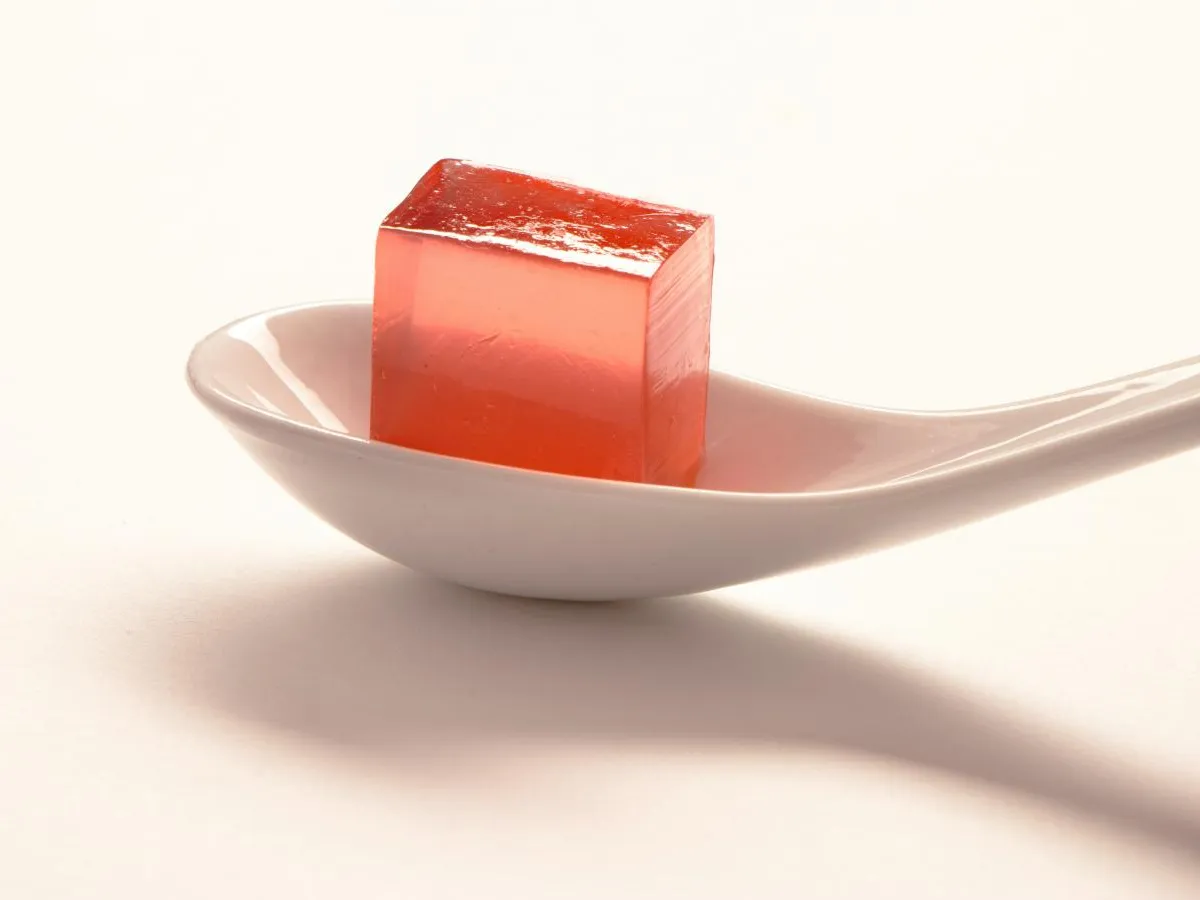
The key difference? Gelatin is a protein from animal collagen; agar is a carbohydrate from red algae.This fundamental distinction drives every other difference between them — and d
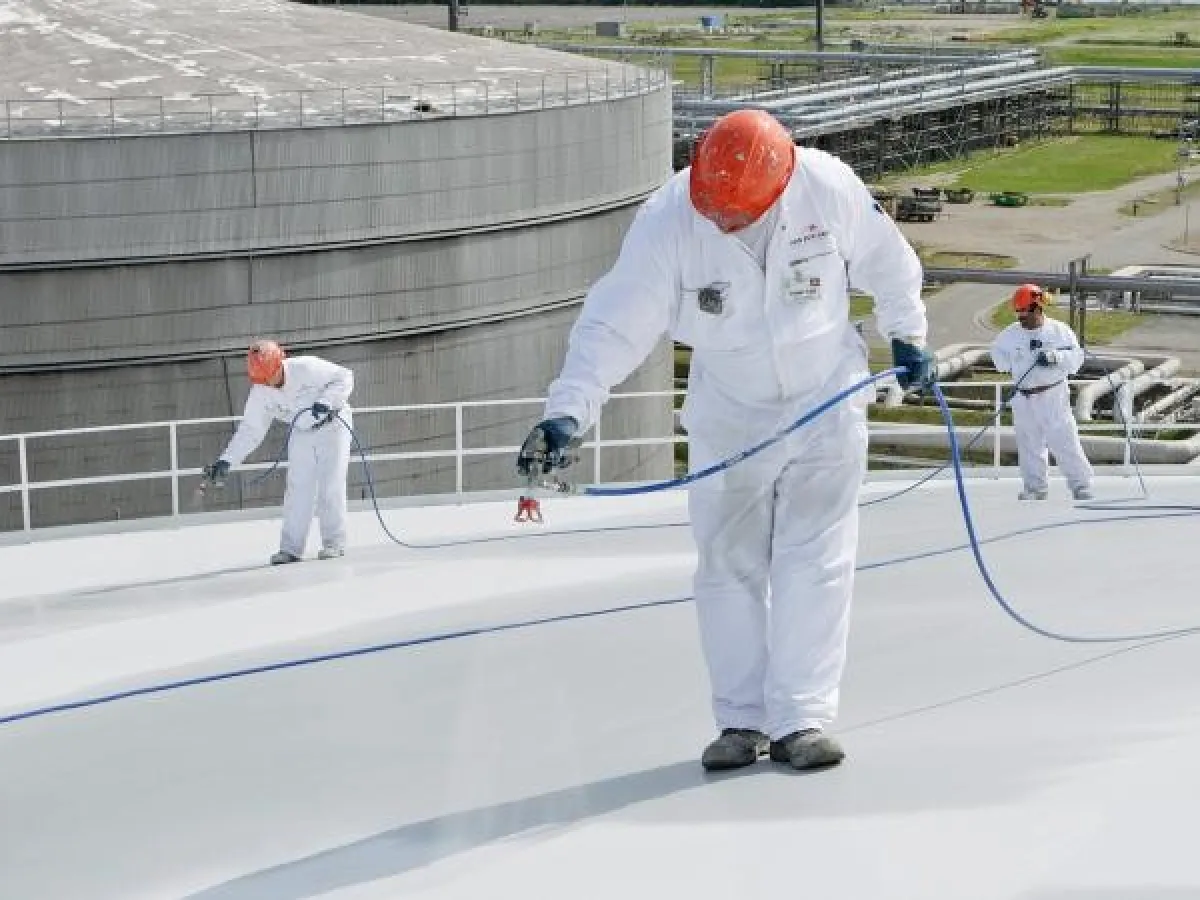
In the papermaking industry, modified starch is one of the core additives. Oxidized starch, cationic starch, and esterified starch are mainly used for surface sizing, internal sizi
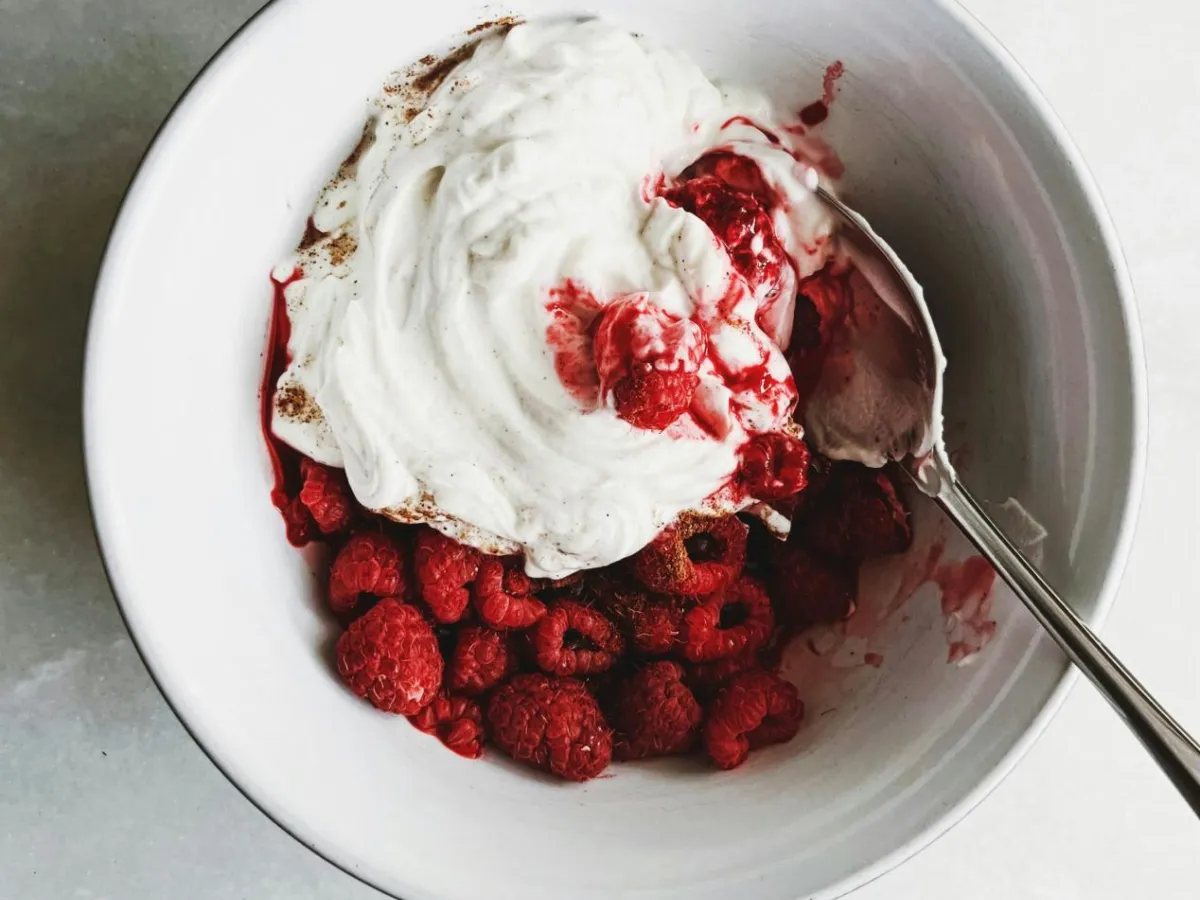
The adoption of pectin in yogurt is not just anecdotal. According to market data, more than half of all new spoonable yogurt launches now contain pectin. This widespread acceptance
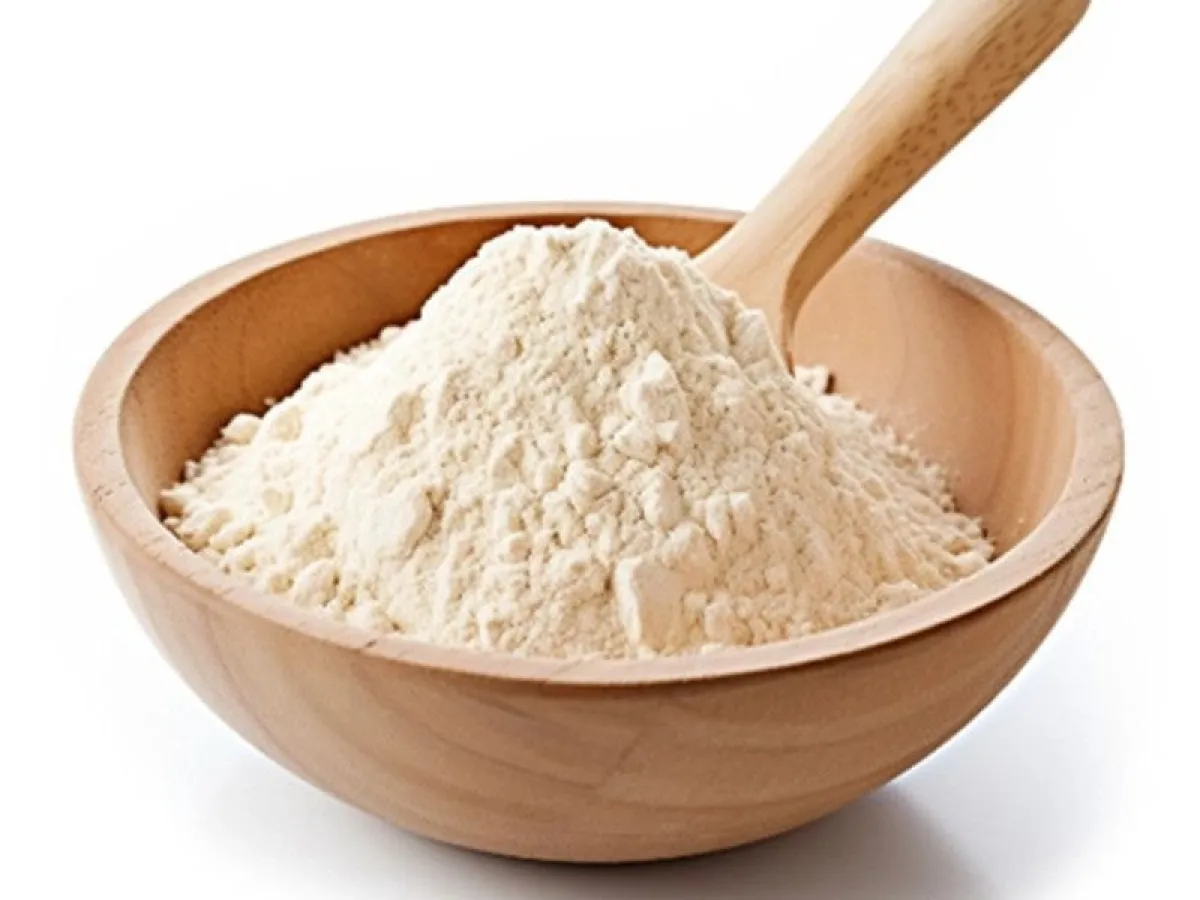
High concentrations of protein ingredients inherently carry a heavy, powdery mouthfeel and astringent notes. The key application detail of gelatin lies in its thermally reversible
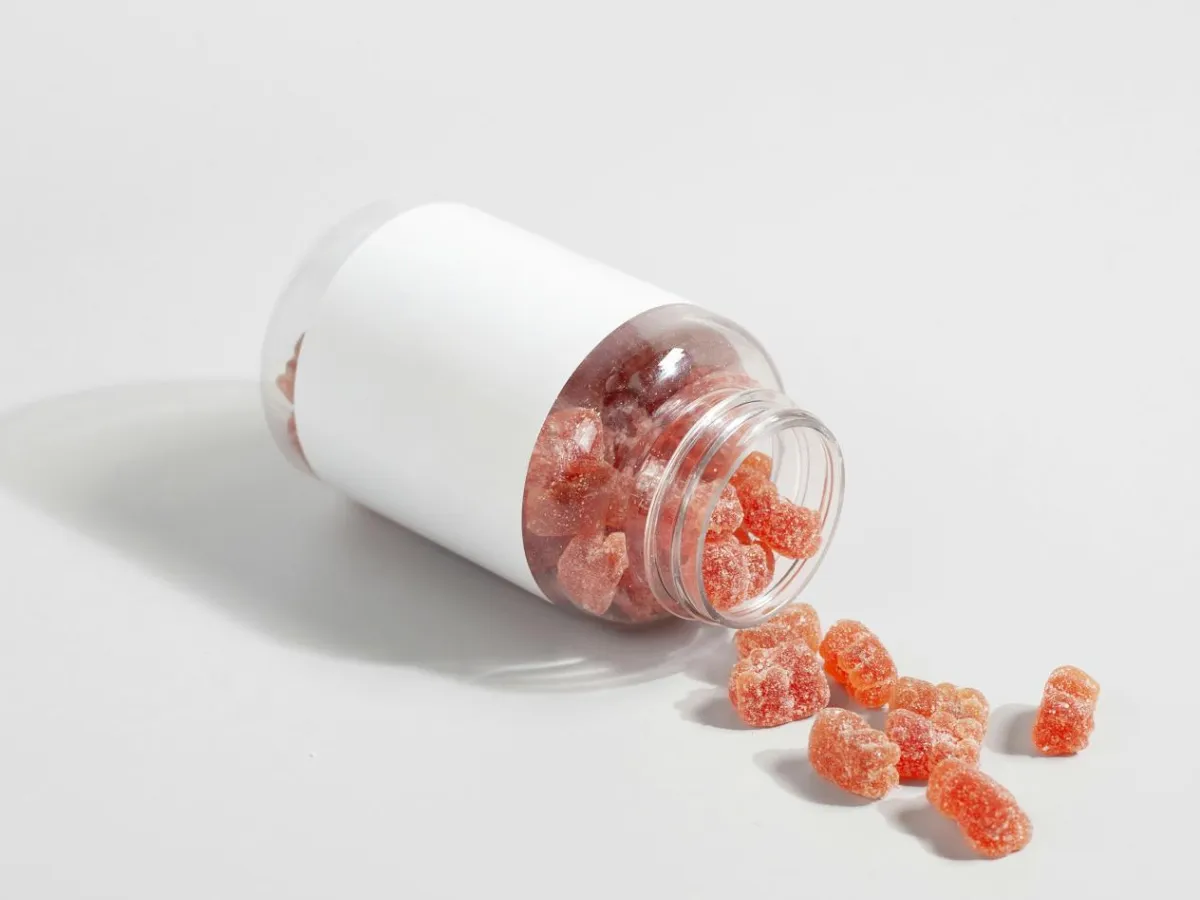
Today, vegan gummies are one of the fastest-growing segments in confectionery. And at the center of this shift stands pectin – a plant-derived hydrocolloid that is proving to be mo
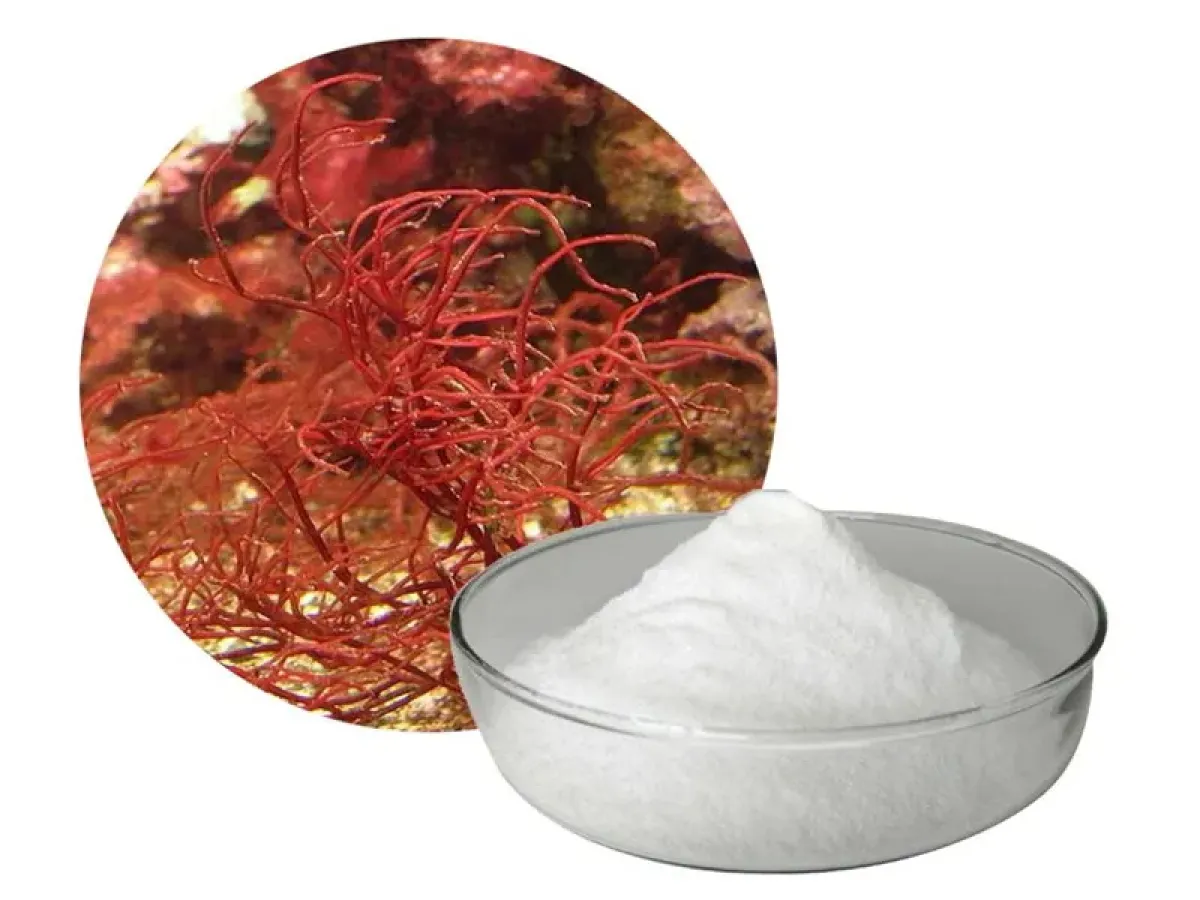
From a physicochemical perspective, carrageenan possesses unique solubility, dissolving in hot water at around 80°C to form a viscous, transparent solution, but insoluble in cold w
The primary role of CMC in toothpaste is to provide the desired texture, consistency, and stability. Specifically, it performs the following critical functions: