For any formulator developing jellies, panna cotta, or gummy confections, the choice of gelling agent is one of the most consequential decisions in the process. Gelatin has been the industry standard for decades. But as plant-based and clean-label demands reshape the food landscape, agar has emerged as its primary challenger.
The key difference? Gelatin is a protein from animal collagen; agar is a carbohydrate from red algae.This fundamental distinction drives every other difference between them — and determines which one belongs in your product.
What Makes Them Different at the Molecular Level
Gelatin is derived from the partial hydrolysis of collagen found in animal connective tissue (skin, bones, and cartilage). It forms a gel through the formation of triple helices that trap water molecules. Because it is a protein, gelatin is sensitive to proteolytic enzymes — meaning fresh pineapple, kiwi, or papaya can destroy its gel structure entirely.
Agar, on the other hand, is a polysaccharide extracted from red seaweed species like Gracilaria and Gelidium. It consists of two fractions: agarose (the gelling component) and agaropectin. As a carbohydrate, agar is immune to enzymatic breakdown. This means you can formulate fruit jellies with raw tropical fruit purees — something impossible with gelatin.
The Thermal Gap: Why Temperature Matters
This is where the two diverge most dramatically, and where many product developers go wrong when attempting a straight substitution.
Gelatin melts at approximately 35°C–37°C — essentially body temperature. This low melting point is responsible for its signature "melt-in-the-mouth" sensation. When a consumer bites into a gelatin-based gummy, the heat of the tongue gradually dissolves the gel structure, releasing flavor slowly and smoothly.
Agar sets at roughly 32°C–45°C (depending on source and concentration), but **does not melt until it reaches 85°C–95°C**. This extreme thermal hysteresis means agar desserts are remarkably heat-stable. A vegan agar jelly will hold its shape on a warm buffet table or during transport in tropical climates — circumstances where gelatin would collapse.
However, this heat stability comes with a tradeoff. Agar does not melt in the mouth. It must be chewed. This rheological difference explains why agar desserts feel "firm" and "brittle" rather than creamy and indulgent.
Texture Profile: Brittle vs. Elastic
Studies on jelly texture confirm the sensory differences. In a comparative study of jellies made with different gelling agents, hardness decreased in the order agar > konjac > carrageenan > gelatin. Gelatin demonstrated the highest springiness and cohesiveness — meaning it stretches before breaking and feels bouncy or elastic on the palate.
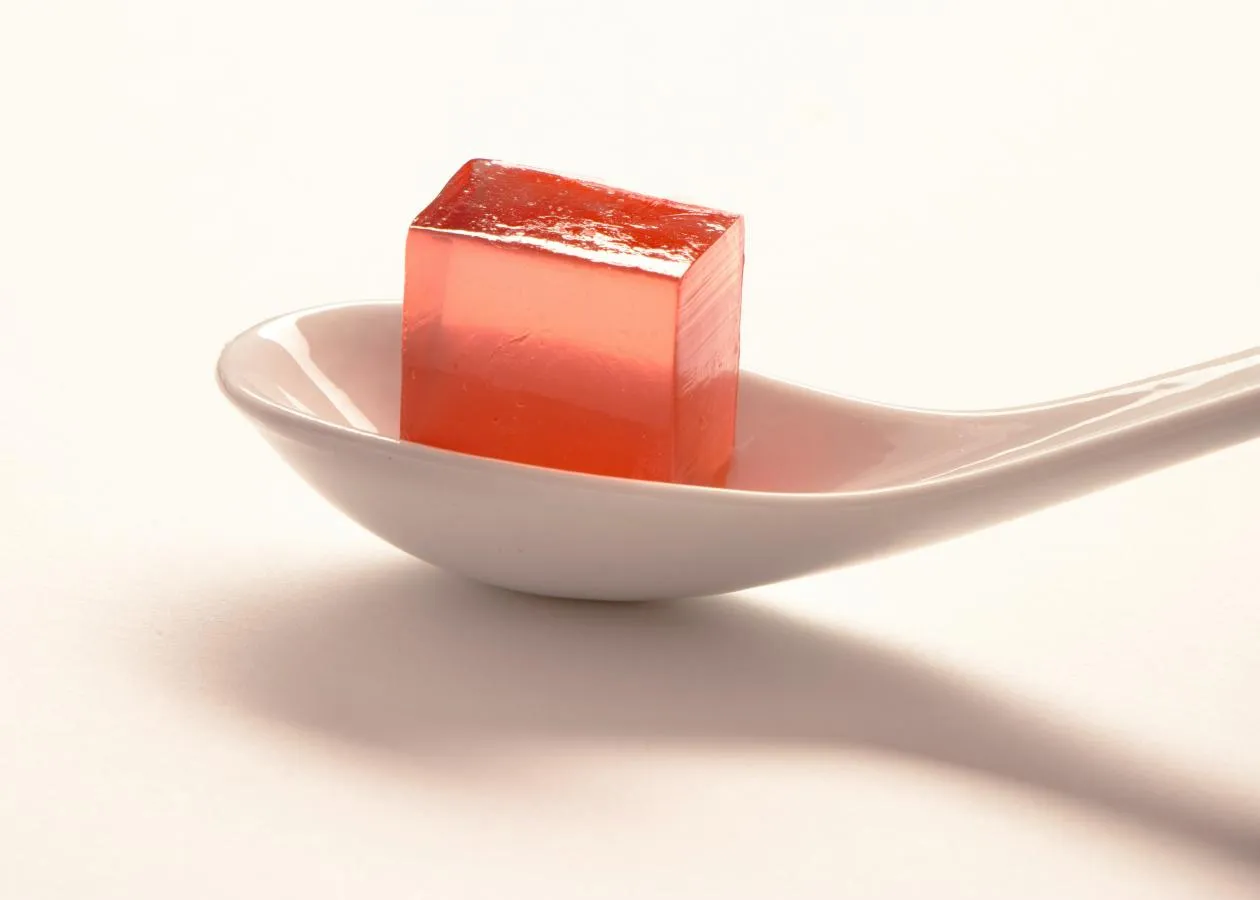
Agar gels, by contrast, are described as "short" or "brittle." When a spoon cuts through an agar jelly, it breaks cleanly with a sharp fracture. It has very low elasticity. If you shake an agar jelly, it jiggles less than a gelatin one.
This is not about one being "better." It is about matching the ingredient to the application.
Dosage and Activation
From a cost perspective, agar is significantly more potent:
1.Gelatin in a typical recipe: 1.5% to 2.0% of the formulation
2.Agar in a typical recipe: 0.5% to 0.8% (high-quality agar can gel at even lower concentrations)
However, activation requirements differ completely. Gelatin can simply be hydrated in warm water ("blooming"). **Agar must be boiled** — the solution must reach 95°C–100°C for several minutes to fully dissolve the polysaccharide chains. Simply warming an agar mix will not activate it, and the gel will not set.
Where Substitution Works — and Where It Doesn't
Agar works well as a gelatin substitute for:
1.Fruit jellies and aspics
2.Heat-stable desserts for buffets or warm climates
3.Vegan/vegetarian products where animal origin is unacceptable
4.Halal and kosher formulations
Agar is problematic for:
1.Panna cotta, mousse, and marshmallows (products relying on melt-in-mouth texture)
2. Anything requiring elasticity or a creamy mouthfeel
Practical Tips for Formulators
1. Never substitute 1:1. Agar is typically used at one-quarter to one-third the amount of gelatin.
2. Consider blending. Agar can be combined with locust bean gum or xanthan gum to increase elasticity and reduce brittleness, bringing the texture closer to gelatin.
3. Watch for acids. High-acid fruits (citrus, strawberries, kiwi) may require additional agar to achieve full gelation.
4. Know your form. Agar powder dissolves more quickly than flakes or strands. Powder is the easiest to work with; flakes require soaking and blending.
Contact us for a free sample and formulation consultation — and discover which gelling agent best fits your product.
The key difference? Gelatin is a protein from animal collagen; agar is a carbohydrate from red algae.This fundamental distinction drives every other difference between them — and d

In the papermaking industry, modified starch is one of the core additives. Oxidized starch, cationic starch, and esterified starch are mainly used for surface sizing, internal sizi
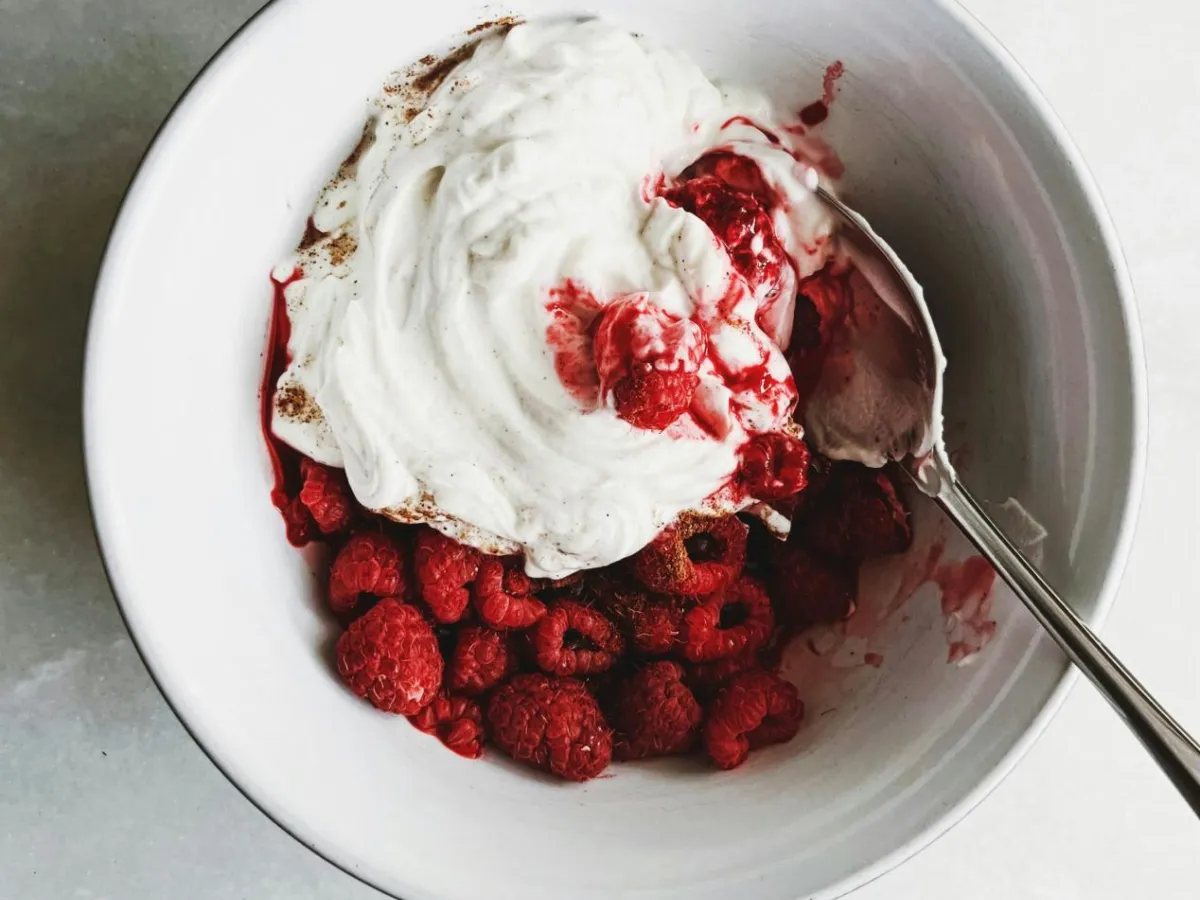
The adoption of pectin in yogurt is not just anecdotal. According to market data, more than half of all new spoonable yogurt launches now contain pectin. This widespread acceptance
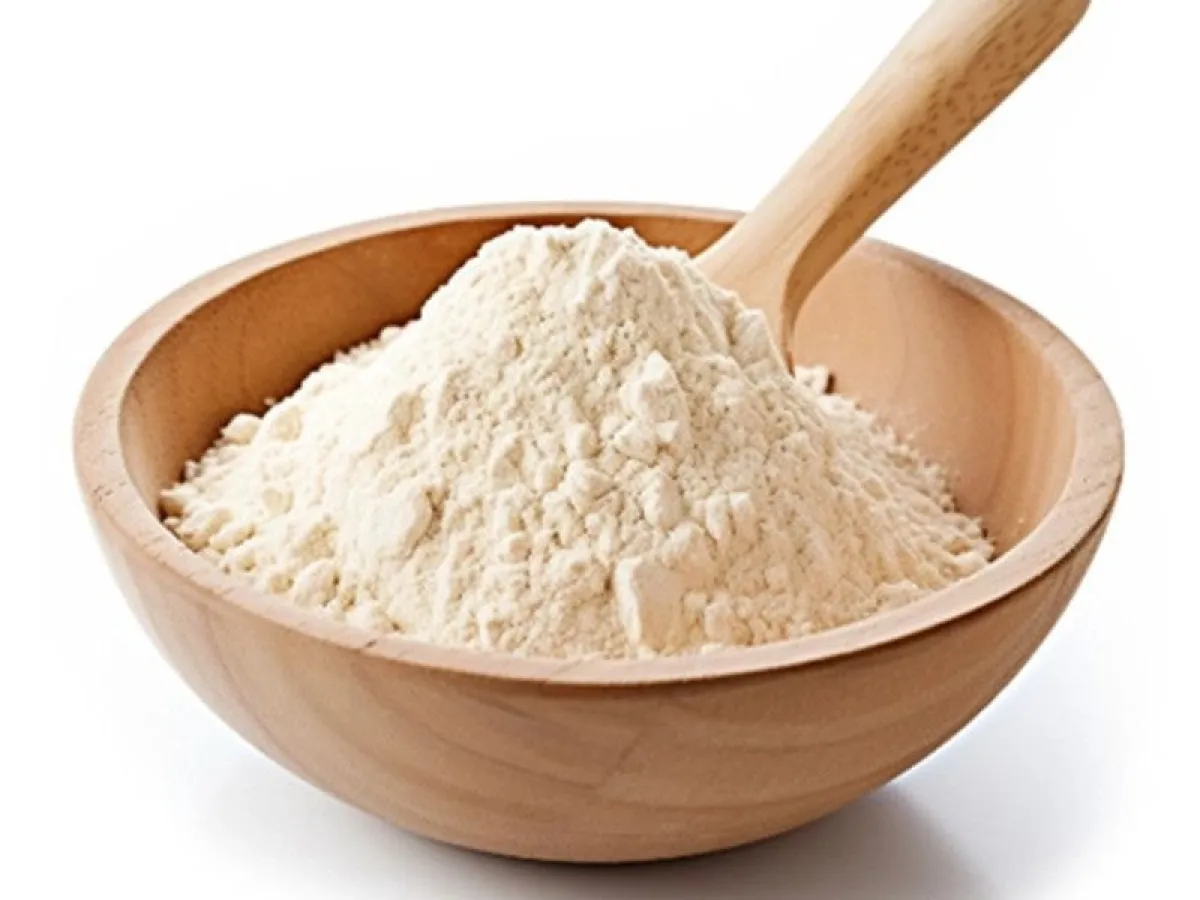
High concentrations of protein ingredients inherently carry a heavy, powdery mouthfeel and astringent notes. The key application detail of gelatin lies in its thermally reversible
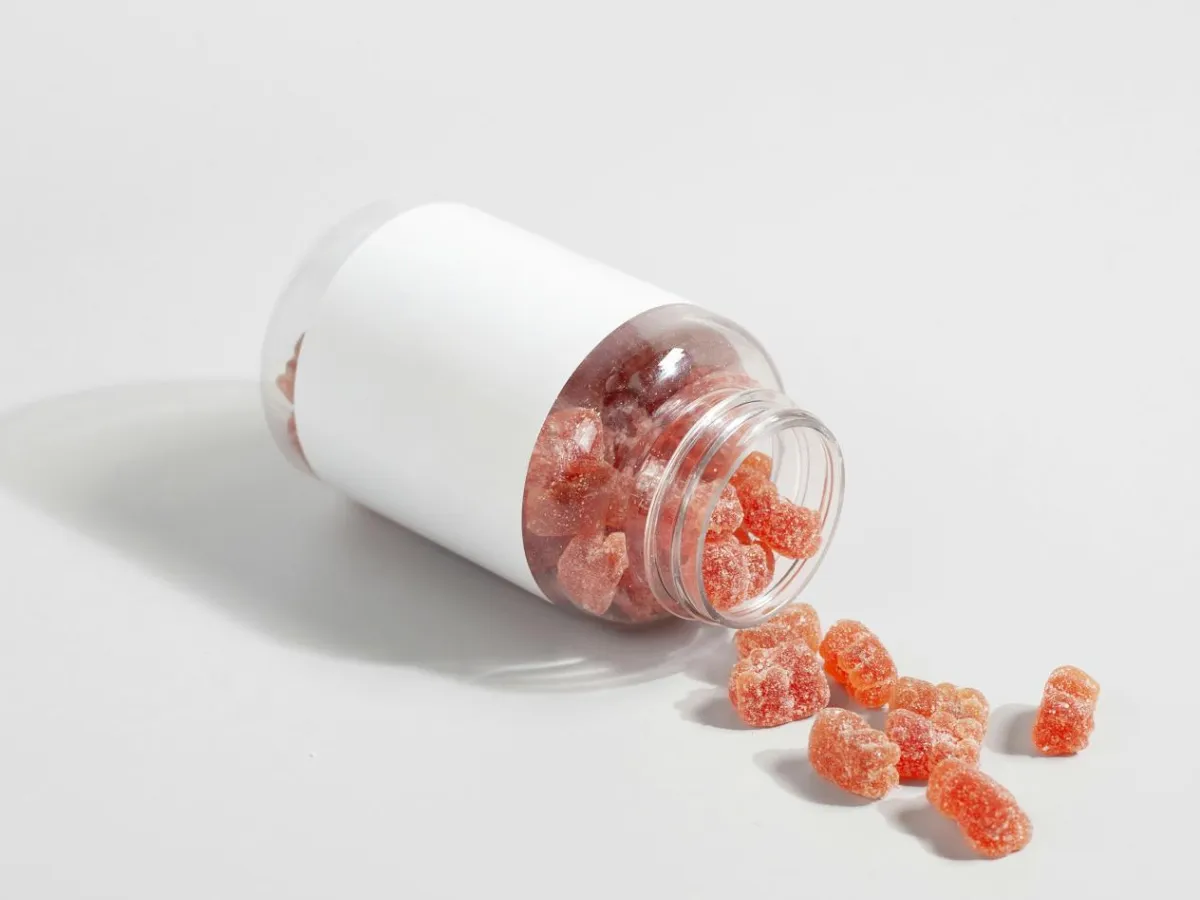
Today, vegan gummies are one of the fastest-growing segments in confectionery. And at the center of this shift stands pectin – a plant-derived hydrocolloid that is proving to be mo
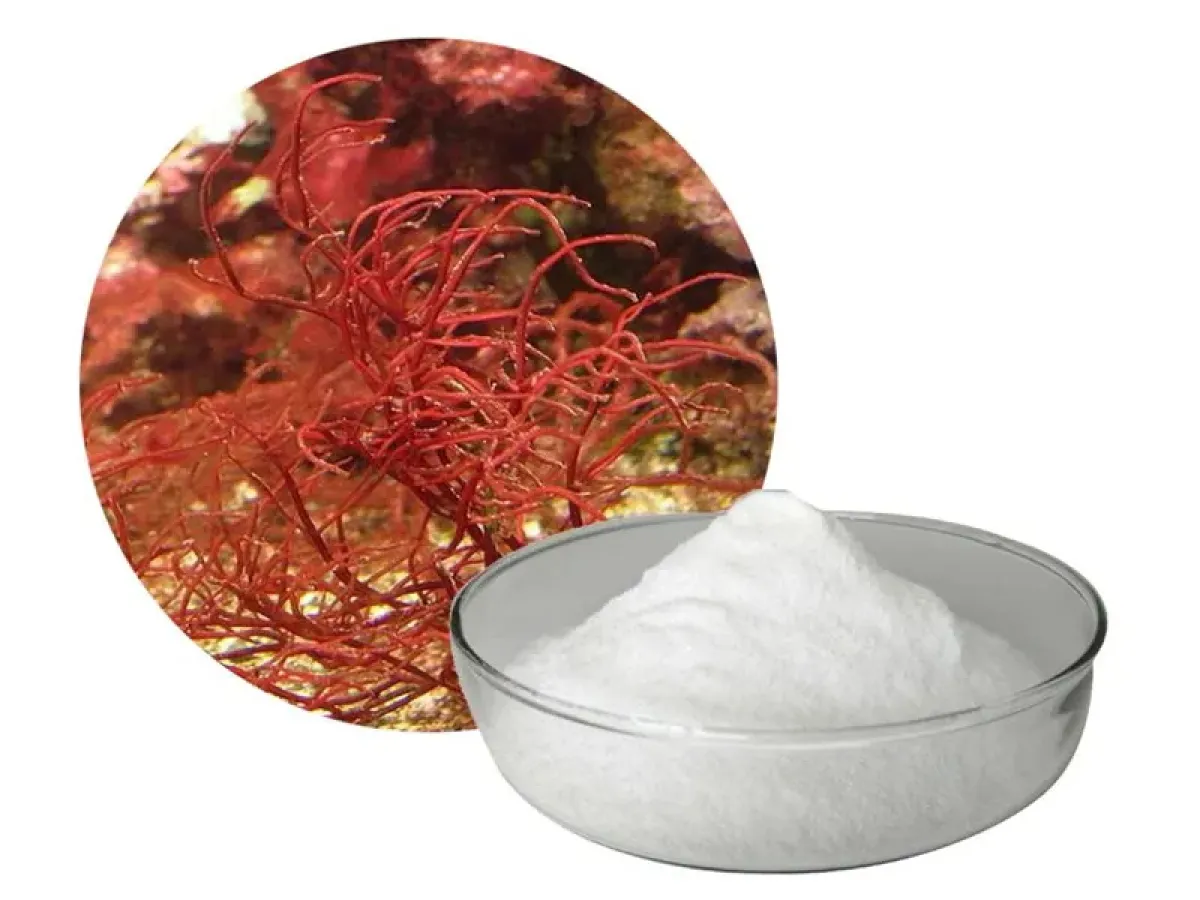
From a physicochemical perspective, carrageenan possesses unique solubility, dissolving in hot water at around 80°C to form a viscous, transparent solution, but insoluble in cold w
The primary role of CMC in toothpaste is to provide the desired texture, consistency, and stability. Specifically, it performs the following critical functions:
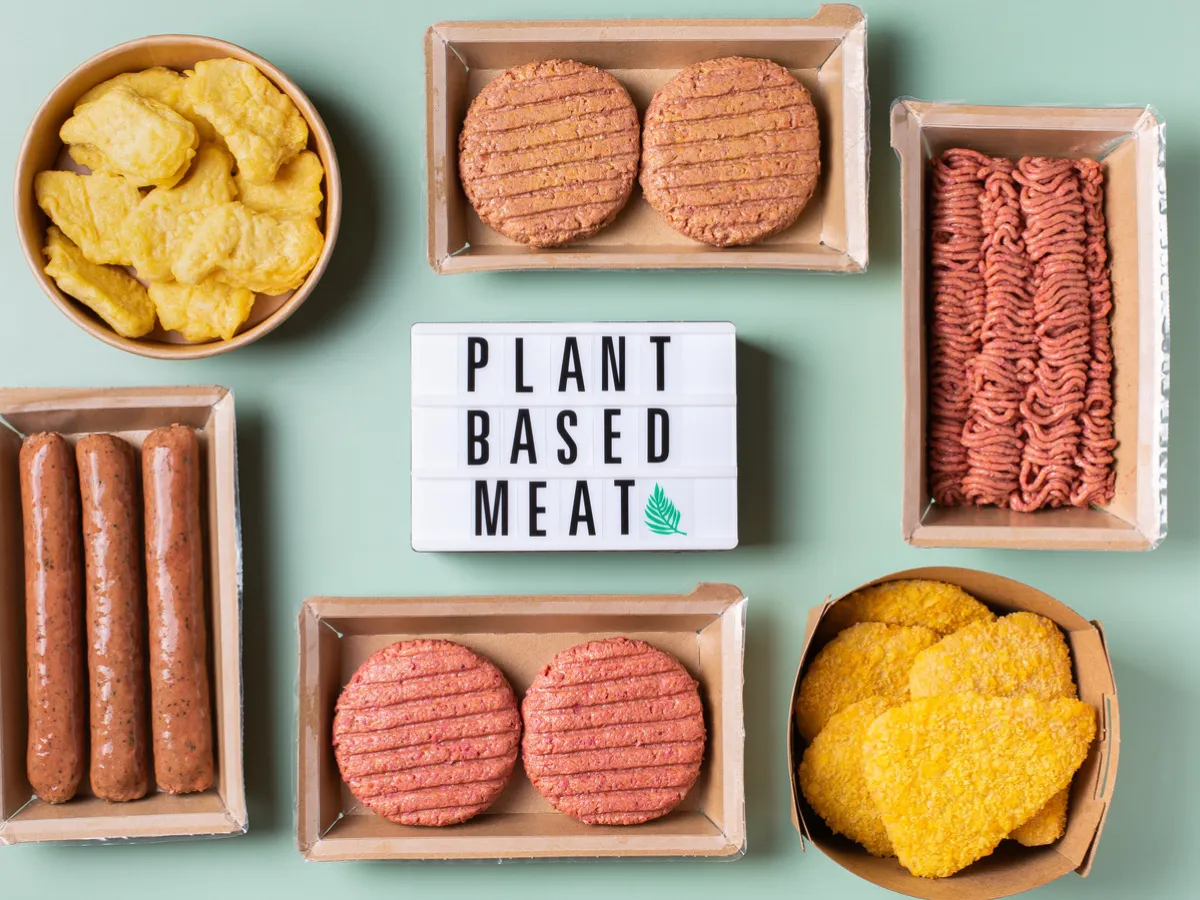
In food production, the most important functions of sodium alginate are thickening and stabilization. Taking fruit juice drinks, fruit pulp drinks, and plant protein drinks as exam

Extrusion-based 3D food printing has made significant strides in recent years, but two challenges continue to limit its broader adoption: the suboptimal rheological properties of e
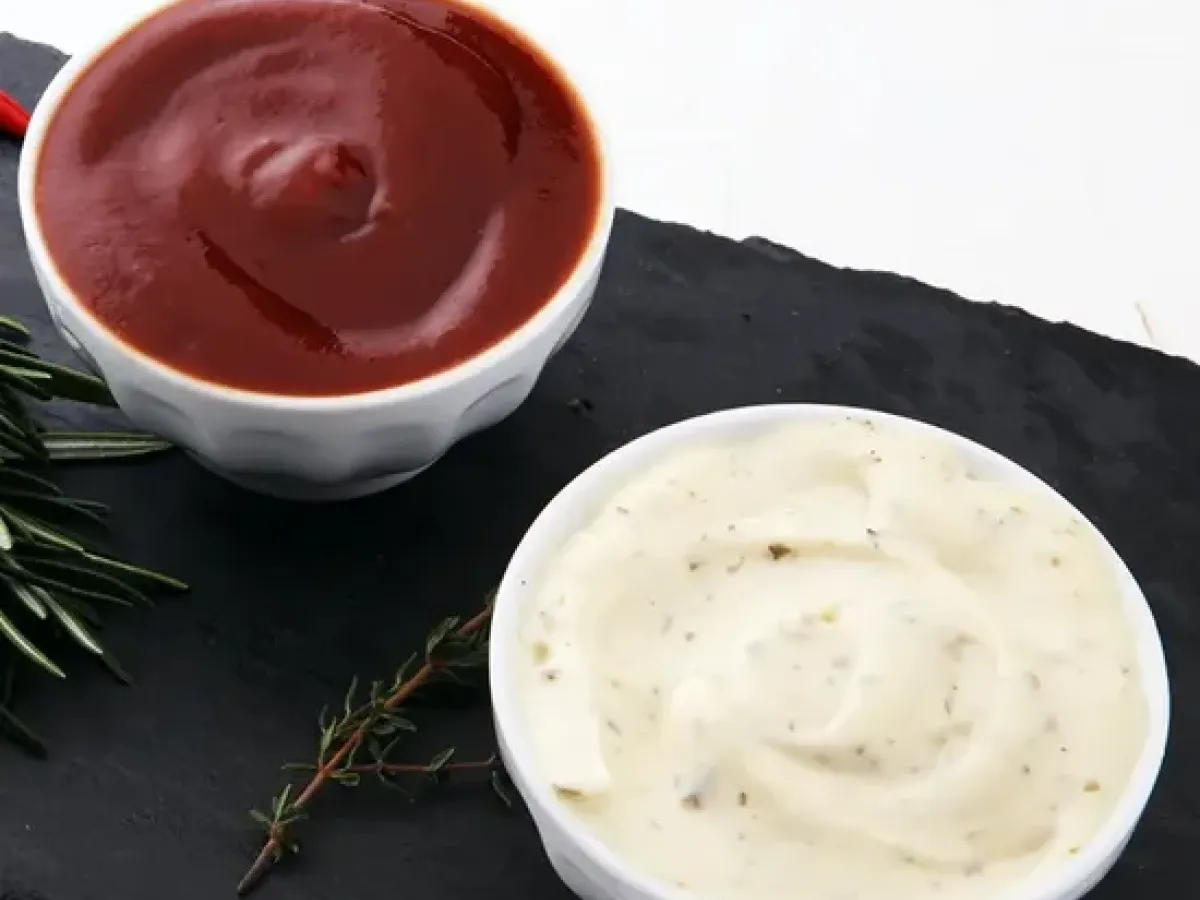
The biggest advantage of this modified corn starch specifically for sauces is its resistance to cooking, acid, and shearing. Sauce production requires high-temperature cooking, hig