As a professional agar supplier, we often get asked two very different questions: "Is this the same as the bacteriological agar used in labs?" and "Can this really replace gelatin in vegan desserts?"
The short answer is: Yes, but don't mix them up. While bacteriological agar is highly purified for Petri dishes, our focus today is on food-grade agar, the secret weapon behind every silky vegan panna cotta, firm jelly, and creamy cheese alternative.
Why Agar is the King of Vegan Desserts
For home bakers and food manufacturers, finding a perfect gelatin substitute is a holy grail. Most plant-based gelling agents—like pectin or carrageenan—are either too soft or require tons of sugar to set. Agar for vegan desserts solves all these problems.
Derived from red algae (Gracilaria or Gelidium), agar sets firmer than gelatin, requires no refrigeration to harden (it sets at room temperature), and melts at a much higher temperature (185°F / 85°C). This thermal stability is a lifesaver for summer desserts or tropical climates where gelatin collapses.
Agar vs. Gelatin: The Vegan Advantage
Here is why your customers are searching for this ingredient:
1.Texture Control: Gelatin gives a wobbly, soft "melt-in-mouth" feel. Agar gives a clean, firm break. (Pro tip: To mimic gelatin's softness, blend agar with locust bean gum or a pinch of xanthan gum.)
2.Speed: Gelatin needs chilling for hours. Agar sets in 30-60 minutes at room temperature.
3.Clean Label: Agar is a fiber. It is kosher, halal, non-GMO, and calorie-free.
How to Use Agar in Vegan Desserts (The Right Way)
This is where most beginners fail—and where your expertise as a supplier adds value.
1. Activation is Key
Unlike gelatin (which blooms in cold water), agar must be boiled. Simply stirring it into cold juice will result in a gritty mess. You need to bring the liquid to a full rolling boil for 3–5 minutes to hydrate the polysaccharides.
2. Acidity Matters
High-acid ingredients (lemon, lime, passionfruit) weaken agar's structure. If you are making a vegan lemon curd or sour berry jelly, increase the agar powder by 15-20%, or add a calcium buffer.
3. The "No-Stir" Rule
Once you pour the hot liquid into molds, do not move them. Agar sets almost instantly. If you stir after it begins to gel, you will break the lattice structure and end up with a watery puree.
Top 5 Vegan Desserts with Agar
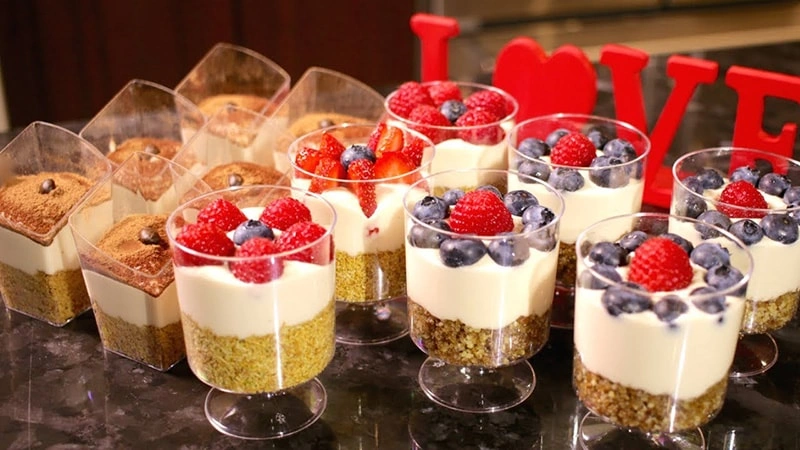
1. Vegan Panna Cotta: Creamy coconut milk + sugar + 0.5% agar powder.
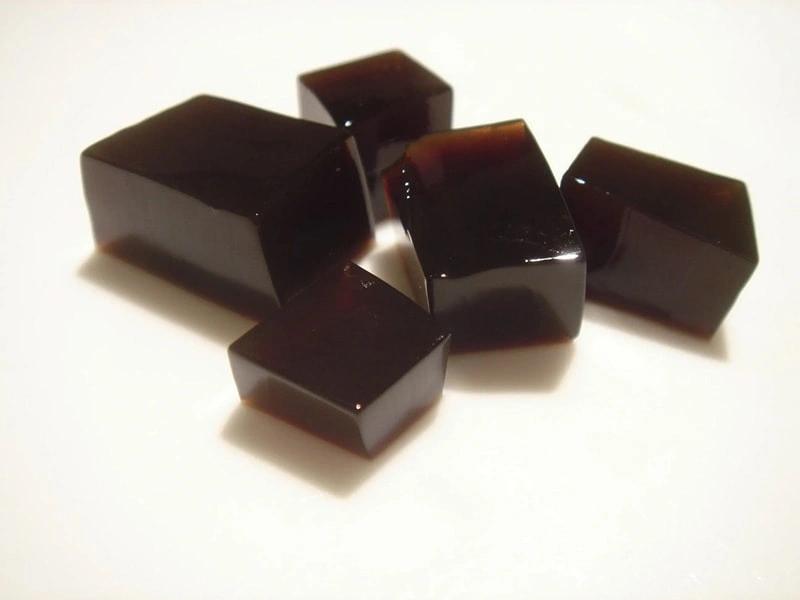
2. Plant-Based Jelly: Clarified fruit juice + agar. Crystal clear and sturdy.
3. Vegan Cheese Boards: Agar creates the firm "skin" for cashew-based cheese.
4. Agar Noodles (Kanten): Zero-calorie noodles made by scraping set agar.
5. Flower Jelly Cakes: Agar's transparency showcases edible flowers beautifully.
Food Grade vs. Bacteriological Agar
We often get search traffic from people confusing bacteriological agar with food agar. While they come from the same source, bacteriological agar undergoes intense purification, removing minerals that affect gel strength. It is overkill for desserts (and expensive).
For vegan cooking, you want standard food-grade agar with a gel strength of 500-700 g/cm². Our product is tested for heavy metals and pathogens, ensuring it is safe for consumption—something a lab-grade product isn't labeled for.
Final Tips
If you are a manufacturer: Use agar at 0.2% to 0.5% of the liquid weight. Too much, and your dessert becomes rubbery.
If you are a home baker: Store agar in an airtight container. It is hygroscopic; humidity will ruin its gelling power.
Ready to elevate your vegan desserts? Contact us to request a free sample of our premium food-grade agar powder.
In the international food and dietary supplement industries, sodium alginate and carrageenan are two widely used seaweed-derived hydrocolloids. Despite their shared origin, the und

In oil and gas drilling operations, the prosperity of a drilling process heavily depends on the rheological properties and filtration behavior of drilling fluids . Uncontrolled flu
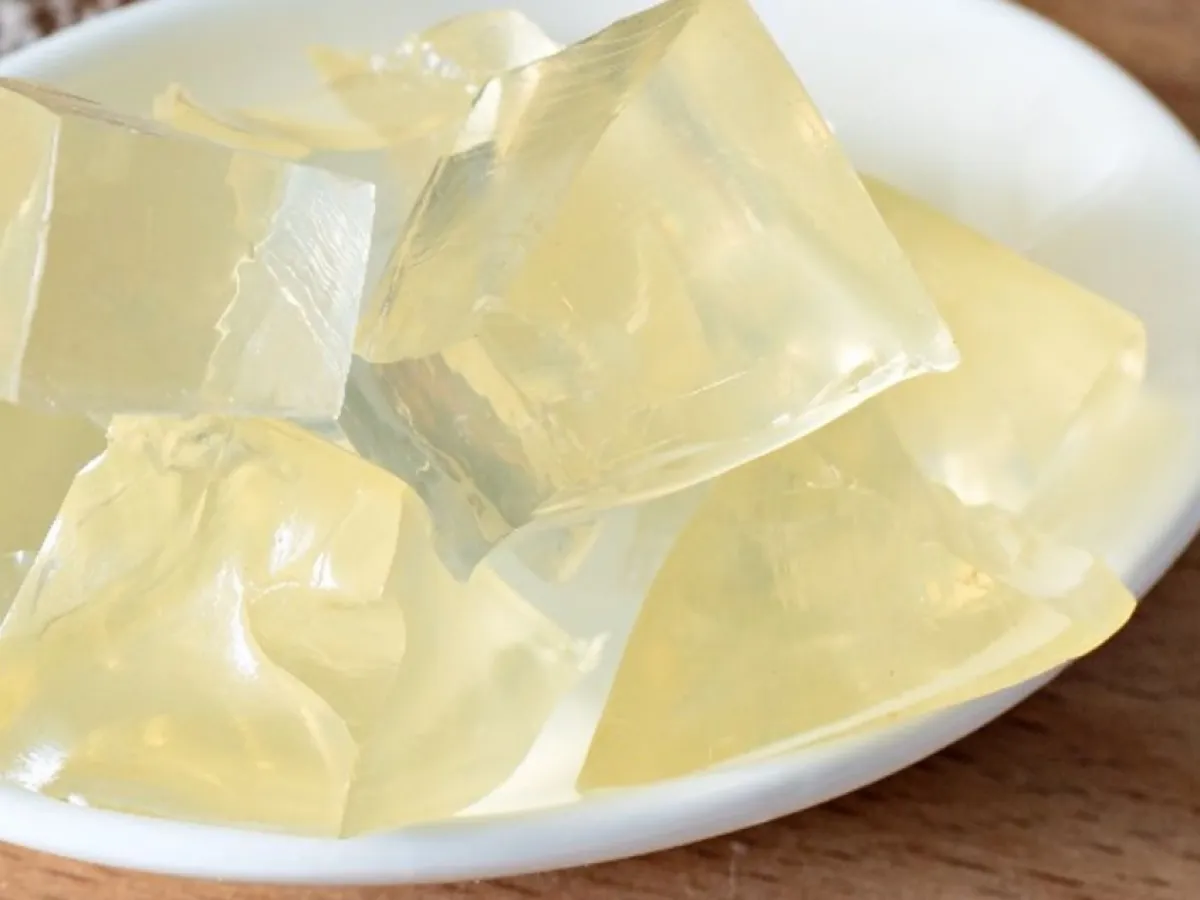
The first step in making gelatin gummies is to allow the gelatin to fully hydrate. Gelatin does not dissolve in cold water, but it can absorb water and swell in cold water. This pr
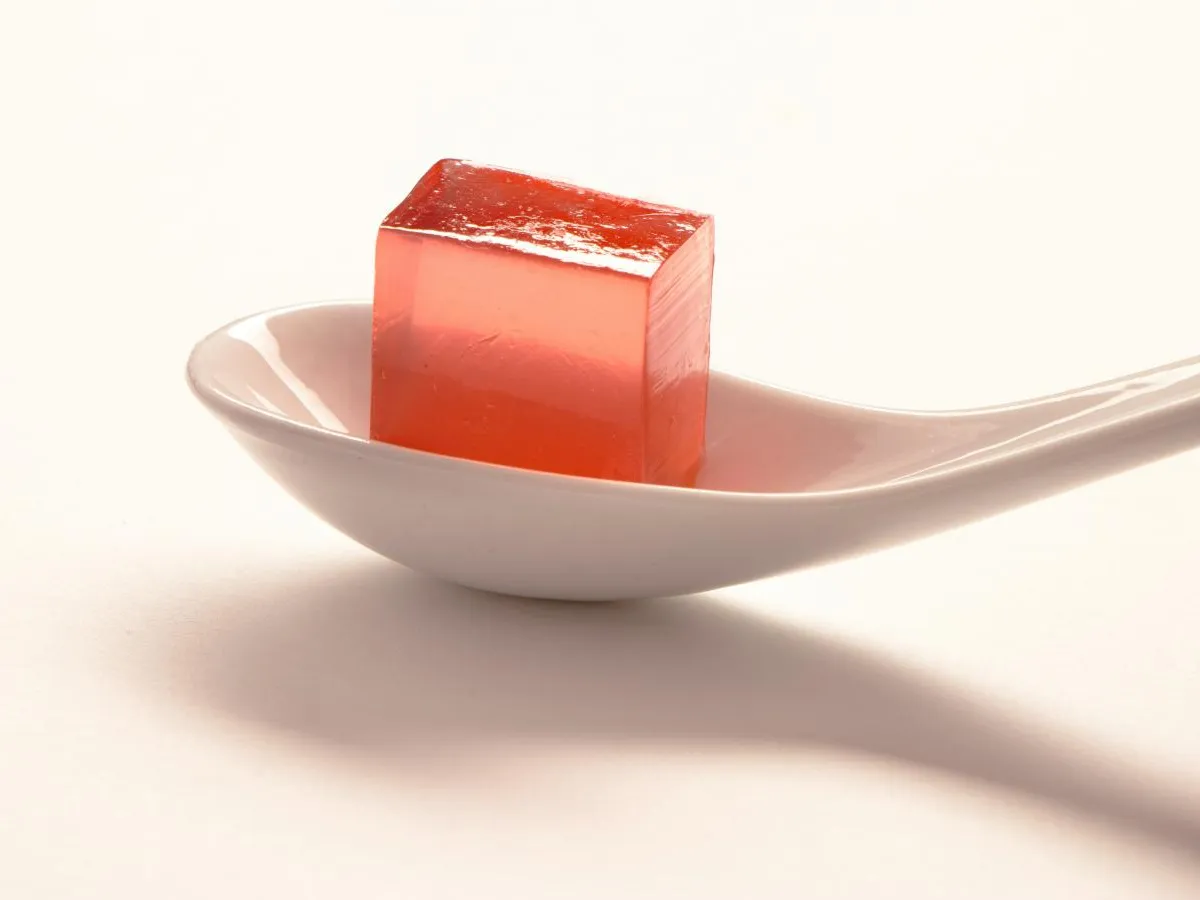
The key difference? Gelatin is a protein from animal collagen; agar is a carbohydrate from red algae.This fundamental distinction drives every other difference between them — and d

In the papermaking industry, modified starch is one of the core additives. Oxidized starch, cationic starch, and esterified starch are mainly used for surface sizing, internal sizi
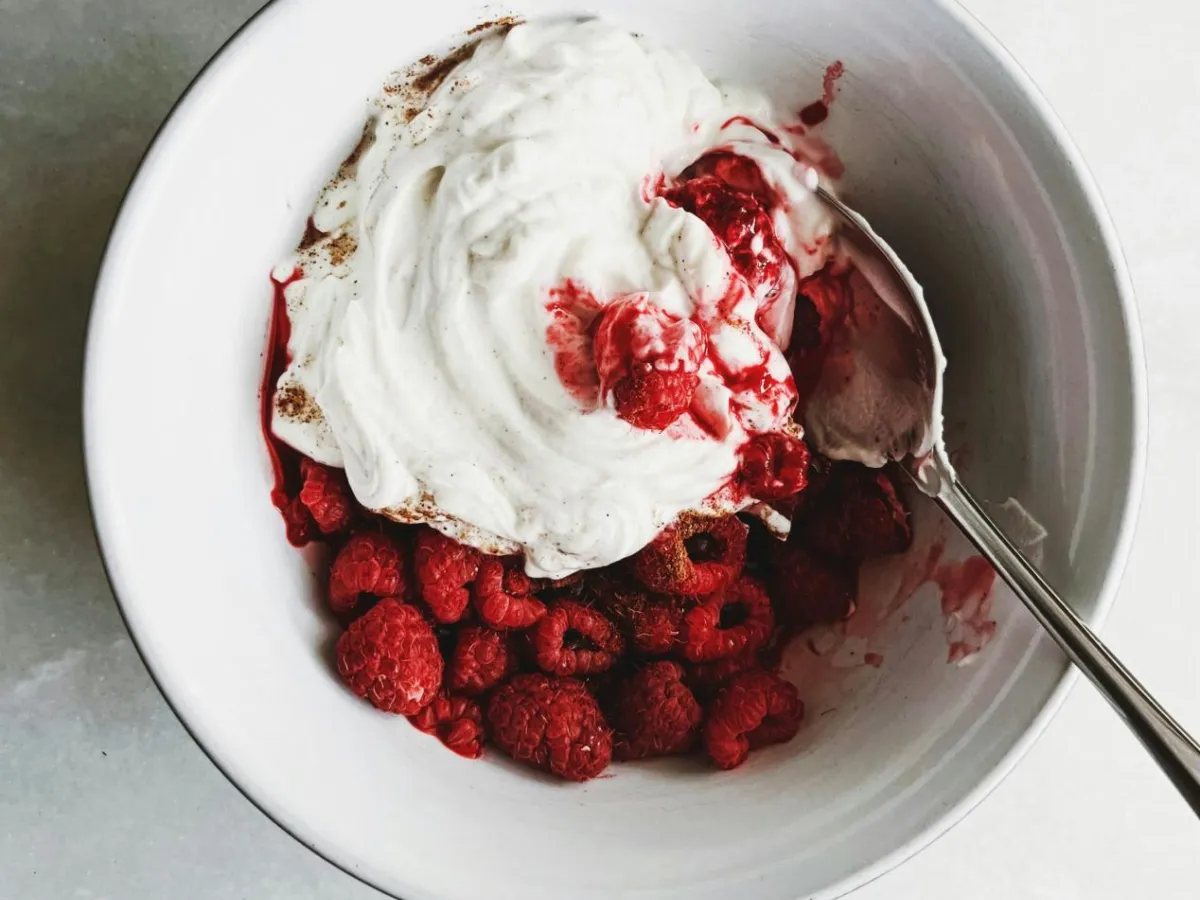
The adoption of pectin in yogurt is not just anecdotal. According to market data, more than half of all new spoonable yogurt launches now contain pectin. This widespread acceptance
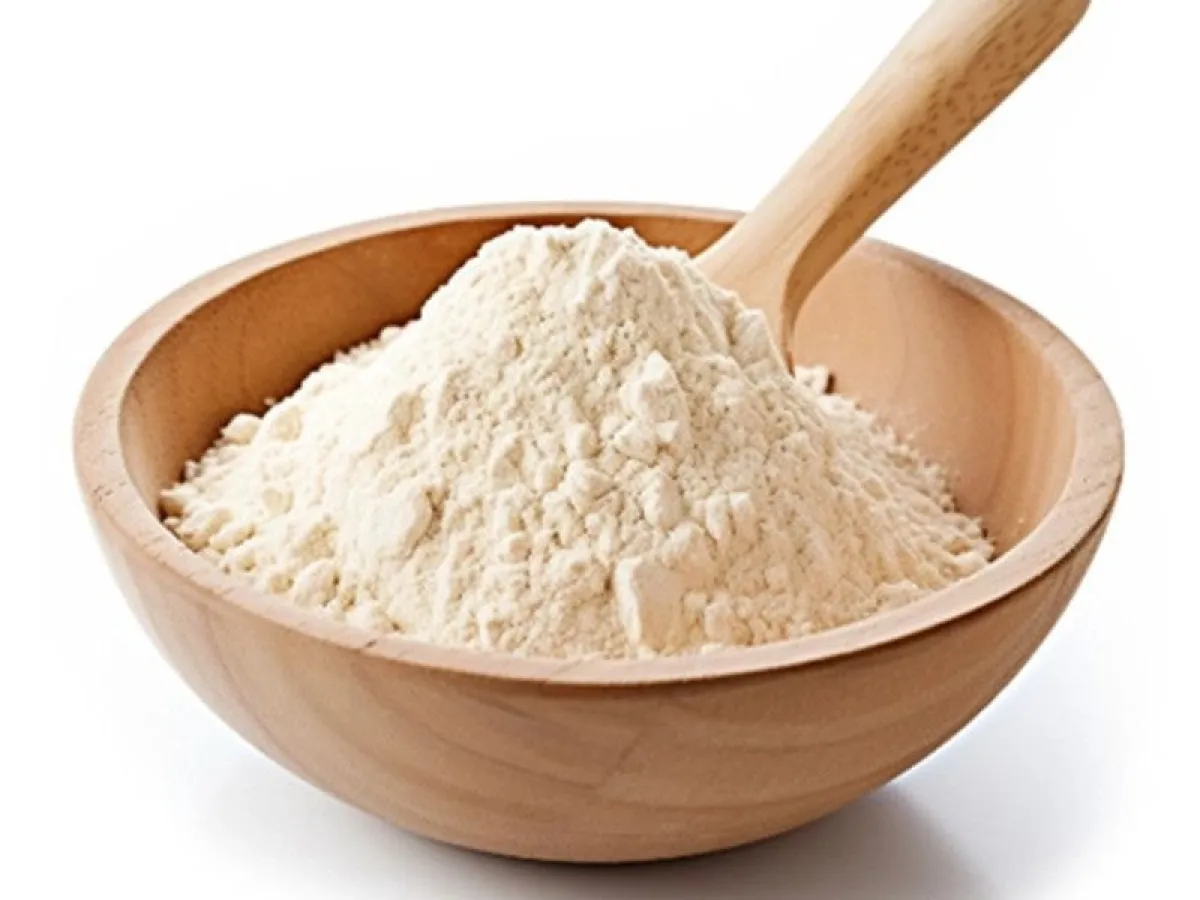
High concentrations of protein ingredients inherently carry a heavy, powdery mouthfeel and astringent notes. The key application detail of gelatin lies in its thermally reversible
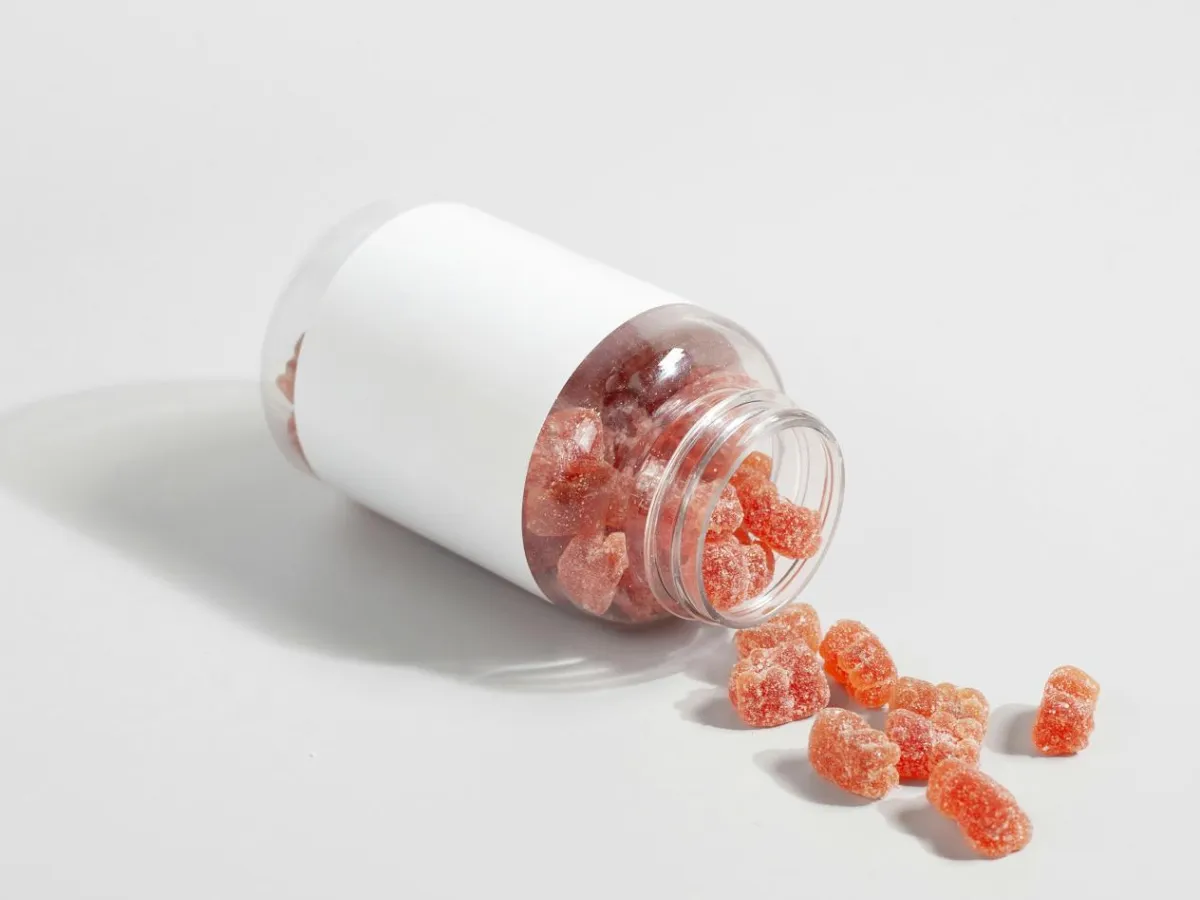
Today, vegan gummies are one of the fastest-growing segments in confectionery. And at the center of this shift stands pectin – a plant-derived hydrocolloid that is proving to be mo
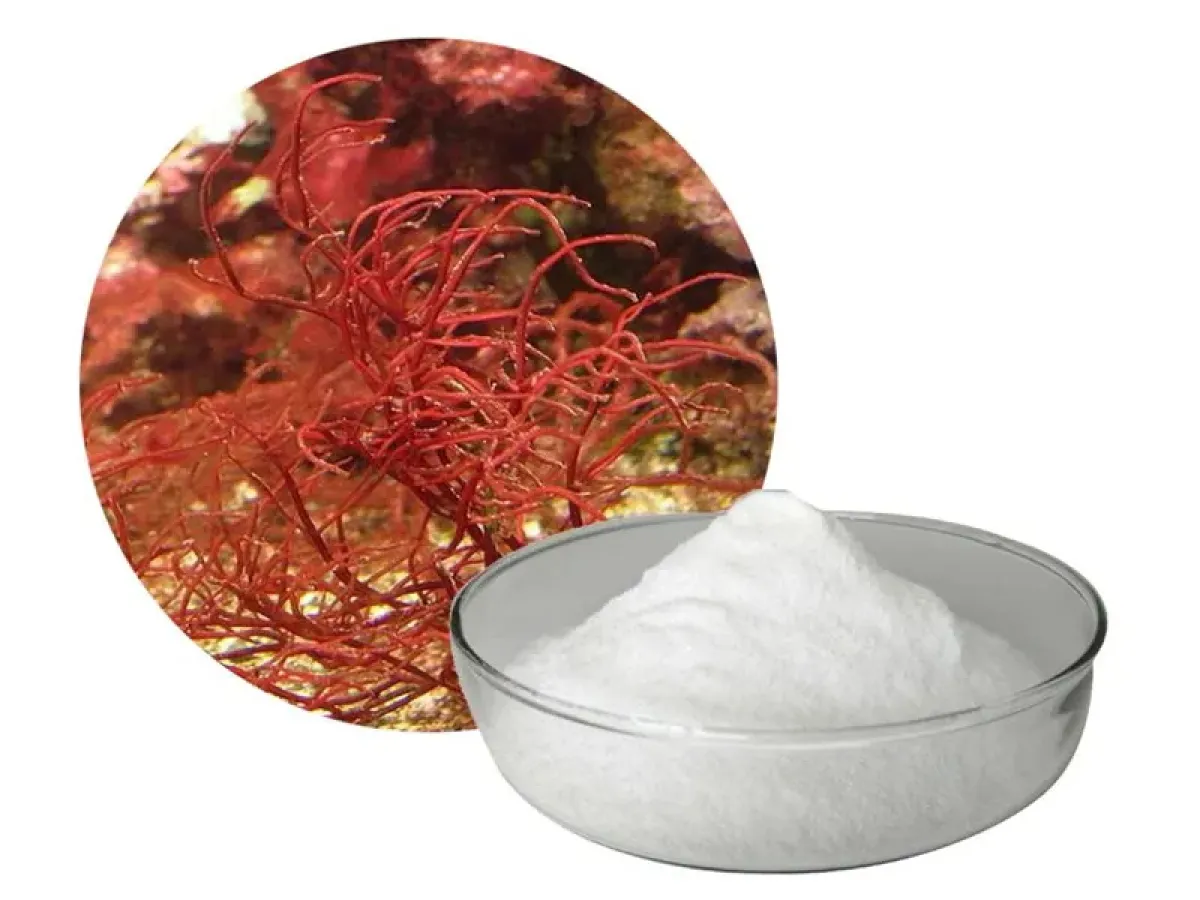
From a physicochemical perspective, carrageenan possesses unique solubility, dissolving in hot water at around 80°C to form a viscous, transparent solution, but insoluble in cold w
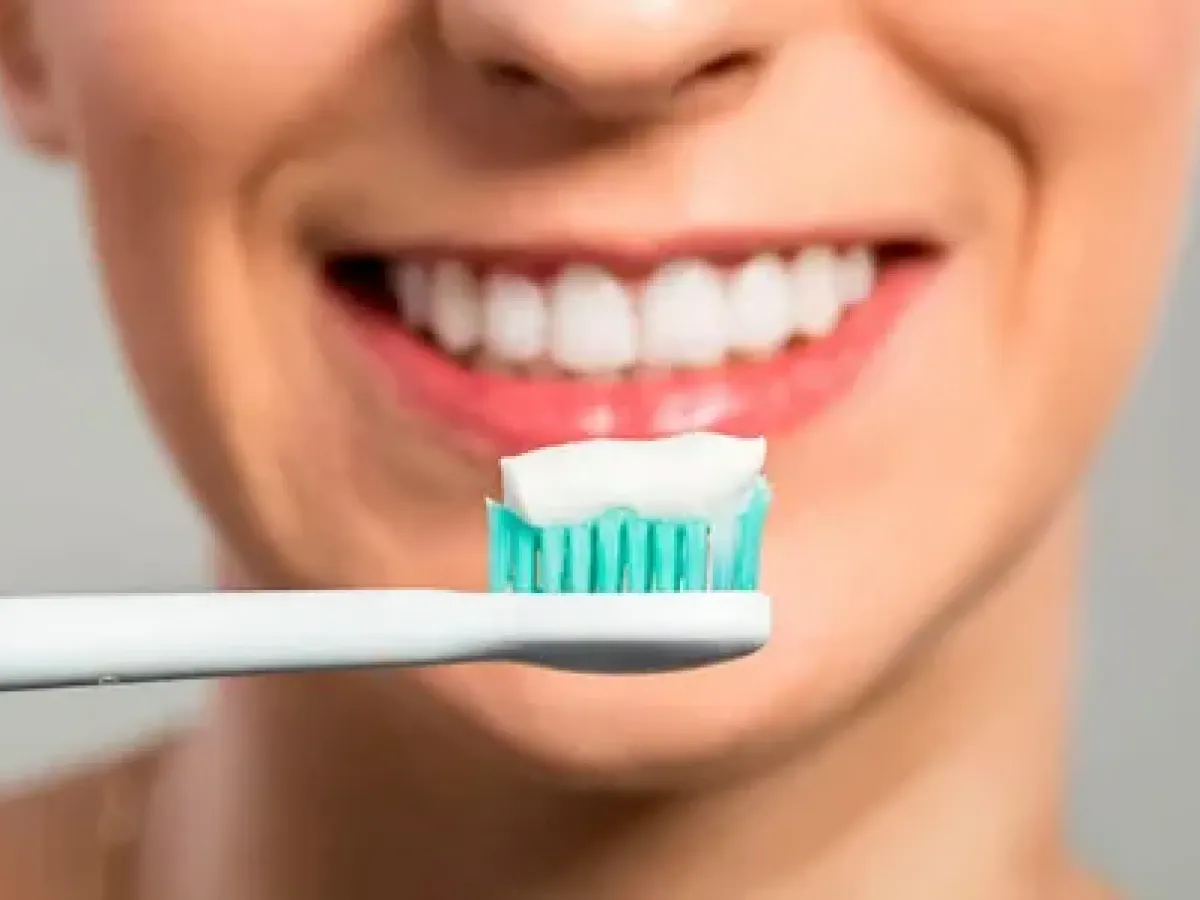
The primary role of CMC in toothpaste is to provide the desired texture, consistency, and stability. Specifically, it performs the following critical functions: