
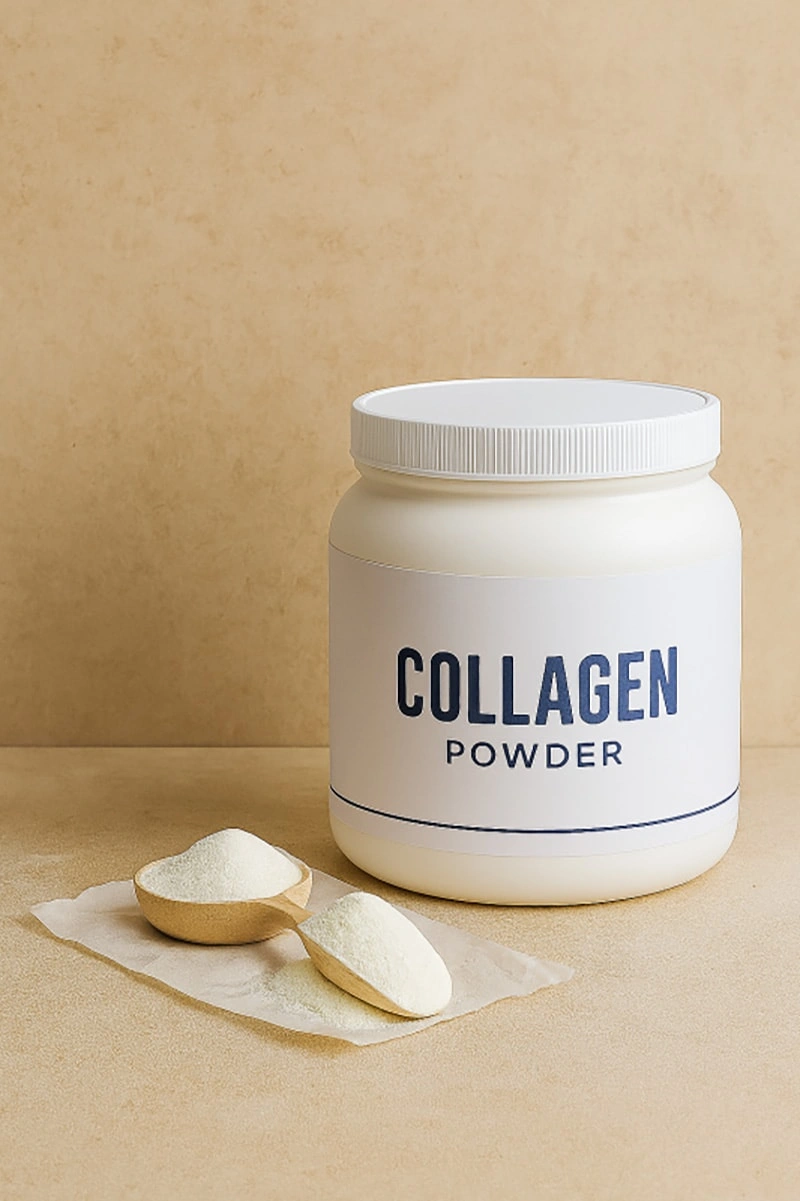
Collagen is the most abundant protein in the human body and an important structural component of connective tissues such as bones, joints, and tendons. In bone tissue, type I collagen constitutes approximately 90% of the organic matrix, providing an elastic scaffold for the deposition of hydroxyapatite (bone mineral). With aging, collagen synthesis decreases and its degradation accelerates, leading to reduced bone density and an increased risk of osteoporosis. Therefore, supplementing with collagen powder as a nutritional intervention has gained widespread attention in bone health products.

I. Mechanisms of Collagen Powder in Improving Bone Health
In recent years, in vitro experiments, animal studies, and clinical trials have revealed multiple mechanisms by which collagen powder exerts its bone-health benefits.
1. Regulation of Bone Metabolism Balance
Collagen peptides (CPs) can directly act on the bone remodeling process. Studies have shown that CPs can promote the proliferation and differentiation of osteoblasts (promoting bone formation) while inhibiting the activation and maturation of osteoclasts (reducing bone resorption), thereby improving the balance of bone metabolism. Specifically, collagen peptides can stimulate the expression of bone-related genes through the activation of signaling pathways such as BMP/Smad and Wnt/β-catenin.
2. Promotion of Calcium Absorption and Utilization
Collagen peptides have the ability to promote calcium absorption and deposition. Some studies have found that specifically structured collagen peptides can form soluble complexes with calcium ions, improving the bioavailability of calcium and promoting its deposition in bone, thereby increasing bone calcium content and bone density. This is precisely why collagen powder is often combined with nutrients such as calcium and vitamin D in bone health products.
3. Regulation of the "Gut-Bone Axis" and Anti-inflammatory/Antioxidant Effects
Recent studies have also found that collagen peptides can indirectly affect bone metabolism by regulating the gut microbiota and its metabolites (i.e., the "gut-bone axis"). In addition, collagen peptides possess certain antioxidant and anti-inflammatory activities, which can reduce the damage caused by oxidative stress and chronic low-grade inflammation to bone tissue—both of which are important contributors to osteoporosis.
II. Core Product Details
1. Raw Material Types
Collagen powder is typically derived from animal tissues such as fish skin, fish scales, pig skin, and bovine hide. Through enzymatic hydrolysis, it is processed into collagen peptides with a relatively low molecular weight (generally 1000–5000 Da) to enhance absorption rate in the human body.
2. Product Formulation and Synergistic Effects
In bone health products, collagen powder is rarely used alone. It is usually combined with other bone-health nutrients to achieve synergistic effects. Common co-formulated ingredients include:
- Calcium: The main component of bone mineral, working synergistically with collagen to build bone strength.
- Vitamin D: Promotes calcium absorption and utilization.
- Casein Phosphopeptides (CPP): Further improve the bioavailability of calcium.
- Glucosamine/Chondroitin Sulfate: Target osteoarthritis and cartilage repair.
Clinical studies have confirmed that combined supplementation of collagen peptides with calcium and vitamin D leads to greater improvements in bone density than calcium supplementation alone.
3. Clinical Research Evidence
Multiple randomized controlled trials (RCTs) have shown that daily supplementation with specific collagen peptides (approximately 5–10 grams) for 12 months can significantly increase bone mineral density in the lumbar spine and femoral neck among postmenopausal women or individuals with osteopenia. A four-year observational study involving 131 postmenopausal women showed that long-term collagen peptide supplementation effectively counteracts the decline in bone density and improves bone stability. A recent meta-analysis also confirmed a positive correlation between collagen peptide supplementation and increased bone mineral density as well as improved bone turnover markers.
III. Core Advantages and Summary
Compared with traditional osteoporosis drugs, collagen powder as a nutritional supplement offers high safety, no significant side effects, and is suitable for long-term use.
Summary: Collagen powder, through multiple mechanisms including promoting bone formation, inhibiting bone resorption, and enhancing calcium utilization, shows positive effects on maintaining bone density, improving bone microstructure, and reducing fracture risk. It is especially recommended as a nutritional intervention for populations at high risk of osteoporosis (such as postmenopausal women and the elderly) and for individuals with osteopenia. As a dietary supplement, collagen powder is typically used in synergy with nutrients such as calcium and vitamin D to achieve optimal bone health benefits.
In the international food and dietary supplement industries, sodium alginate and carrageenan are two widely used seaweed-derived hydrocolloids. Despite their shared origin, the und

In oil and gas drilling operations, the prosperity of a drilling process heavily depends on the rheological properties and filtration behavior of drilling fluids . Uncontrolled flu

The first step in making gelatin gummies is to allow the gelatin to fully hydrate. Gelatin does not dissolve in cold water, but it can absorb water and swell in cold water. This pr

The key difference? Gelatin is a protein from animal collagen; agar is a carbohydrate from red algae.This fundamental distinction drives every other difference between them — and d

In the papermaking industry, modified starch is one of the core additives. Oxidized starch, cationic starch, and esterified starch are mainly used for surface sizing, internal sizi

The adoption of pectin in yogurt is not just anecdotal. According to market data, more than half of all new spoonable yogurt launches now contain pectin. This widespread acceptance
High concentrations of protein ingredients inherently carry a heavy, powdery mouthfeel and astringent notes. The key application detail of gelatin lies in its thermally reversible

Today, vegan gummies are one of the fastest-growing segments in confectionery. And at the center of this shift stands pectin – a plant-derived hydrocolloid that is proving to be mo
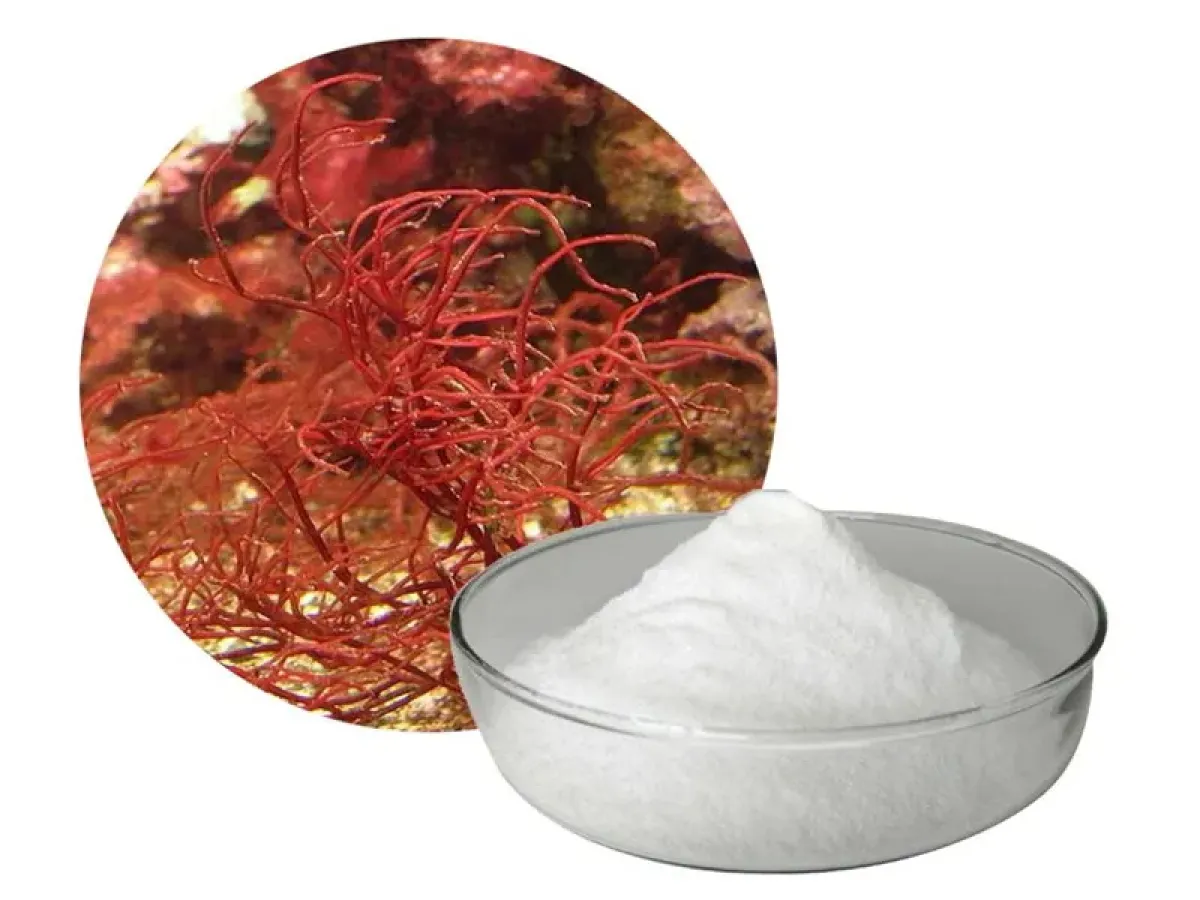
From a physicochemical perspective, carrageenan possesses unique solubility, dissolving in hot water at around 80°C to form a viscous, transparent solution, but insoluble in cold w

The primary role of CMC in toothpaste is to provide the desired texture, consistency, and stability. Specifically, it performs the following critical functions: