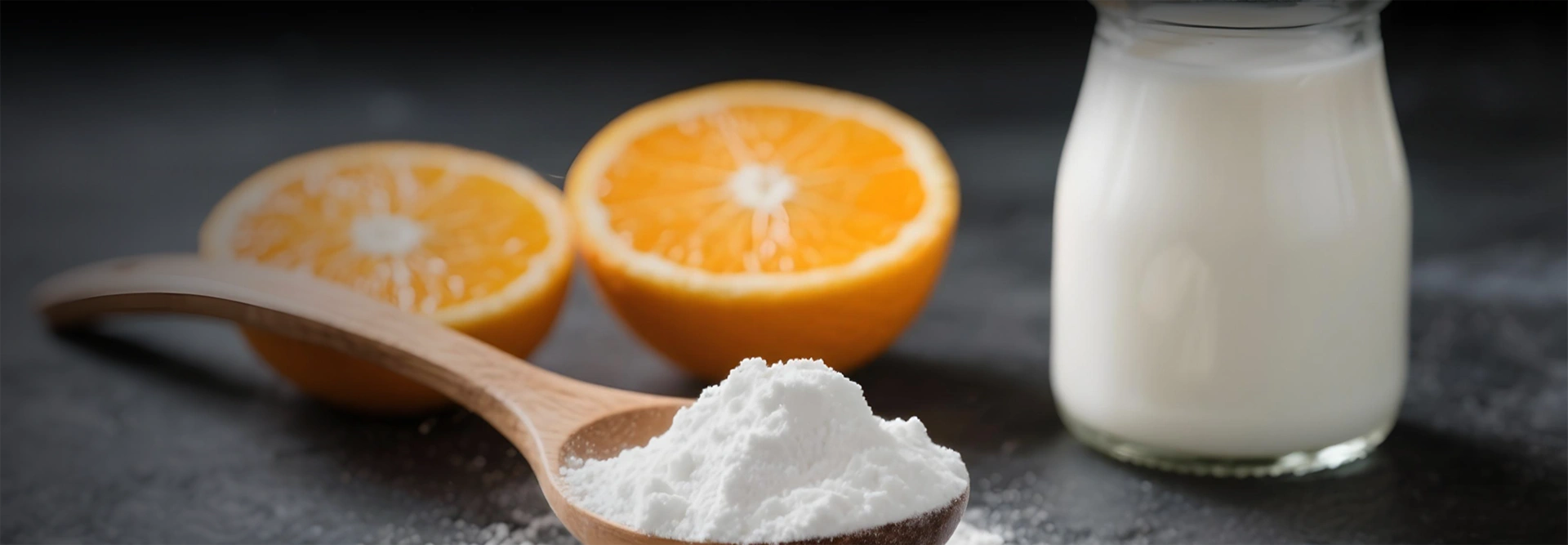
In the dynamic world of food production, xanthan gum has emerged as a versatile and indispensable ingredient, particularly in the realm of sauces. This natural polysaccharide, produced through the fermentation of sugars by the bacterium Xanthomonas campestris, offers a multitude of benefits that enhance the quality, texture, and flavor of various sauces.
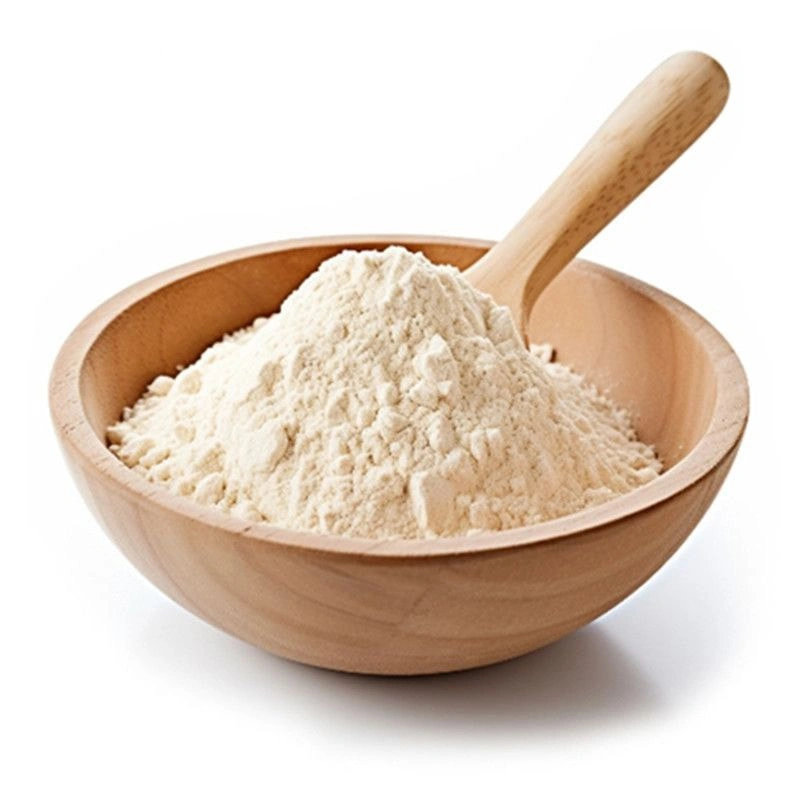
Why Xanthan Gum?
● Superior Thickening Power
One of the most significant advantages of xanthan gum in sauces is its exceptional thickening ability. Unlike traditional thickeners such as flour or corn starch, xanthan gum works effectively in both hot and cold applications. A small amount can achieve the desired consistency. For example, typically just 1/8 to 1/4 teaspoon per cup of liquid can create the perfect thickness. This means that sauce manufacturers can use less of the thickening agent while still achieving excellent results, reducing costs and maintaining a cleaner ingredient label.
● Temperature Stability
Xanthan gum maintains its thickening properties across a wide temperature range. Whether it’s a hot gravy served straight from the stove or a cold salad dressing chilled in the refrigerator, xanthan gum ensures that the sauce retains its consistency. This stability is crucial for both consumer satisfaction and the shelf - life of the product. For instance, a hot meat sauce can be heated and reheated without breaking down, and a cold vinaigrette won“t become too thin or separate when stored in the fridge.
● Gluten - Free Solution
With the increasing demand for gluten - free products, xanthan gum provides an ideal alternative to wheat flour - based thickeners. It allows those with gluten sensitivities or those following a gluten - free diet to enjoy a wide variety of sauces. By using xanthan gum, sauce producers can expand their market reach and meet the needs of a growing segment of health - conscious consumers.
● Preventing Separation
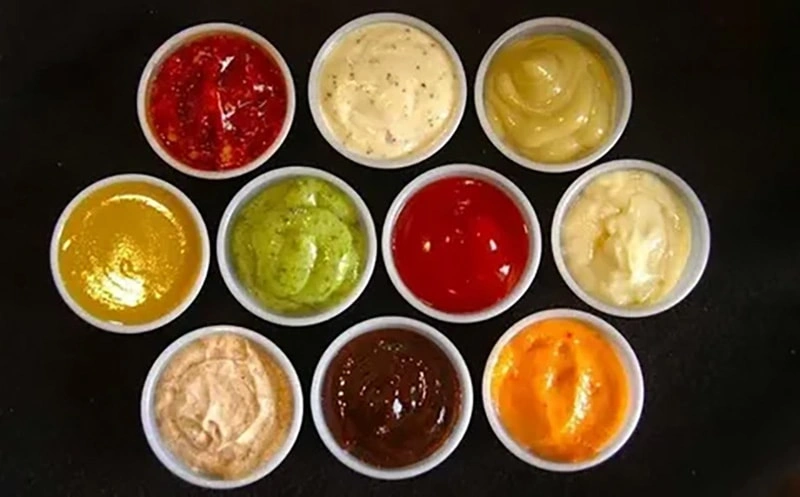
Separation is a common problem in many sauces, especially those containing oil and water emulsions. Xanthan gum acts as an effective emulsifier and stabilizer, preventing the sauce from separating into its components. In salad dressings, for example, it keeps the oil and vinegar well - blended, ensuring a homogeneous and visually appealing product. This not only improves the appearance but also enhances the overall sensory experience for the consumer.
● Impact on Sauce Flavor and Nutrition
In addition to its functional properties, xanthan gum can also have a positive impact on the flavor of sauces. In a study on braised meat sauce, adding xanthan gum was found to enhance the umami and sweetness while masking some bitterness. It also increased the content of free amino acids, making the sauce more nutritious.
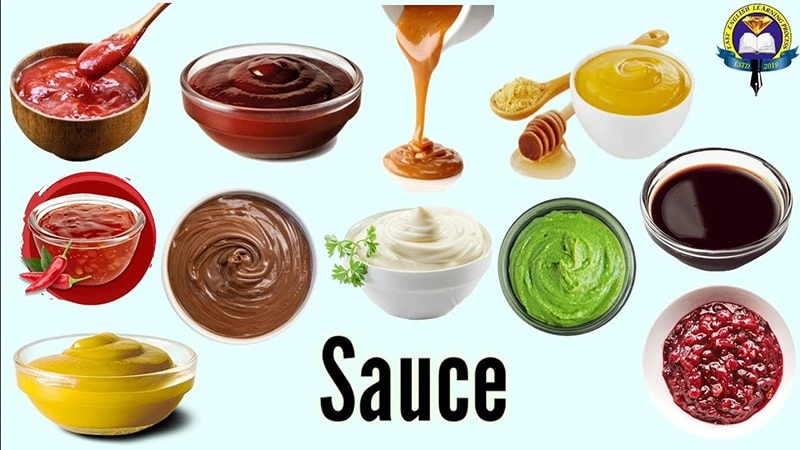
Practical Applications and Case Studies
● Salad Dressings
In salad dressings, xanthan gum is often used in combination with other thickeners like guar gum or modified starches. A typical formulation might include 0.1-0.5% xanthan gum, depending on the desired viscosity and texture. This combination ensures a stable emulsion and a smooth, pourable consistency, even when the dressing is stored at room temperature.
● Barbecue Sauces
Barbecue sauces, known for their complex flavors and thick, rich textures, can benefit significantly from xanthan gum. A common formulation might use 0.2-0.4% xanthan gum to achieve the desired viscosity and prevent the separation of spices and other ingredients. This not only enhances the sauce's texture but also improves its stability during storage and transportation.
● Tomato-Based Sauces:
Tomato-based sauces, such as pasta sauces and ketchup, often face challenges related to settling and separation. Xanthan gum, used at levels of 0.1-0.3%, can effectively stabilize these products, keeping the tomato pulp and other ingredients uniformly distributed. This results in a more visually appealing and consistent product, which is crucial for consumer satisfaction.
In conclusion, xanthan gum is a powerful tool in the sauce - making industry. Its unique properties make it a valuable ingredient for improving the quality, stability, and flavor of sauces, meeting the diverse needs of consumers and producers alike. As the food industry continues to evolve, xanthan gum is likely to play an even more prominent role in sauce applications.
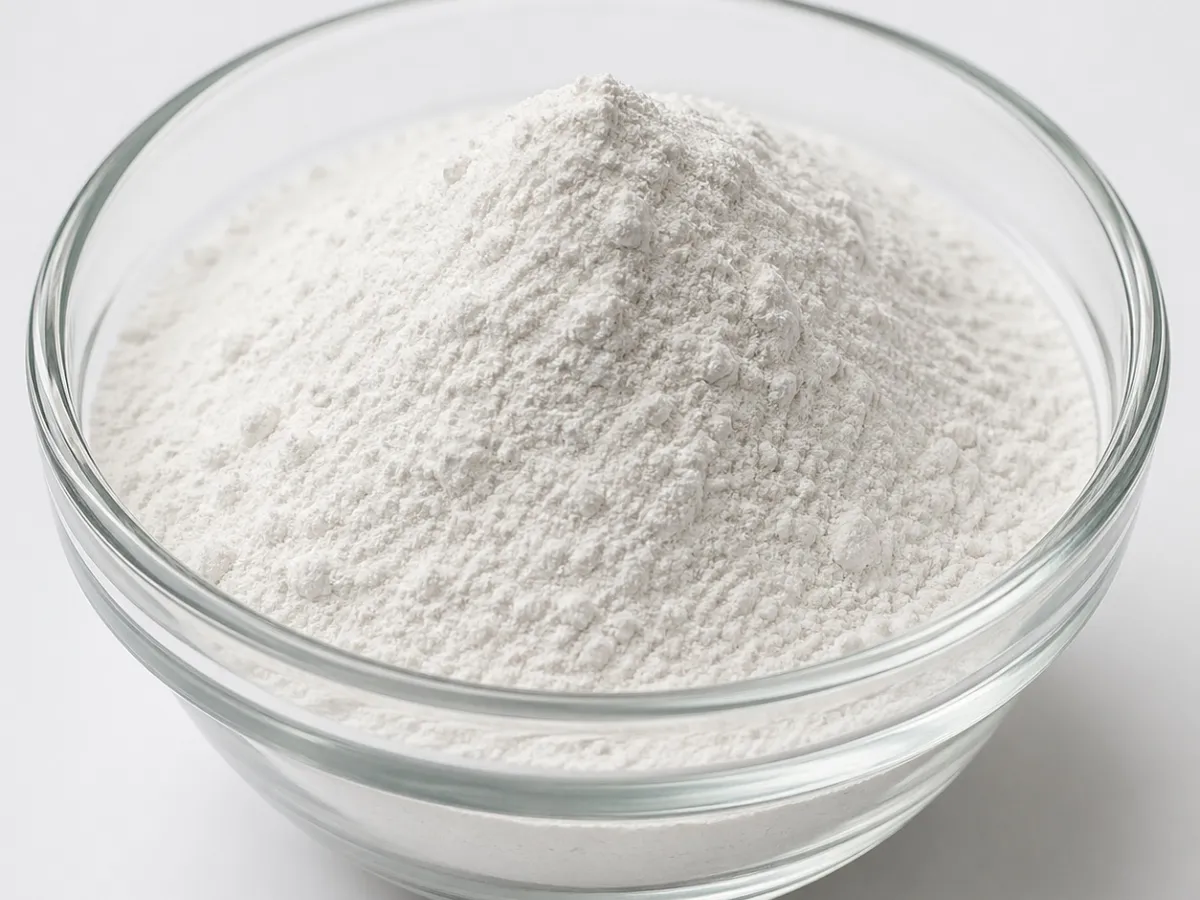
In the international food and dietary supplement industries, sodium alginate and carrageenan are two widely used seaweed-derived hydrocolloids. Despite their shared origin, the und

In oil and gas drilling operations, the prosperity of a drilling process heavily depends on the rheological properties and filtration behavior of drilling fluids . Uncontrolled flu
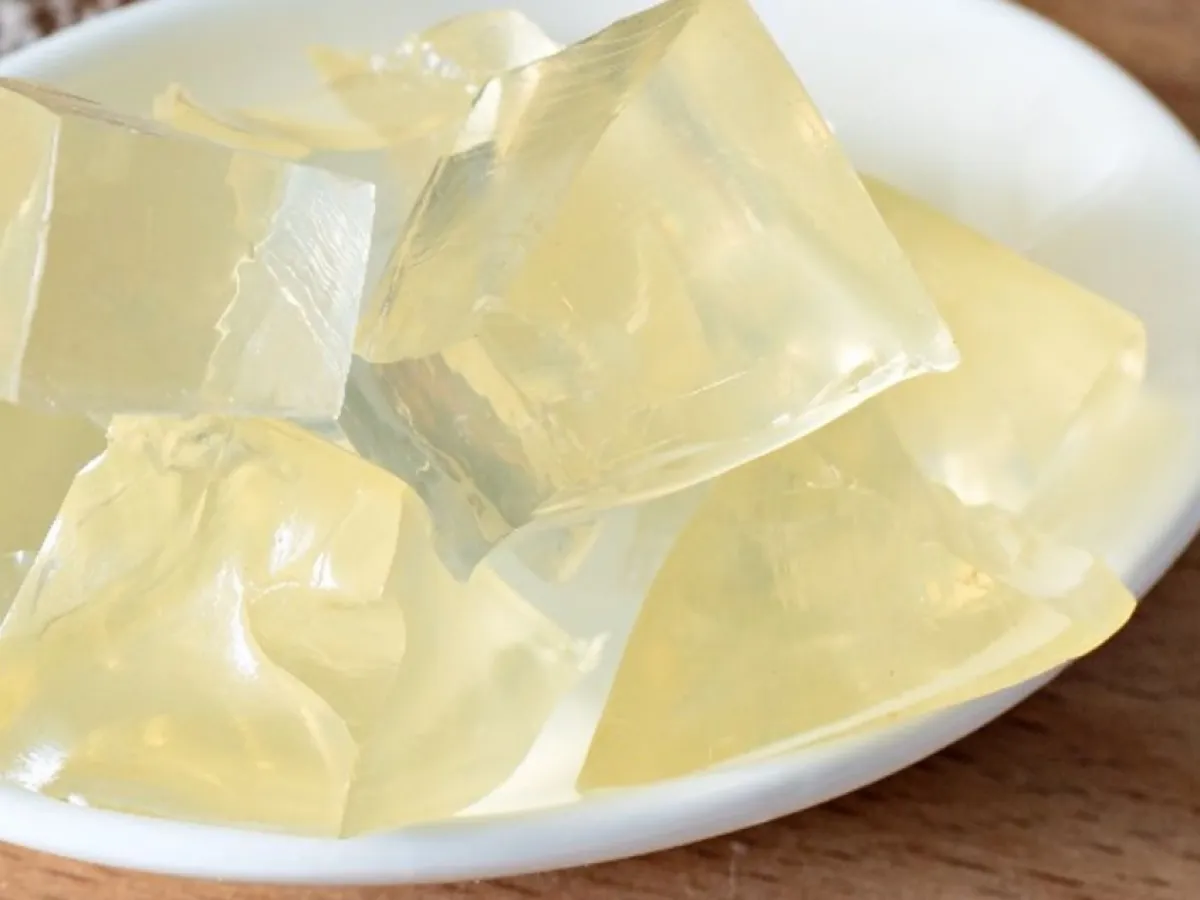
The first step in making gelatin gummies is to allow the gelatin to fully hydrate. Gelatin does not dissolve in cold water, but it can absorb water and swell in cold water. This pr
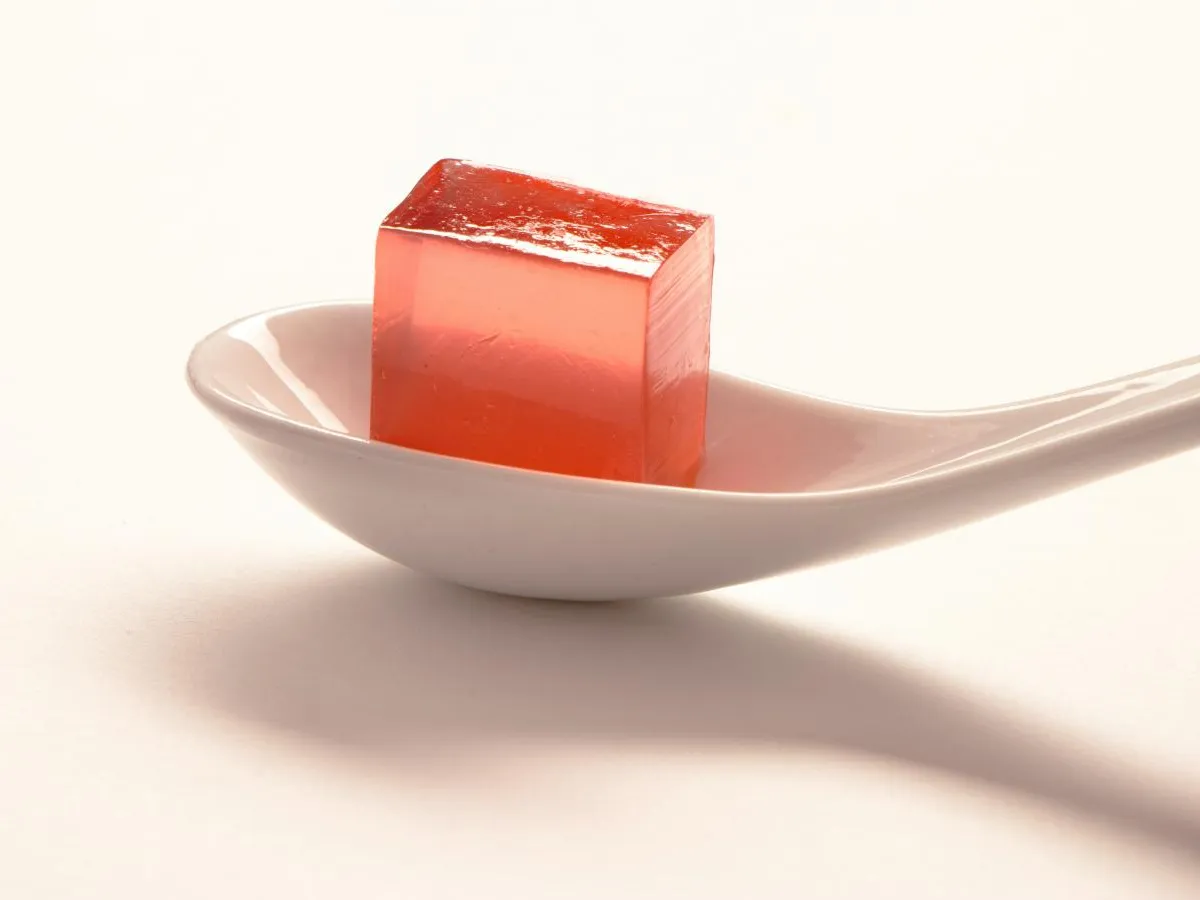
The key difference? Gelatin is a protein from animal collagen; agar is a carbohydrate from red algae.This fundamental distinction drives every other difference between them — and d

In the papermaking industry, modified starch is one of the core additives. Oxidized starch, cationic starch, and esterified starch are mainly used for surface sizing, internal sizi
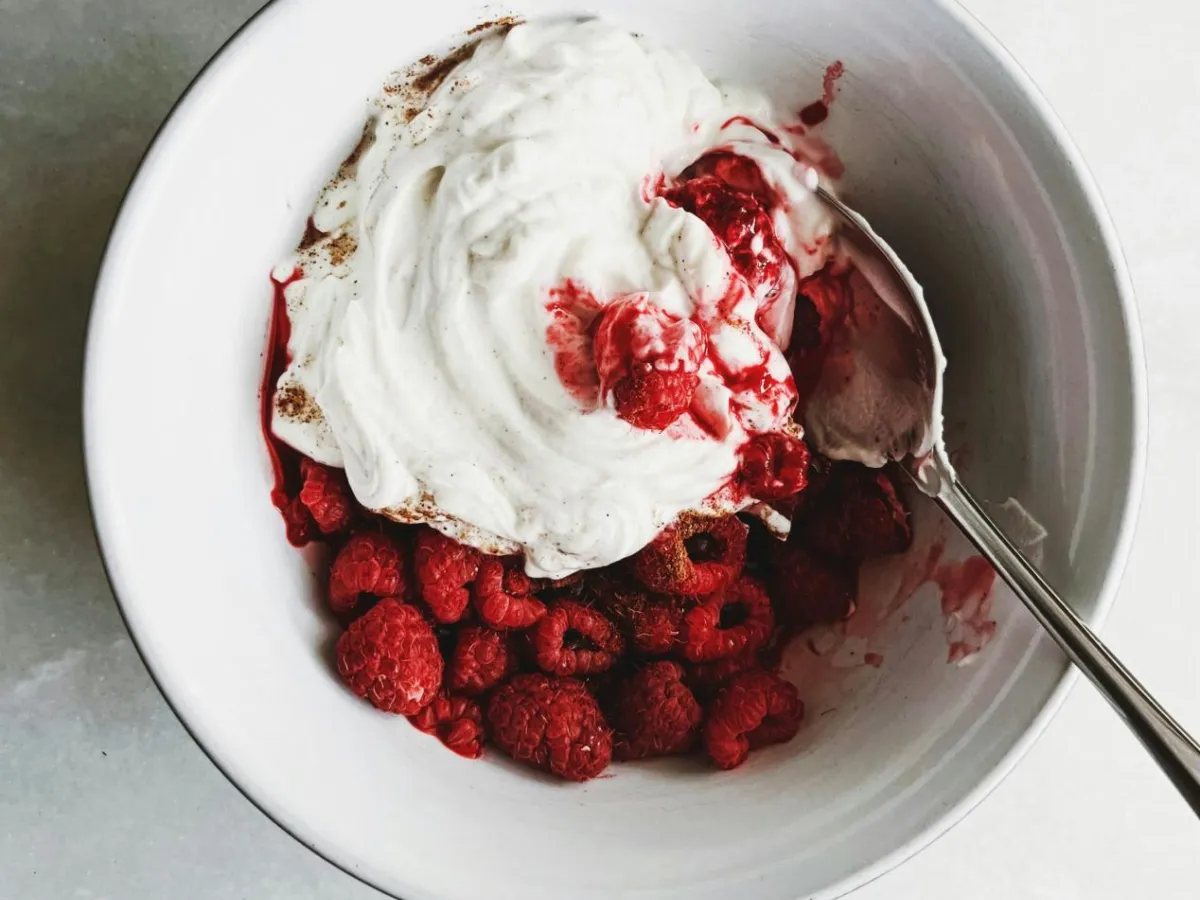
The adoption of pectin in yogurt is not just anecdotal. According to market data, more than half of all new spoonable yogurt launches now contain pectin. This widespread acceptance
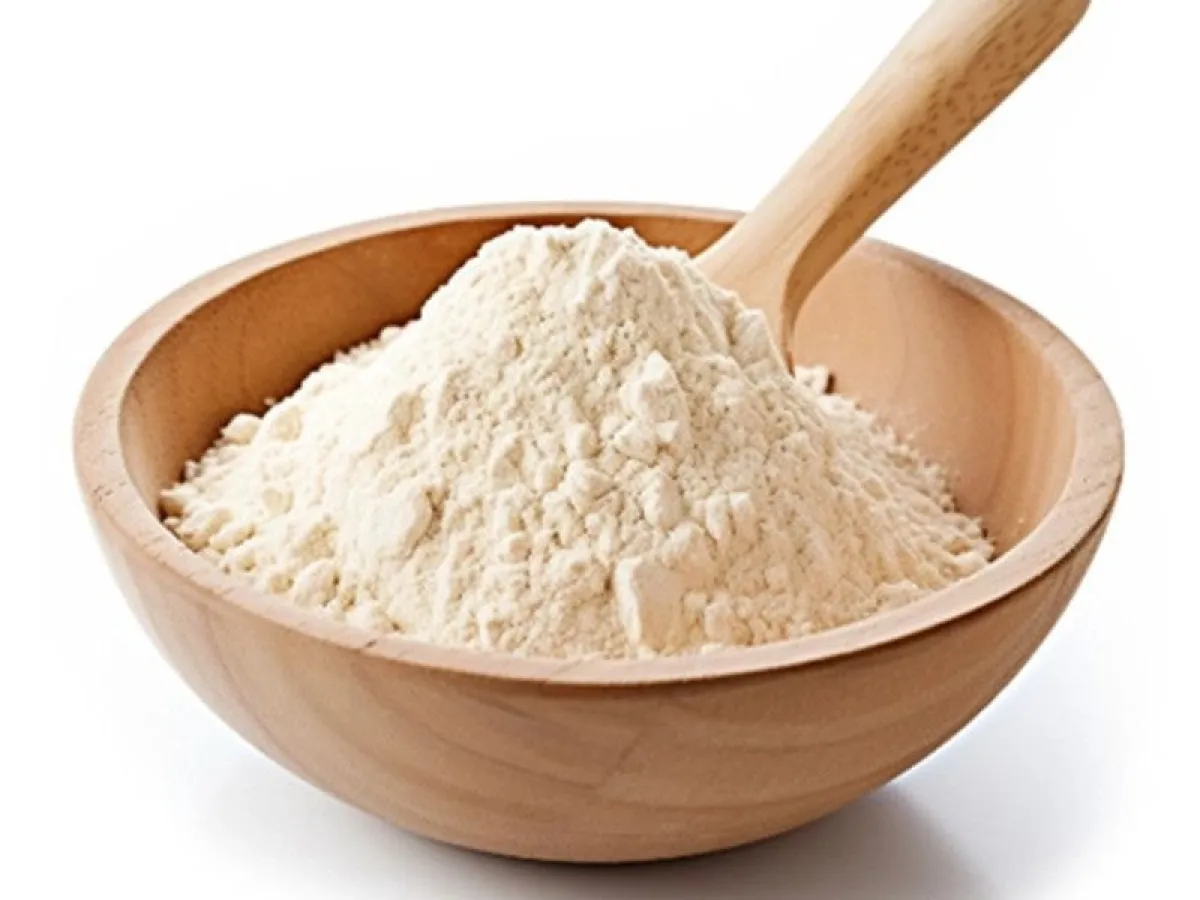
High concentrations of protein ingredients inherently carry a heavy, powdery mouthfeel and astringent notes. The key application detail of gelatin lies in its thermally reversible
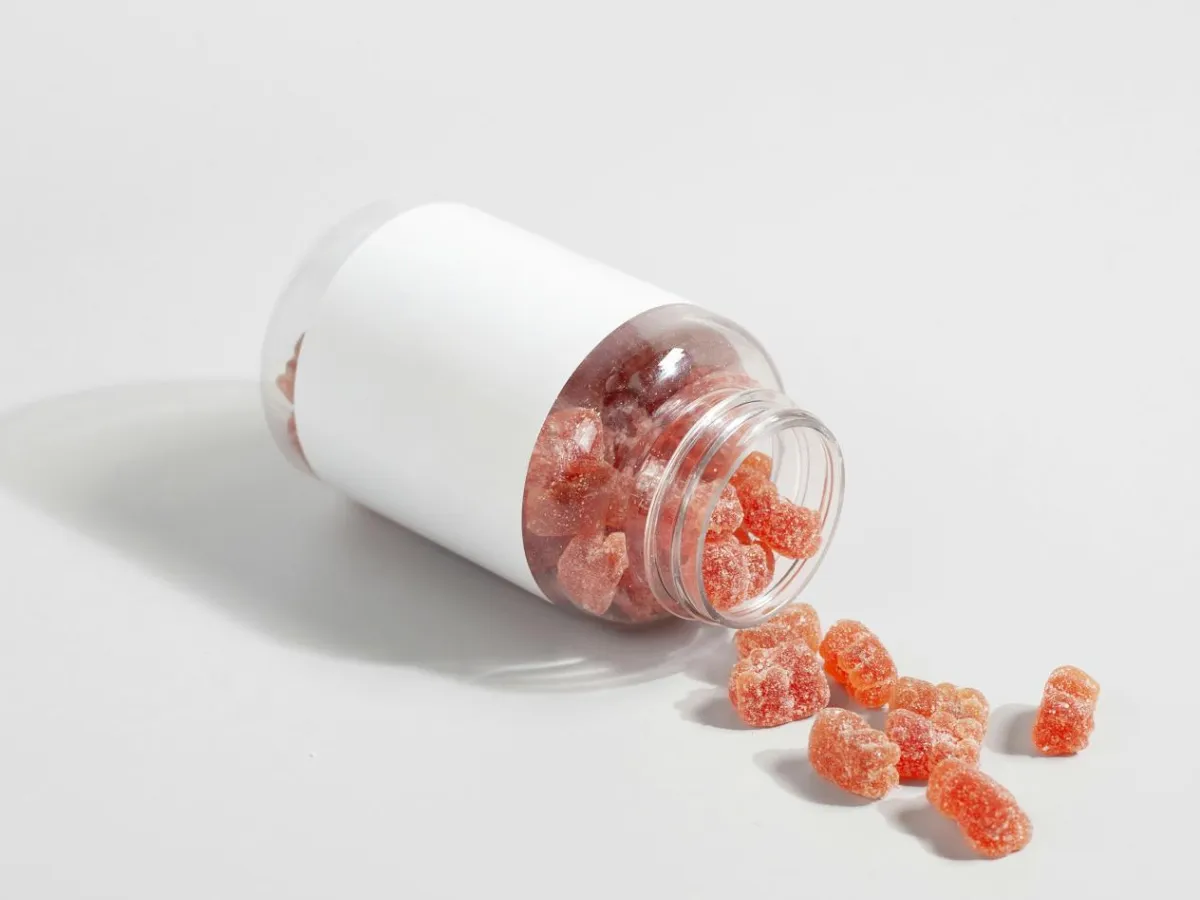
Today, vegan gummies are one of the fastest-growing segments in confectionery. And at the center of this shift stands pectin – a plant-derived hydrocolloid that is proving to be mo
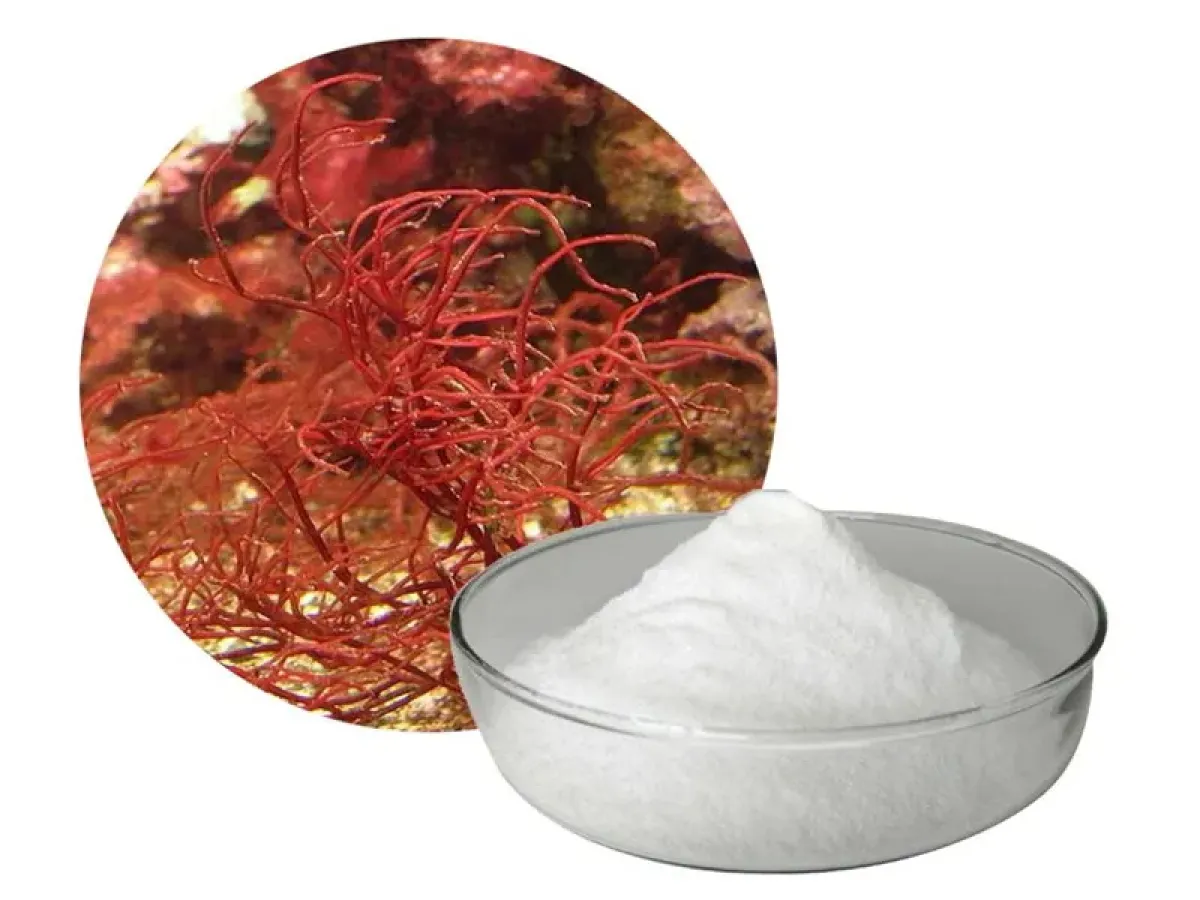
From a physicochemical perspective, carrageenan possesses unique solubility, dissolving in hot water at around 80°C to form a viscous, transparent solution, but insoluble in cold w

The primary role of CMC in toothpaste is to provide the desired texture, consistency, and stability. Specifically, it performs the following critical functions: