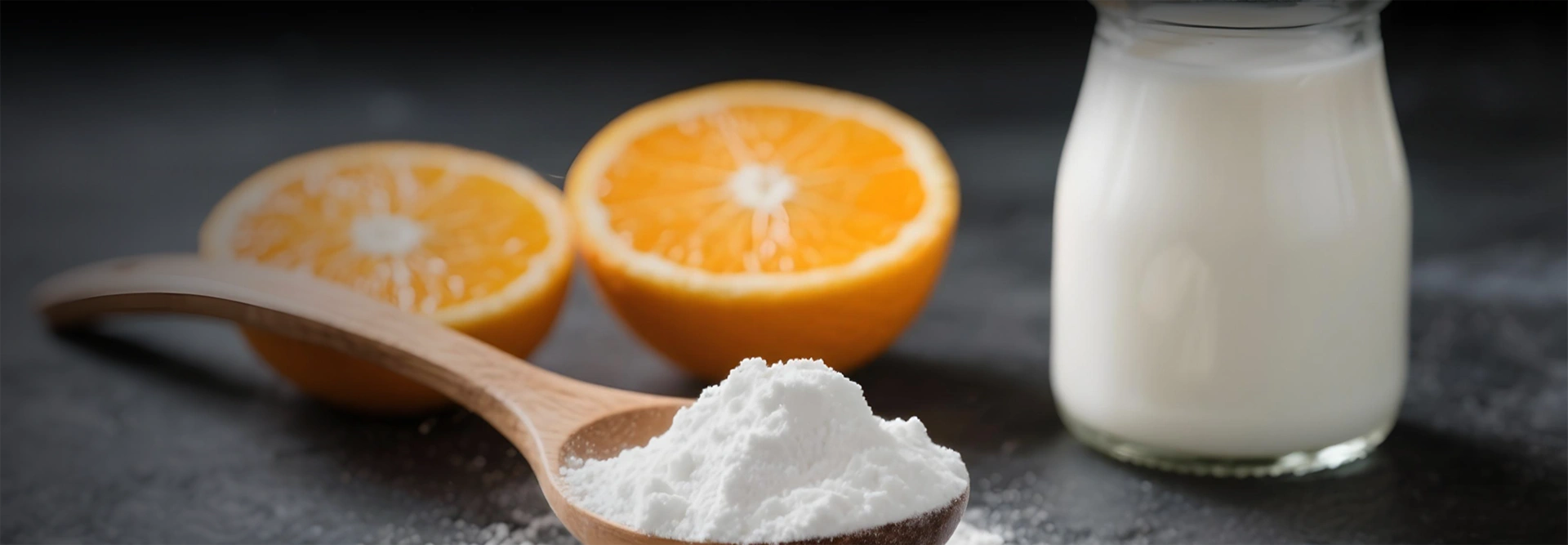
Gelatin, as a natural polymer compound derived from animal collagen, plays a vital role in the yogurt industry. It is not only a legal food additive but also a source of protein with nutritional value. In the yogurt production process, gelatin is mainly used as a stabilizer, thickener, and gelling agent, playing an irreplaceable role in enhancing yogurt quality.
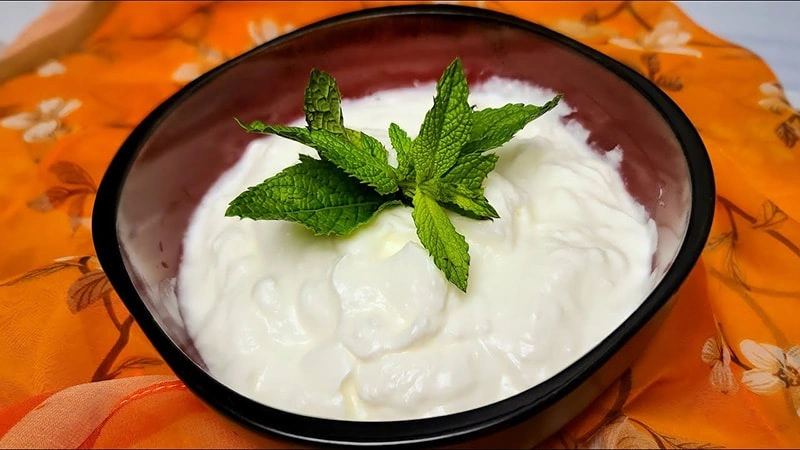
I. Improving the Texture Properties of Yogurt
Gelatin has the most direct and significant impact on the texture of yogurt. Studies have shown that gelatin can penetrate the spaces between casein micelles, forming a finer and more stable three-dimensional network structure through intermolecular interactions, thereby altering the microstructure of yogurt. This structural optimization is directly reflected in the macroscopic quality of the yogurt.
Specifically, increasing the gel strength (bloom value) and the addition amount of gelatin significantly increases the viscosity of the yogurt, noticeably reduces whey separation, and decreases susceptibility to syneresis. This means that when consumers open a yogurt cup, they will not see a layer of pale yellow liquid (whey) on the surface; the yogurt texture becomes more uniform and delicate. At the same time, gelatin can impart an appropriate "body" to the yogurt—neither as thin as water nor too solid, losing its melt-in-the-mouth characteristic.
For different types of yogurt, the application of gelatin varies. In stirred yogurt, the addition of gelatin can effectively prevent whey separation during transportation and sale, maintaining product uniformity. In set yogurt (such as traditional old-fashioned yogurt), gelatin helps form a more stable and complete curd, allowing the product to retain its unique "block" shape.
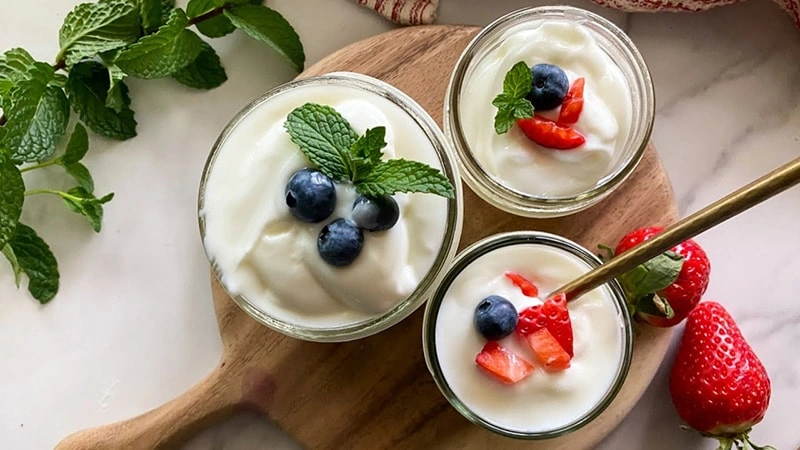
II. Enhancing the Stability of Yogurt
Yogurt is a thermodynamically unstable system, prone to whey separation and texture stratification during storage and transportation. By virtue of its strong water-holding capacity, gelatin can effectively "lock in" moisture and significantly enhance the stability of yogurt.
Research data shows that when the gelatin addition reaches 0.5% or more, it can increase the water-holding capacity of yogurt to nearly 100%. This means that almost all the water in the yogurt is fixed within the protein network, greatly inhibiting whey separation. This characteristic is crucial for extending the shelf life of yogurt and maintaining a good appearance throughout the product's shelf life.
Furthermore, the stability of gelatin is also reflected in its adaptability to processing conditions. Gelatin can maintain functional stability during processing steps such as homogenization and sterilization, working synergistically with other ingredients to maintain the stability of the yogurt system.
III. Usage Formulations and Precautions
Although gelatin is highly effective, "more is not always better." Excessive addition of gelatin can cause the yogurt to develop an unpleasant "rubbery" sensation, making the texture hard and astringent, deviating from the smooth and creamy flavor that yogurt should have.
Scientific research provides guidance for the rational use of gelatin. Considering both quality and cost factors, for stirred yogurt, using gelatin with a bloom value of 180-200, at an addition level of 0.3%-0.4%, achieves the best balance of quality and economic benefit. In actual production, gelatin is often used in combination with other hydrocolloids (such as pectin, agar, etc.). Through synergistic effects among the components, it achieves better stabilization while maintaining the excellent mouthfeel of the yogurt.
IV. Nutritional Value
Gelatin plays multiple roles in yogurt, including improving texture, enhancing stability, and boosting mouthfeel. Whether it is stirred yogurt, which pursues a fine and smooth consistency, or set yogurt, which requires a firm shape, gelatin serves as a key functional ingredient, delivering a superior taste experience for consumers.
In the international food and dietary supplement industries, sodium alginate and carrageenan are two widely used seaweed-derived hydrocolloids. Despite their shared origin, the und

In oil and gas drilling operations, the prosperity of a drilling process heavily depends on the rheological properties and filtration behavior of drilling fluids . Uncontrolled flu
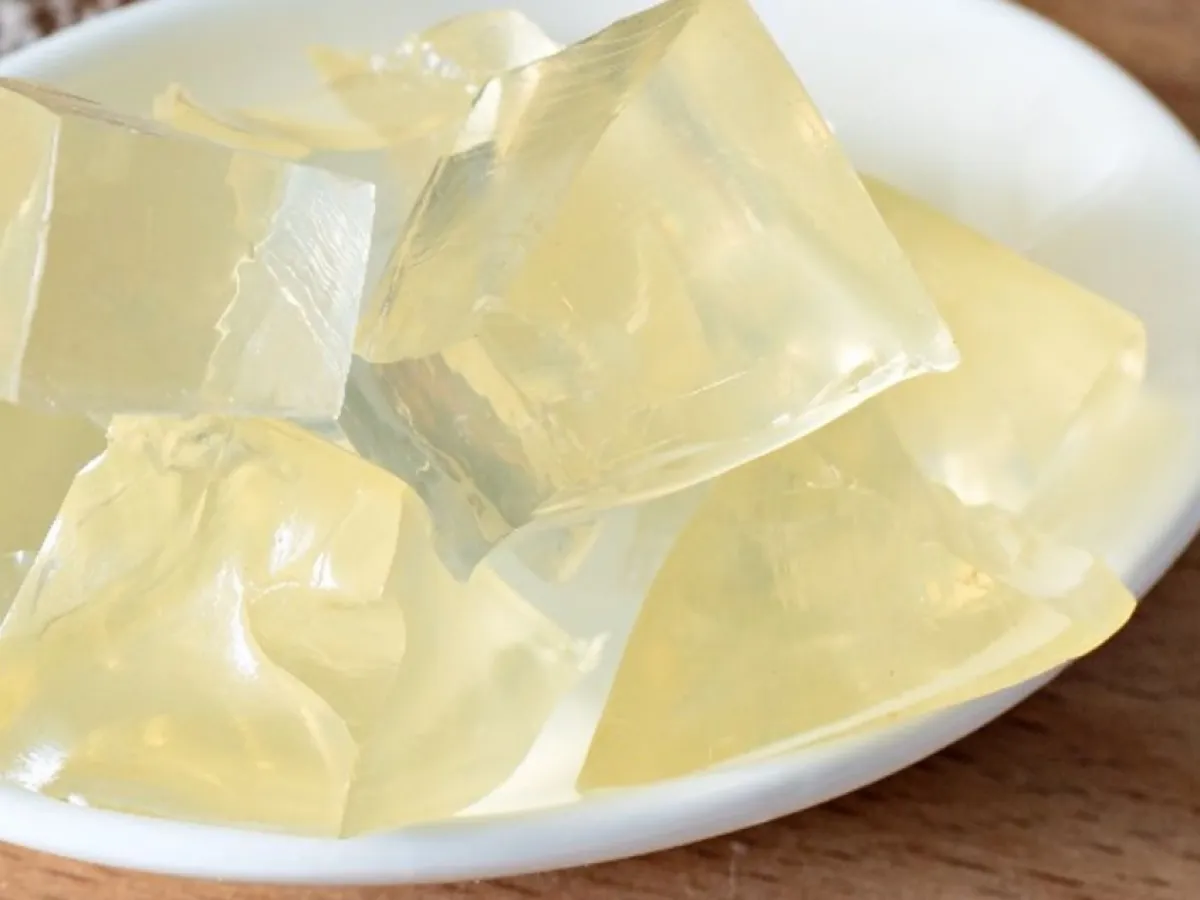
The first step in making gelatin gummies is to allow the gelatin to fully hydrate. Gelatin does not dissolve in cold water, but it can absorb water and swell in cold water. This pr
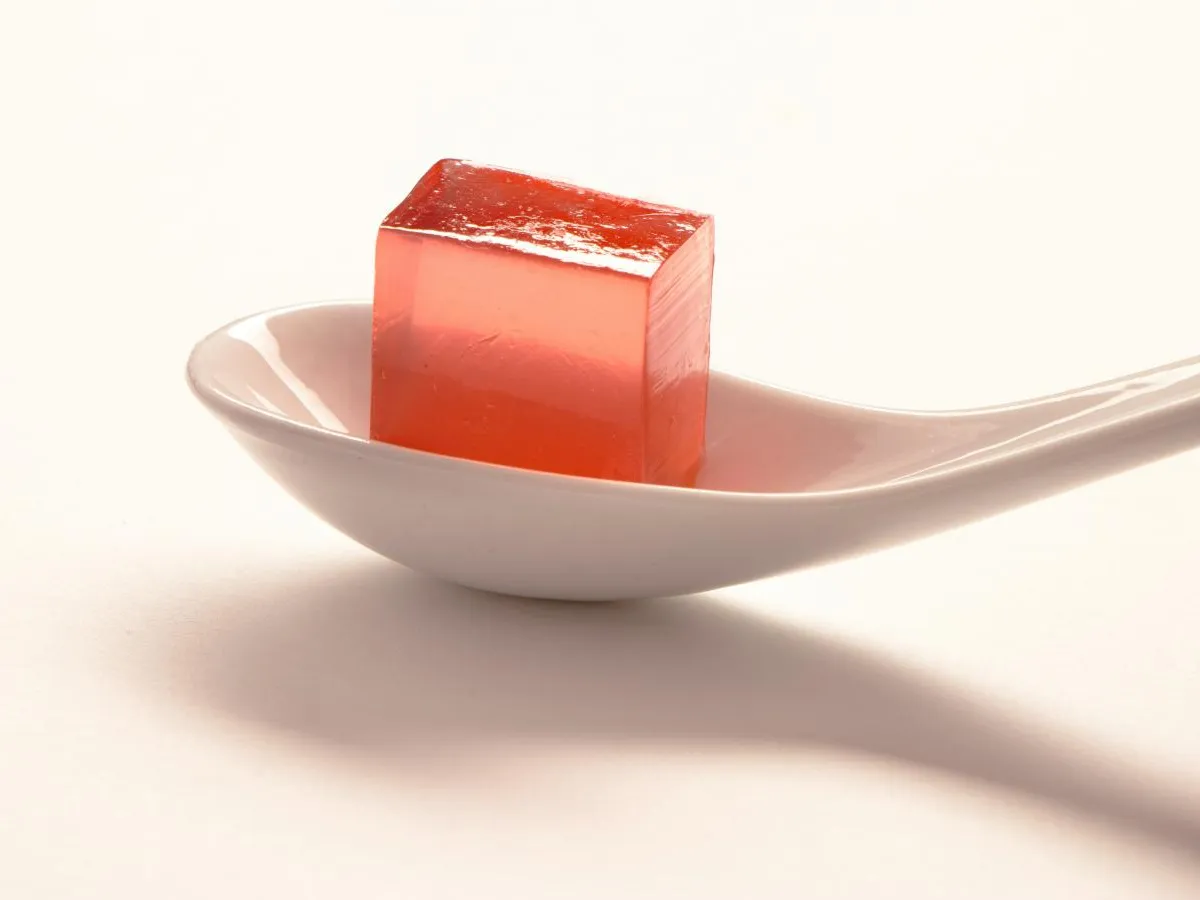
The key difference? Gelatin is a protein from animal collagen; agar is a carbohydrate from red algae.This fundamental distinction drives every other difference between them — and d

In the papermaking industry, modified starch is one of the core additives. Oxidized starch, cationic starch, and esterified starch are mainly used for surface sizing, internal sizi
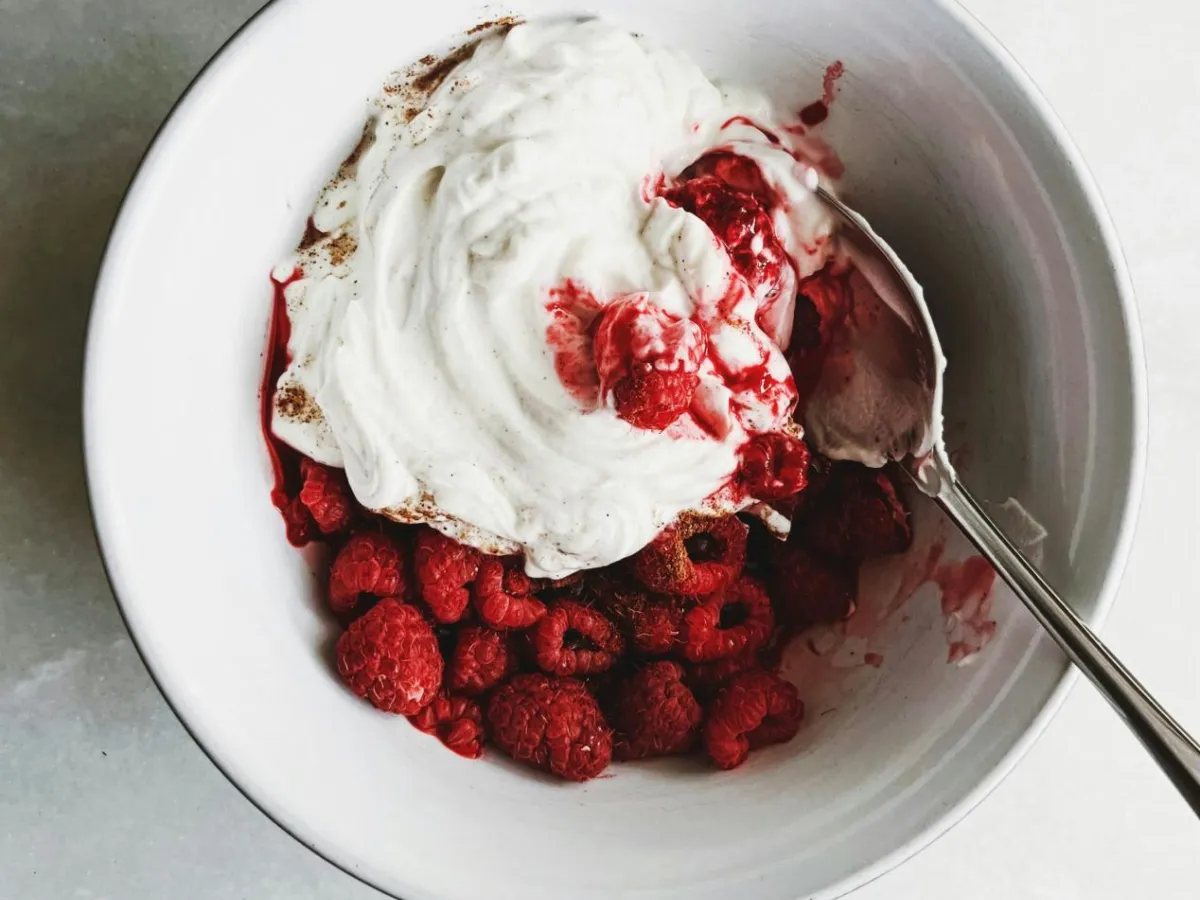
The adoption of pectin in yogurt is not just anecdotal. According to market data, more than half of all new spoonable yogurt launches now contain pectin. This widespread acceptance
High concentrations of protein ingredients inherently carry a heavy, powdery mouthfeel and astringent notes. The key application detail of gelatin lies in its thermally reversible
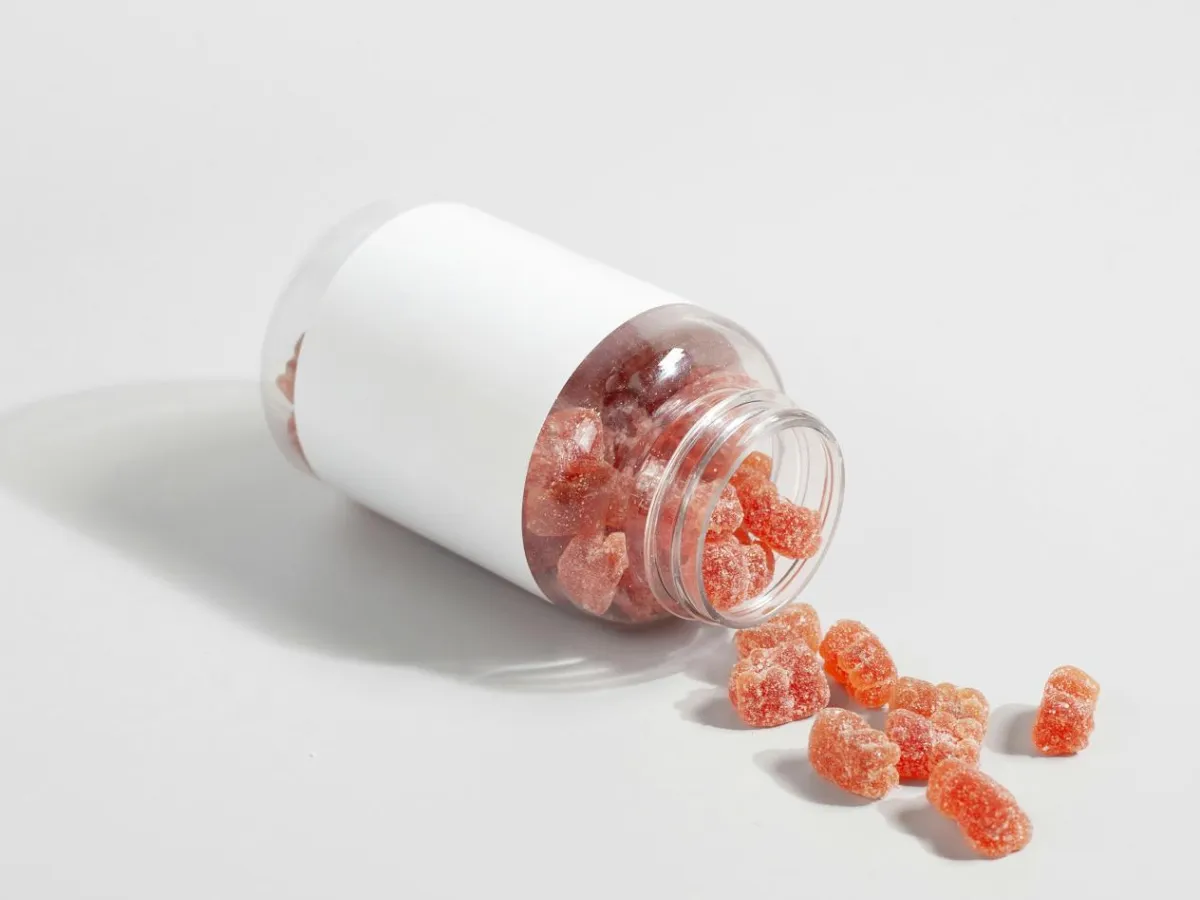
Today, vegan gummies are one of the fastest-growing segments in confectionery. And at the center of this shift stands pectin – a plant-derived hydrocolloid that is proving to be mo
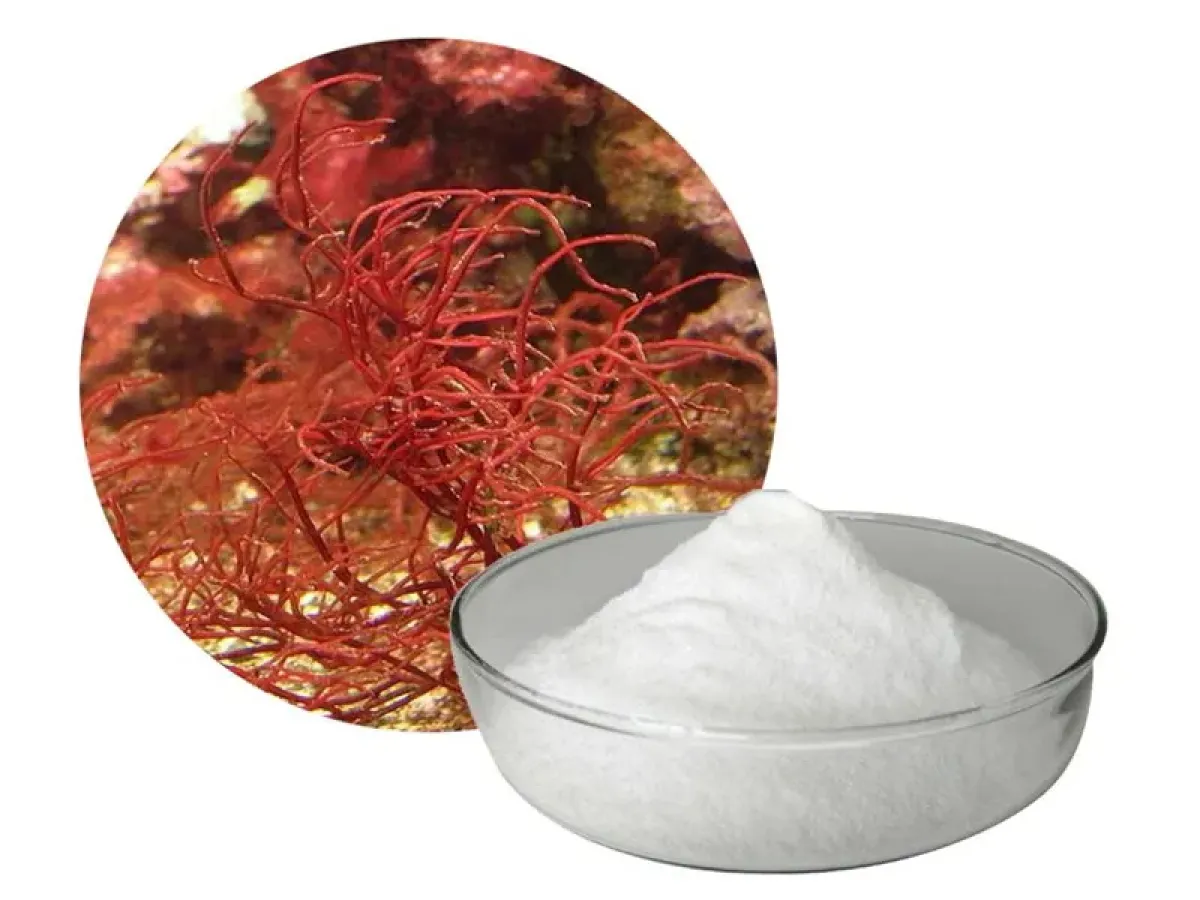
From a physicochemical perspective, carrageenan possesses unique solubility, dissolving in hot water at around 80°C to form a viscous, transparent solution, but insoluble in cold w
The primary role of CMC in toothpaste is to provide the desired texture, consistency, and stability. Specifically, it performs the following critical functions: