As a traditional fermented condiment, fish sauce faces challenges such as sedimentation, simplistic flavor profiles, and limited application scenarios in the context of modern production and evolving consumer demands. Xanthan gum, an efficient and safe microbial polysaccharide, offers diverse solutions for improving the quality and innovative development of fish sauce due to its unique physicochemical properties. This article systematically elaborates on the application directions and value of xanthan gum in fish sauce.

1. Addressing Core Challenges: As a Stabilizer and Suspending Agent
During static storage, fish sauce often develops sediments formed by the aggregation of natural components such as proteins and polysaccharides. While this does not affect food safety, it compromises the product's visual uniformity and consumer appeal.
Mechanism of Application: When dissolved in water, xanthan gum forms a stable three-dimensional network structure, creating a robust "gel-hydration" system. This structure effectively supports and immobilizes fine suspended particles in fish sauce, significantly delaying or completely preventing sedimentation.
Application Value:
The addition of a minimal amount of xanthan gum (typically 0.05%-0.2%) can maintain the clarity and uniform consistency of fish sauce, enhancing its commercial appeal and meeting modern consumers' high standards for product appearance.
2. Optimizing User Experience: As a Thickening and Adhesion Agent
The traditionally thin consistency of fish sauce often leads to overuse during application and difficulty in evenly coating food surfaces.
Mechanism of Application: Xanthan gum exhibits efficient thickening properties and unique pseudoplasticity—it displays high viscosity at rest but rapidly decreases in viscosity under external forces such as pouring or stirring, restoring fluidity. This characteristic makes it an ideal choice for modifying the texture of fish sauce.
Application Value:
Easier Dosage Control: Properly thickened fish sauce flows more slowly, allowing consumers to control the amount used more precisely.
Enhanced Adhesion: Thickened fish sauce adheres better to foods such as salads, grilled meats, and sushi, rather than immediately running off. This ensures even flavor distribution with every bite, enhancing the dining experience.
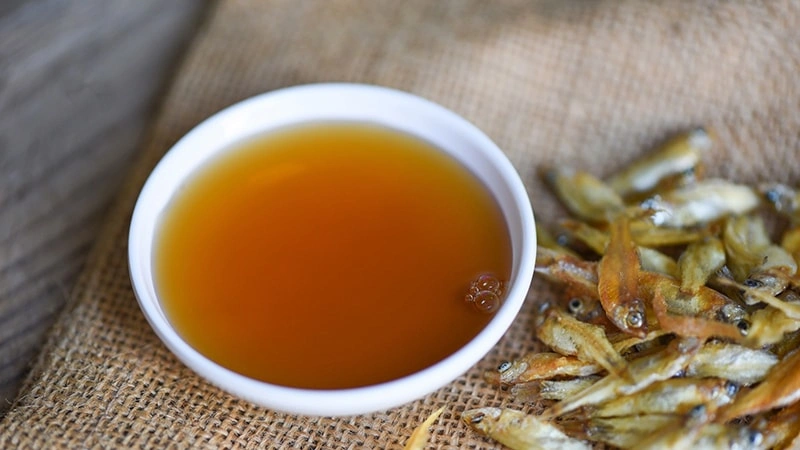
3. Expanding Innovative Boundaries: As a Flavor Carrier and Emulsifier
This represents the most promising direction for the high-end and composite application of xanthan gum in fish sauce.
Mechanism of Application: Xanthan gum possesses good water solubility, compatibility, and certain emulsifying stability.
Application Directions:
Preparation of Composite Seasoned Fish Sauce: When developing composite fish sauce varieties with flavors such as garlic, chili, or lemongrass, xanthan gum can serve as a stable carrier for flavor oil droplets and spice particles, preventing oil-water separation and solid component sedimentation. This ensures the stability of flavor and texture throughout the product's shelf life.
Creating "Sauce-Liquid Hybrid" Products: By precisely controlling the amount of xanthan gum added, fish sauce can transition from a liquid state to a sauce-liquid hybrid with a certain viscosity, similar to oyster sauce or thick soy sauce. This new product form can be directly used for dipping, spreading, or stir-frying, significantly expanding the application scenarios for fish sauce.
4. Key Application Techniques and Considerations
The addition of xanthan gum to fish sauce requires scientific processing methods to ensure optimal results:
Dispersion and Dissolution: Xanthan gum is highly hydrophilic and can easily form "fisheye" lumps if added directly. The best practice is to use high-shear mixing: while stirring at high speed, slowly and evenly sprinkle the xanthan gum powder into the fish sauce, utilizing the liquid's turbulence to fully disperse and dissolve it.
Dosage Control: The application of xanthan gum in fish sauce should follow the principle of "minimal amount for effectiveness." Typically, a 0.1% addition can produce significant stabilizing and thickening effects. Excessive amounts may make the product overly viscous, affecting taste and flavor release.
Compatibility Testing: The pH, salinity, and other components in fish sauce may interact with xanthan gum. Before large-scale production, small-scale trials and shelf-life tests must be conducted to determine the optimal dosage and processing parameters.
In the international food and dietary supplement industries, sodium alginate and carrageenan are two widely used seaweed-derived hydrocolloids. Despite their shared origin, the und

In oil and gas drilling operations, the prosperity of a drilling process heavily depends on the rheological properties and filtration behavior of drilling fluids . Uncontrolled flu
The first step in making gelatin gummies is to allow the gelatin to fully hydrate. Gelatin does not dissolve in cold water, but it can absorb water and swell in cold water. This pr
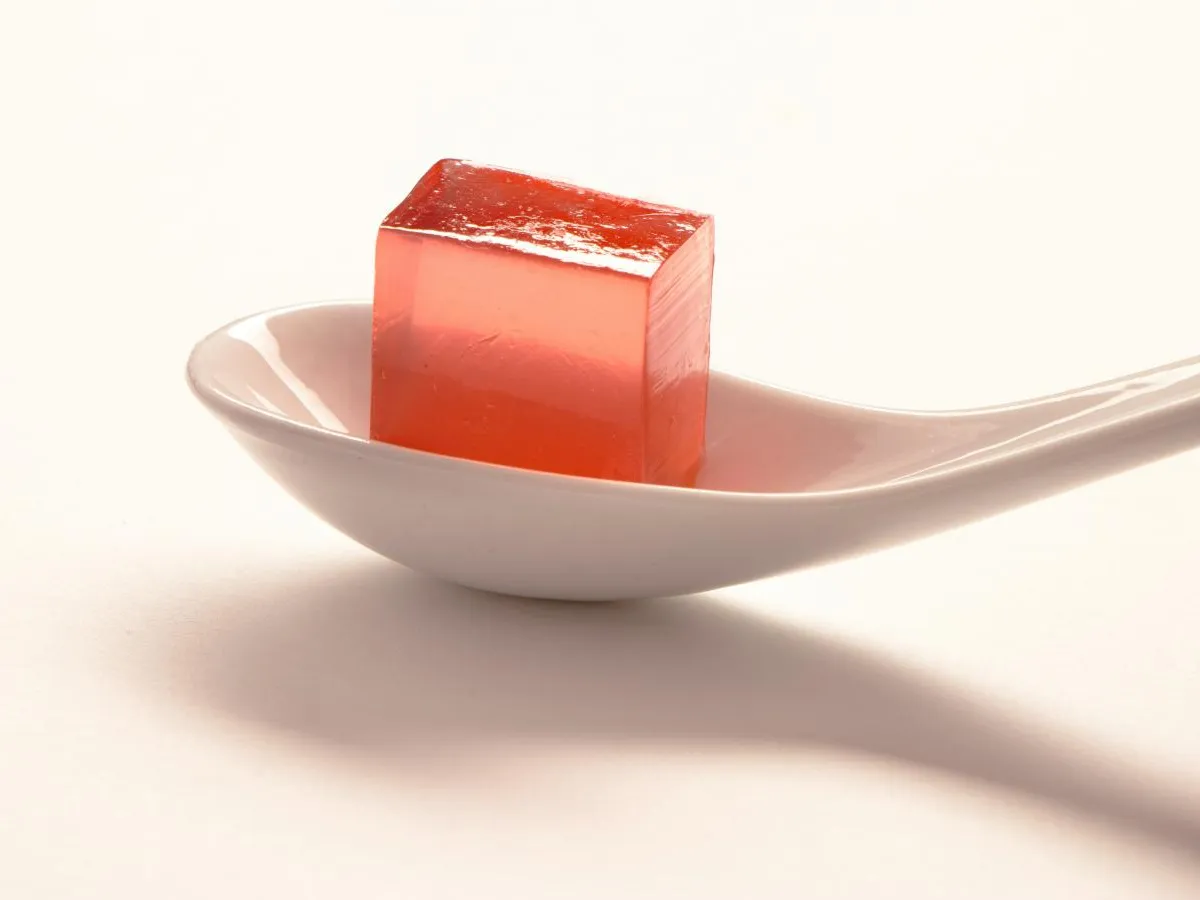
The key difference? Gelatin is a protein from animal collagen; agar is a carbohydrate from red algae.This fundamental distinction drives every other difference between them — and d

In the papermaking industry, modified starch is one of the core additives. Oxidized starch, cationic starch, and esterified starch are mainly used for surface sizing, internal sizi
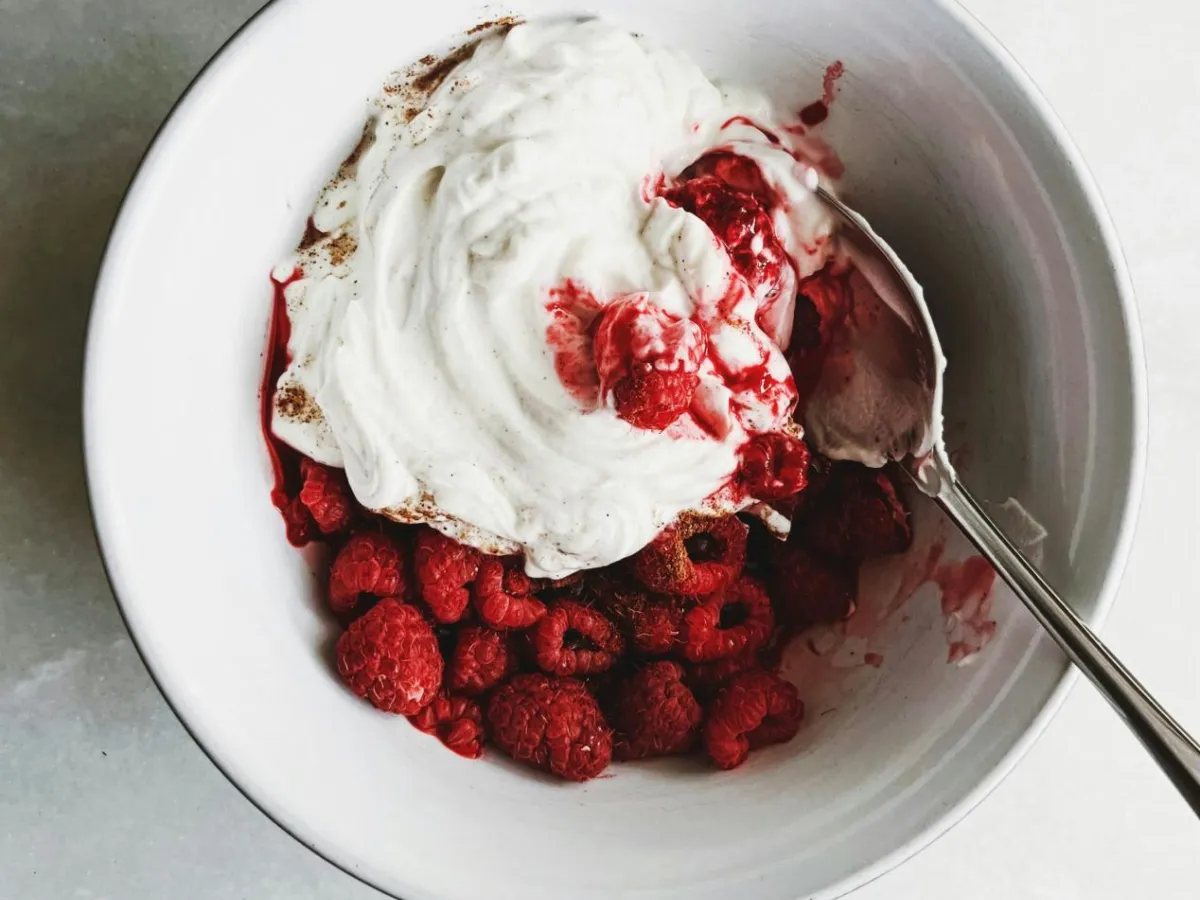
The adoption of pectin in yogurt is not just anecdotal. According to market data, more than half of all new spoonable yogurt launches now contain pectin. This widespread acceptance
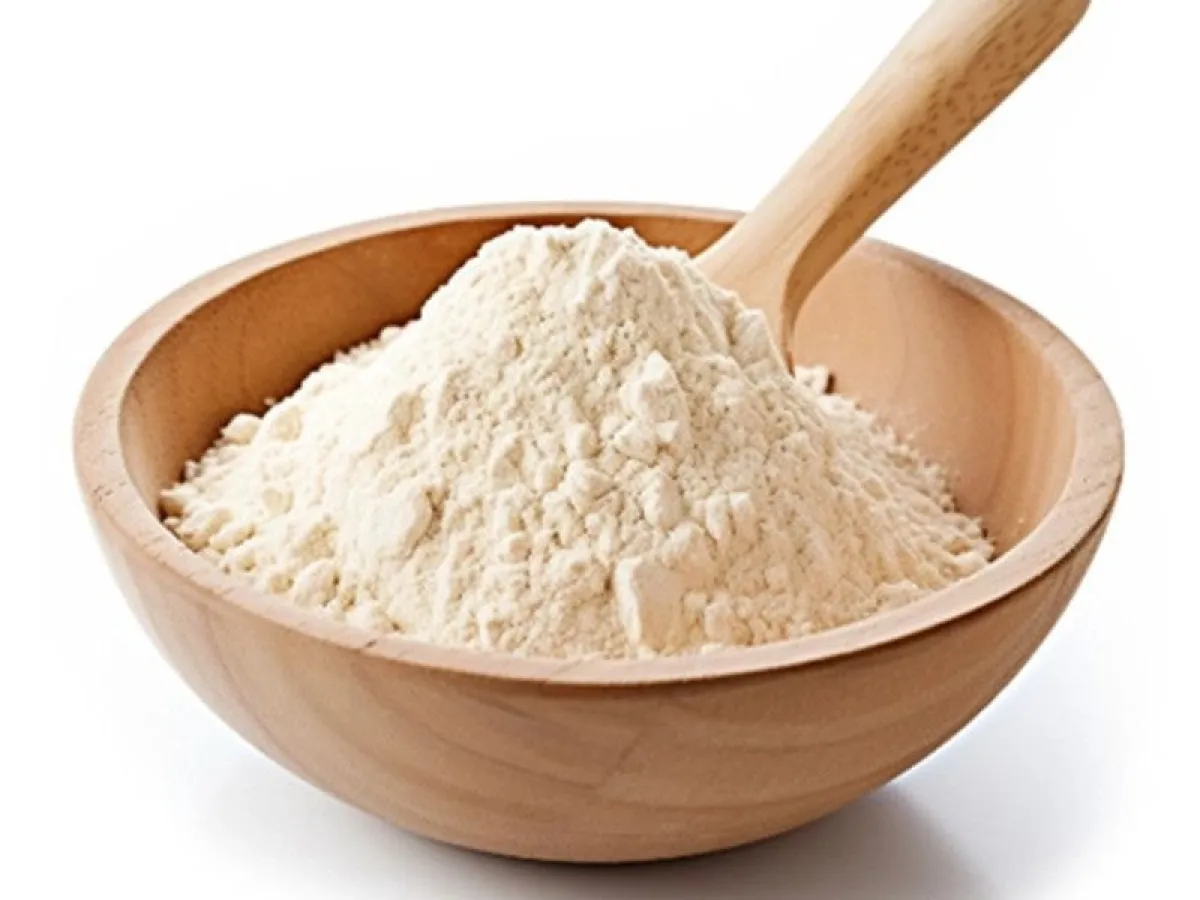
High concentrations of protein ingredients inherently carry a heavy, powdery mouthfeel and astringent notes. The key application detail of gelatin lies in its thermally reversible
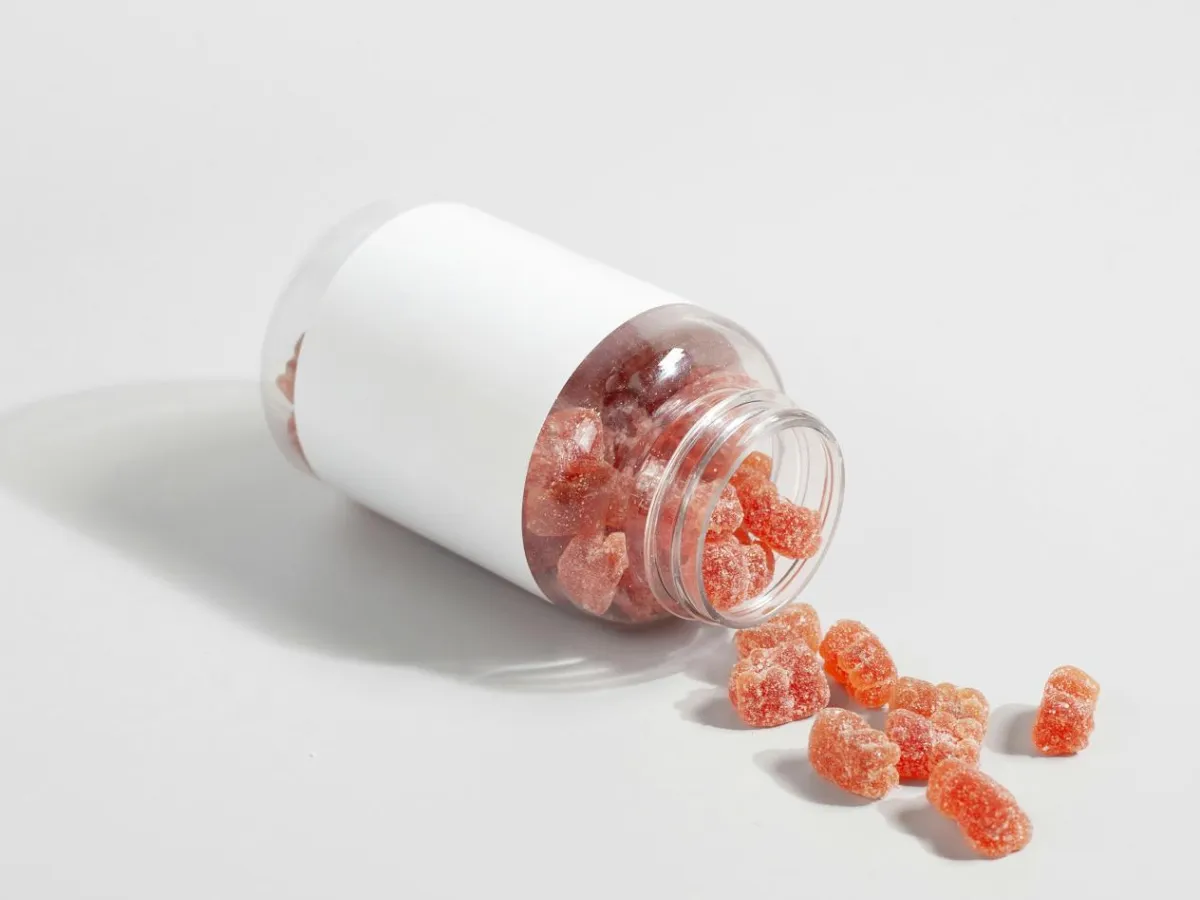
Today, vegan gummies are one of the fastest-growing segments in confectionery. And at the center of this shift stands pectin – a plant-derived hydrocolloid that is proving to be mo
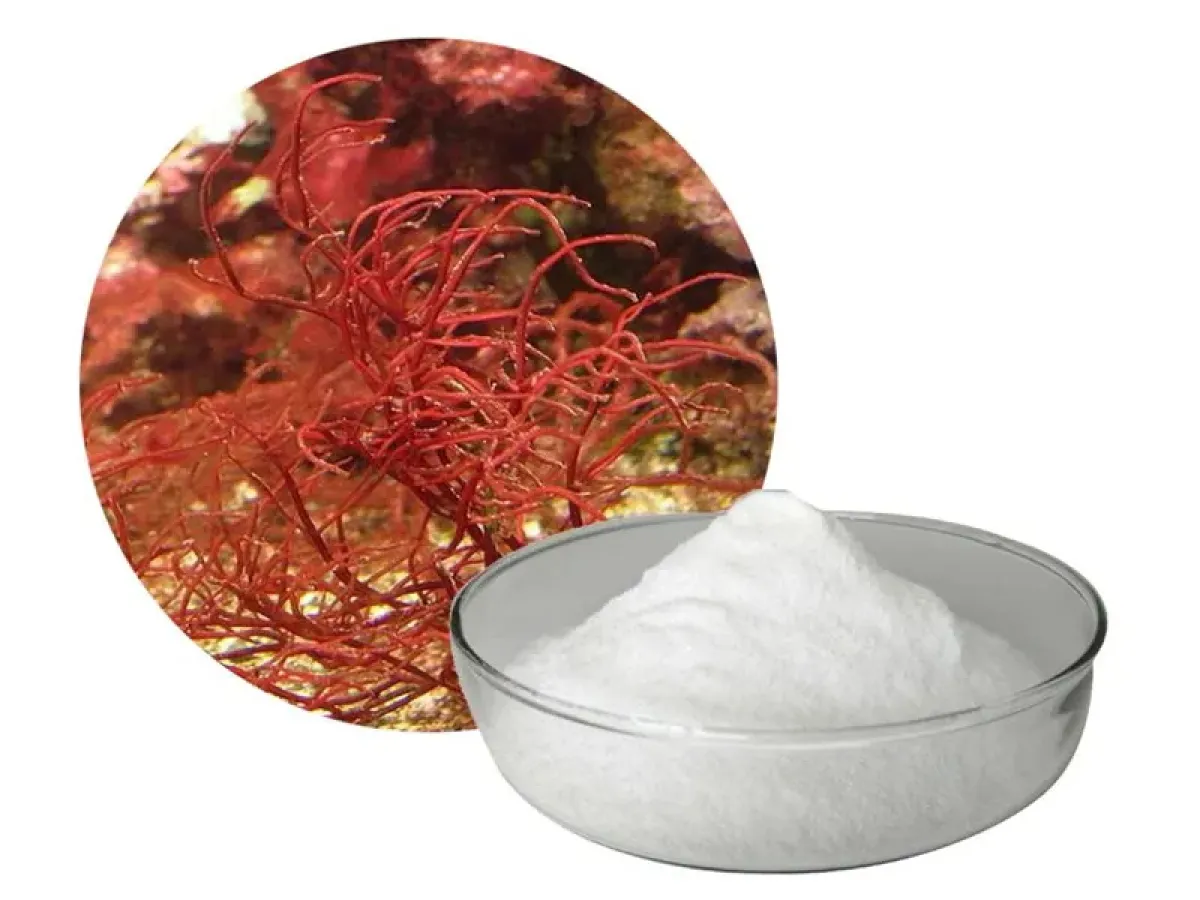
From a physicochemical perspective, carrageenan possesses unique solubility, dissolving in hot water at around 80°C to form a viscous, transparent solution, but insoluble in cold w
The primary role of CMC in toothpaste is to provide the desired texture, consistency, and stability. Specifically, it performs the following critical functions: